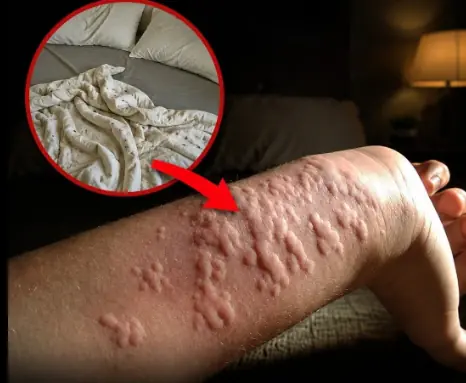
Improper sanitary pad use can create conditions where bacteria thrive, raising the risk of skin irritation and infection. While severe cases are described as uncommon, health experts point to a handful of everyday mistakes that many women make without realising the potential consequences. Here is what the evidence says about safer menstrual hygiene.
In brief
- —Change pads every 4 to 6 hours to limit bacterial growth
- —Tight clothing and poor ventilation worsen moisture buildup
- —Itching, redness or unusual discharge warrant medical attention
Changing pads every 4 to 6 hours: why timing matters
One of the most frequently cited mistakes is not changing a pad often enough. Experts generally recommend replacing a pad every 4 to 6 hours, adjusted according to flow. Beyond that window, warmth and moisture combine to create an environment where bacteria can multiply rapidly.
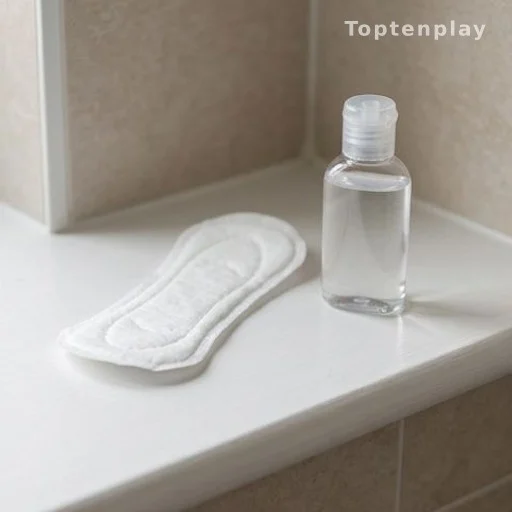
Prolonged use can lead to unpleasant odors and skin irritation before any more serious infection develops. Recognising that timing is a simple but effective line of defence is central to safer menstrual hygiene.
Suggested Posts

Trump Accounts for foster kids: 25 states in, key hurdles remain
Twenty-five governors have pledged to open Trump Accounts on behalf of eligible foster children, following an initiative announced in early June by First Lady…