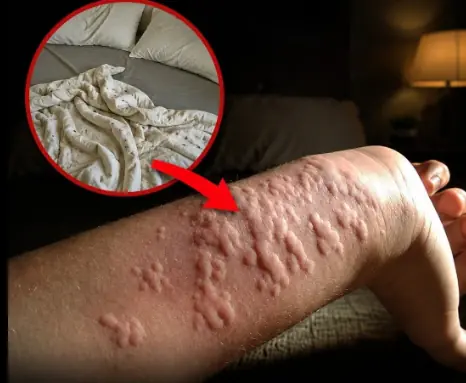
Waking up with clusters of itchy, swollen bumps is a frustrating experience that may point to a hidden problem in the bedroom. While several conditions can cause similar skin reactions, repeatedly developing welts after sleep is a reason to look more closely at your bedding and furniture. Experts stress that identifying the source is essential before choosing any treatment.
In brief
- —Bed bugs hide in mattress seams and bite at night
- —Not all sleepers show visible bite reactions
- —Professional treatment needed for large infestations
Nocturnal feeders that hide in plain sight
Bed bugs are small, reddish-brown insects that feed on human blood while people sleep. Because they are nocturnal, many people never see one until an infestation has grown significantly.

Their preferred hiding spots include mattress seams, bed frames, headboards, furniture joints, and even behind wallpaper or electrical outlets — places that are rarely disturbed during routine cleaning.
Bites typically appear as small, red, itchy bumps in clusters or straight lines on exposed areas such as the arms, shoulders, neck, or legs. However, skin reactions vary considerably: some people develop obvious welts, while others show little or no reaction at all despite being bitten regularly.
Dark spots, blood stains, shed skins: the clues left behind
Beyond bites on the skin, a bed bug infestation leaves physical traces in the bedding. Tiny dark spots on sheets or mattresses are likely insect droppings, while small blood stains can appear when a bug is crushed during sleep.

Shed insect skins and tiny pale eggs near mattress seams are additional indicators. If several people sharing the same room develop similar bites around the same time, a thorough inspection of the sleeping area is warranted.
It is worth noting that similar skin rashes can result from mosquitoes, fleas, dust mites, allergic reactions to laundry detergents, eczema, heat rash, or fungal infections — making self-diagnosis genuinely difficult without a careful look at the environment.
Why bed bugs are hard to eliminate
Bed bugs have developed a remarkable ability to survive extended periods — potentially months — without a blood meal, which makes them unusually resilient compared to many household pests. Their small size and preference for narrow, dark hiding spots allow infestations to go undetected for a long time. Because reactions to bites vary so widely between individuals, a problem can persist in a household before anyone connects the symptoms to the bedroom environment.
No disease transmission, but real health consequences
Bed bugs are not known to spread diseases through their bites, which distinguishes them from some other parasitic insects. The immediate health risk is therefore limited.
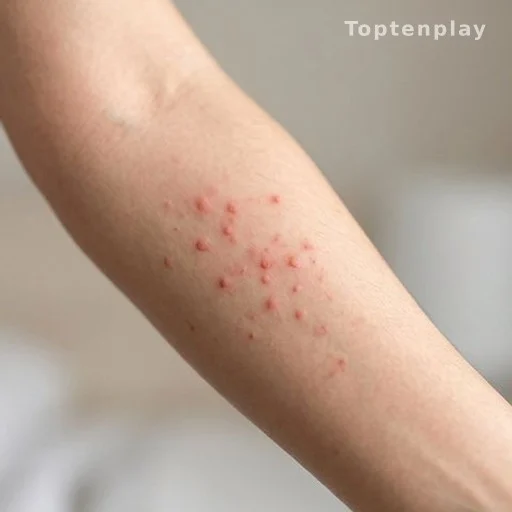
That said, the impact on daily life can be significant. Persistent itching may lead to scratching that breaks the skin, raising the risk of secondary bacterial infection. Repeated nighttime bites can also disrupt sleep and contribute to stress, anxiety, and ongoing emotional discomfort.
If skin irritation persists, worsens, becomes painful, shows signs of infection, or is accompanied by fever or difficulty breathing, prompt medical evaluation is advised. A healthcare professional or dermatologist can determine the underlying cause and recommend appropriate treatment.
From hot-water washing to professional treatment: what actually works
If bed bugs are suspected, the first step is a careful inspection of the mattress, bed frame, pillows, and nearby furniture. All bedding, blankets, and clothing should be washed in hot water — where the fabric allows — and dried on a high-heat setting.

Vacuuming mattresses, carpets, and furniture thoroughly, with particular attention to cracks and seams, is also recommended. Mattress encasements specifically designed to trap bed bugs can form part of a broader control strategy.
For larger infestations, professional pest control is generally the most effective route. Bed bugs can survive for months without feeding, meaning that simply changing sheets or applying household insecticides is unlikely to eliminate the problem entirely. Professional treatment combined with thorough cleaning offers the best chance of complete eradication.
Prevention matters too: regularly washing bedding, reducing bedroom clutter, inspecting second-hand furniture before bringing it indoors, and checking hotel beds while traveling all help reduce the risk of an infestation taking hold.
The key open question for anyone dealing with recurring bites is whether the cause is truly bed bugs or another condition — a distinction that shapes the entire response. For households that have confirmed an infestation, the effectiveness of professional treatment will determine whether follow-up inspections are needed in the weeks ahead. Travelers returning from stays in hotels or shared accommodation should also remain alert to the possibility of having inadvertently transported insects home in luggage or clothing.