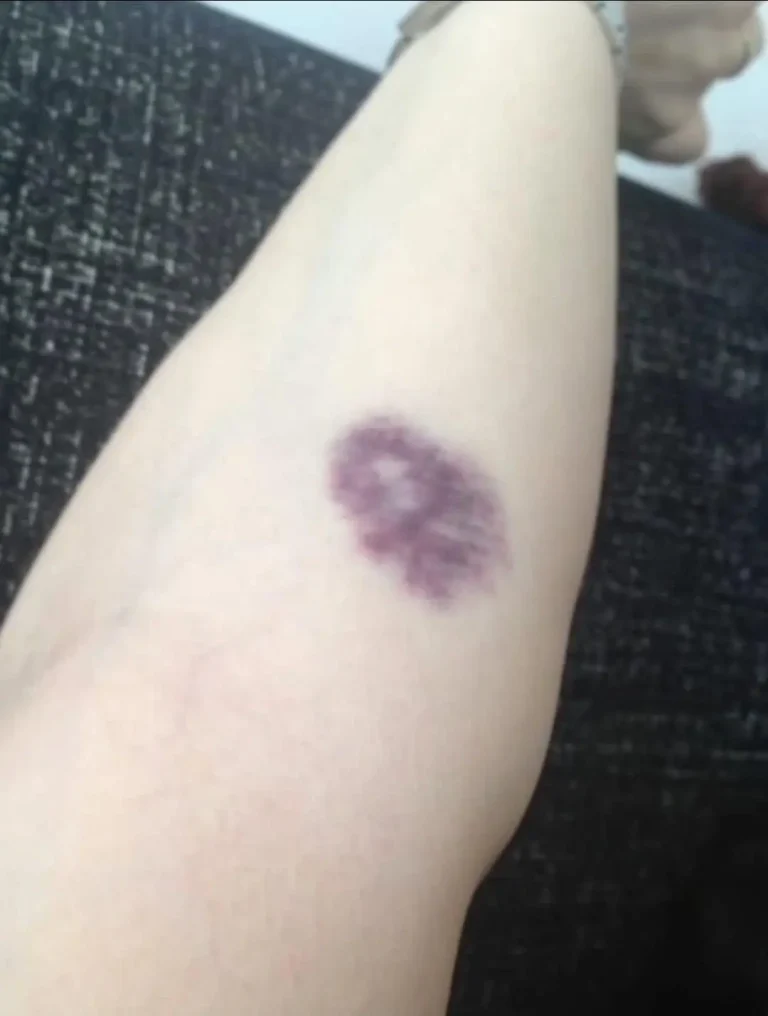
Hand hygiene is equally important at each change: failing to wash hands before and after handling a pad can introduce additional bacteria to a sensitive area, compounding the risk.
Low-quality products and tight clothing add to the risk
The choice of product itself plays a role. Cheap or unregulated sanitary pads may contain materials that irritate sensitive skin, according to the source. Without proper quality assurance, the composition of absorbent layers and adhesives can vary considerably.

Clothing choices also influence the risk. Tight garments restrict airflow around the body, allowing moisture to build up more easily — conditions described as favourable for bacterial growth. Breathable fabrics and looser fits help keep the area dry throughout the day.
Why menstrual hygiene is a recurring health topic
Personal hygiene during menstruation is often underestimated in daily routines, yet it directly affects women’s health. Stories of severe infections linked to sanitary product misuse have circulated online, prompting renewed interest in evidence-based guidance. Health professionals stress that while alarming cases exist, they are uncommon — and largely preventable with consistent habits.
Itching, redness and unusual discharge: signs not to ignore
The body often signals a problem before it becomes serious. Symptoms such as unusual discomfort, itching, redness or abnormal discharge may indicate irritation or the early stages of an infection.

These signs do not always point to a serious condition, but they should not be dismissed. If symptoms persist or worsen, seeking medical advice is described as the safest course of action, as early consultation can prevent a minor issue from escalating.
Health professionals caution against self-diagnosing based on alarming stories circulating online, which may be rare or exaggerated. A doctor remains the appropriate reference for any persistent or unusual symptom.
Suggested Posts
AI financial advice: biased, inconsistent and sometimes just wrong
Artificial intelligence tools give personal finance advice that can be inaccurate, inconsistent and demographically biased — and the results vary significantly depending on which…