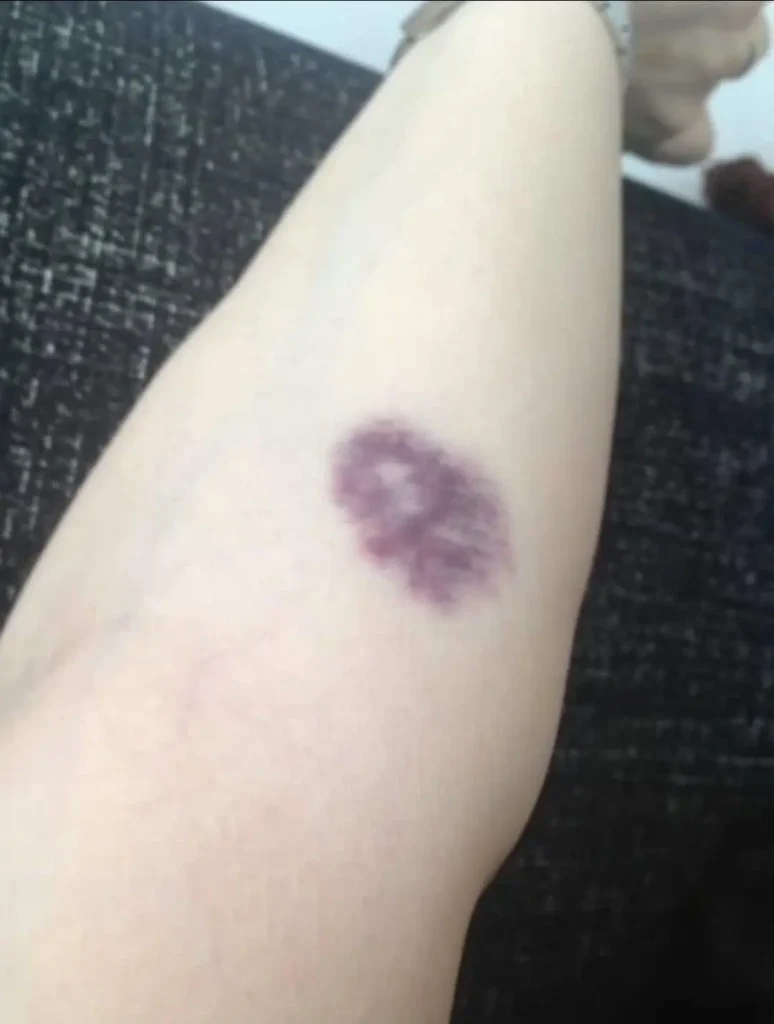
A bruise that appears without any known bump or injury may seem trivial, but recurring unexplained bruising can sometimes point to an underlying health condition. From medication side effects to rare blood disorders, the possible causes range widely in severity. Knowing which warning signs to watch for can make a real difference.
In brief
- —Unexplained bruises may signal a medical condition
- —Medications, vitamin deficiencies and liver issues are common causes
- —Seven warning signs should prompt a medical consultation
Why capillaries break: from aging skin to blood thinners
Bruising occurs when tiny blood vessels called capillaries break beneath the skin, allowing blood to leak into surrounding tissue. In most cases, the cause is benign: skin naturally becomes thinner and more fragile with age, making blood vessels easier to damage.

Certain medications significantly increase the risk of bruising. Blood thinners, aspirin, and some anti-inflammatory drugs all interfere with the body’s normal clotting process. Anyone taking these treatments who notices a sudden increase in bruising should mention it to their prescribing doctor.
Nutritional deficiencies are another frequent culprit. Low levels of vitamin C, vitamin K, or iron can weaken blood vessel walls or impair the clotting cascade, making even minor contact enough to leave a visible mark.
How bruising normally works
A bruise forms when capillaries — the smallest blood vessels in the body — rupture and blood seeps into the surrounding tissue. The body reabsorbs this blood over days or weeks, which explains the colour change from purple to yellow as a bruise heals. When this process happens repeatedly without an obvious cause, it suggests the capillaries may be unusually fragile or that clotting is not working as it should.
Liver function and blood disorders: deeper causes of easy bruising
The liver plays a central role in clotting: it produces the proteins the body needs to stop minor bleeding beneath the skin. When liver function is compromised, those proteins become scarce, and bruises can form far more easily than expected.

Blood disorders that affect platelets or clotting factors can produce a similar effect. When the body cannot repair damaged blood vessels efficiently, bruising may appear alongside other symptoms: frequent nosebleeds, cuts that bleed for longer than usual, or persistent fatigue.
In rare cases, persistent unexplained bruising has been associated with blood-related cancers such as leukemia, where abnormal blood cell production disrupts healthy clotting mechanisms. However, the source is clear that bruising alone does not indicate cancer — many far less serious conditions share the same symptom.
Seven warning signs that should prompt a medical consultation
Not all unexplained bruising requires urgent attention, but certain combinations of symptoms should not be left unchecked. Healthcare professionals point to the following red flags:

Bruises that appear frequently without any injury; bruises that are unusually large or painful; bruising accompanied by excessive bleeding; persistent fatigue or weakness; frequent infections; unexplained weight loss; and bruising that continues to worsen over time.
When one or more of these signs are present, consulting a doctor is the recommended course of action. A medical evaluation may include blood tests or other assessments to identify the underlying cause.
Early identification opens the door to effective treatment
The outlook for many causes of unexplained bruising is encouraging when the condition is caught early. Nutritional deficiencies can often be corrected through dietary changes or supplements. Medication-related bruising can be managed under medical supervision, sometimes by adjusting the dose or switching to an alternative treatment.

Blood disorders, too, tend to respond better to treatment when identified at an early stage. The key message is that while the vast majority of bruises are harmless, a pattern of unexplained bruising that persists or worsens is worth investigating rather than dismissing.
The next step for anyone concerned about recurring bruising is a straightforward blood test, which can check platelet counts, clotting factors, liver function, and vitamin levels in a single appointment. Open questions remain about how many people delay seeking advice for this symptom and whether broader awareness campaigns could lead to earlier diagnoses of the underlying conditions involved.