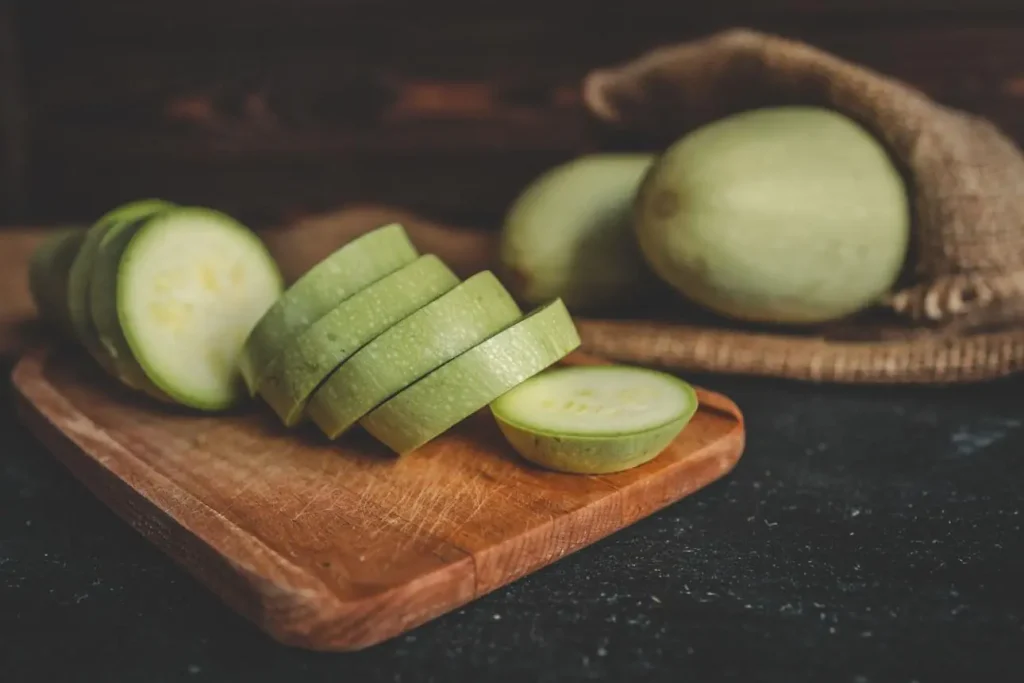
A 25-year-old man ended up in hospital with acute kidney injury after eating just a few bites of a vegetable he noticed tasted unusually bitter. Doctors say the likely culprit was cucurbitacins — naturally occurring toxins found in certain gourd-family vegetables — and warn that ignoring a bitter taste can have serious consequences.
In brief
- —A 25-year-old hospitalized with acute kidney injury after a family meal
- —Bitter taste signals cucurbitacins, toxins cooking cannot destroy
- —Bottle gourd and zucchini are the two vegetables most at risk
A family dinner that turned into a medical emergency
The man noticed the vegetable tasted unusually bitter but swallowed a few bites before stopping, assuming it was simply a difference in flavor. Within hours, he began vomiting repeatedly and became severely dehydrated.

By the time he reached the hospital, blood tests showed his kidneys were under significant stress from a combination of dehydration and toxin exposure. Doctors diagnosed acute kidney injury and began immediate treatment.
Fortunately, prompt medical care allowed him to recover without permanent kidney damage — an outcome physicians say is not guaranteed when treatment is delayed.
Cucurbitacins: the heat-resistant toxin hiding in common gourds
According to the treating physicians, the most likely cause of the poisoning was cucurbitacins — bitter chemical compounds that can develop naturally in certain members of the gourd family.
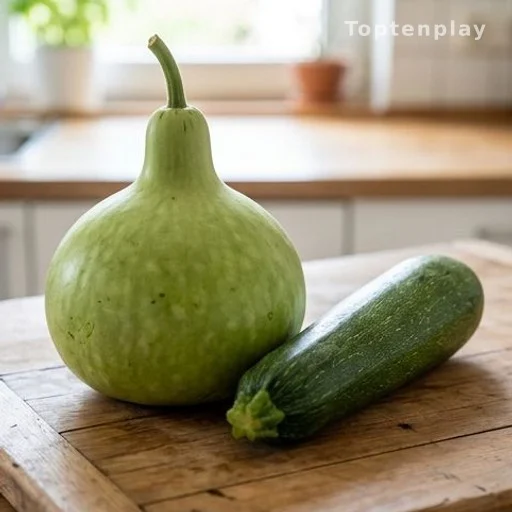
These toxins typically appear when vegetables are grown under environmental stress or when cultivated varieties cross-pollinate with wild ones. They are uncommon but cannot be neutralized by cooking: boiling, frying, and baking all leave cucurbitacins intact.
Doctors specifically highlighted bottle gourd and zucchini as the two vegetables most frequently associated with cucurbitacin poisoning. Under normal conditions both are mild and safe; an intensely bitter taste is the key warning sign that something is wrong.
What are cucurbitacins?
Cucurbitacins are naturally occurring bitter compounds found in plants of the gourd family, which includes cucumbers, zucchini, bottle gourds, and melons. They are produced as a natural defense mechanism and can accumulate to toxic levels under environmental stress or through cross-pollination with wild varieties. Most commercially grown vegetables in this family contain only trace amounts, making poisoning cases rare but not impossible.
Symptoms that appear within hours — and who is most at risk
Physicians describe a recognizable symptom pattern that typically develops within a few hours of exposure: an extremely bitter taste while eating, followed by persistent vomiting, intense abdominal cramps, diarrhea, and dizziness or weakness.

Severe vomiting and diarrhea can cause rapid dehydration, which in turn reduces blood flow to the kidneys and raises the risk of acute kidney injury — precisely the mechanism observed in the 25-year-old’s case.
Doctors note that people with pre-existing kidney disease, older adults, and young children face a heightened risk of serious complications and should be especially cautious.
Stop, discard, and seek care: the three steps doctors recommend
The physicians’ primary recommendation is straightforward: if a gourd-family vegetable tastes unusually bitter, stop eating it immediately. Cooking it longer or mixing it with other ingredients will not reduce the toxin.

Doctors also advise buying vegetables from reliable sources and avoiding unusually shaped or visibly damaged gourds, which may be more likely to carry elevated toxin levels.
Anyone who experiences repeated vomiting, severe diarrhea, confusion, difficulty staying awake, or significantly reduced urination after eating a bitter vegetable should seek emergency medical care without delay. Early intravenous fluid treatment and supportive care, physicians say, can significantly reduce the risk of kidney injury and other serious complications.
The case has not been linked to a specific outbreak or product recall, and no public health authority has issued a formal alert based on this incident. Open questions include how frequently cucurbitacin poisoning goes undiagnosed or is mistaken for ordinary food poisoning, and whether stricter agricultural controls on cross-pollination could reduce the risk. For now, physicians say awareness of the bitter-taste warning remains the most reliable line of defense.