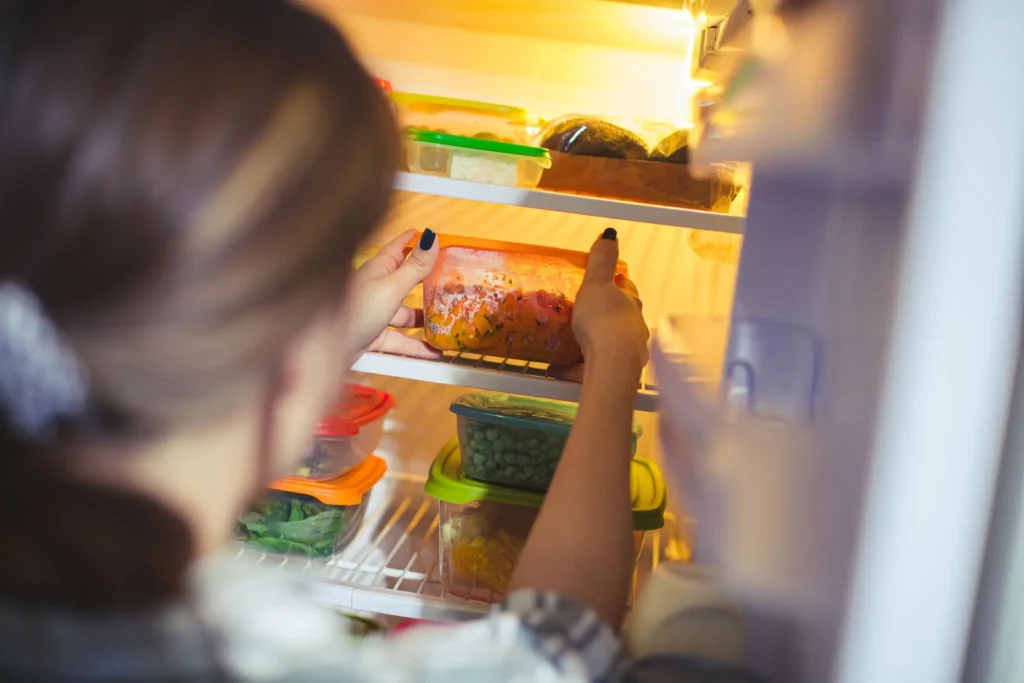
Not every leftover is as safe as it looks the next morning. While refrigeration slows bacterial growth, it does not stop it entirely — and some cooked foods deteriorate faster than most people expect. Here are the five foods that deserve extra caution when stored overnight.
In brief
- —Cooked rice can harbour toxins that reheating won’t destroy
- —Seafood spoils faster than most foods, even refrigerated
- —Refrigerate all cooked food within two hours of cooking
Why your fridge does not make leftovers automatically safe
Refrigeration is a powerful tool against bacterial growth, but it is not a guarantee of safety. Some microorganisms continue to multiply at cold temperatures, and food left at room temperature for too long before being refrigerated is particularly vulnerable to contamination.
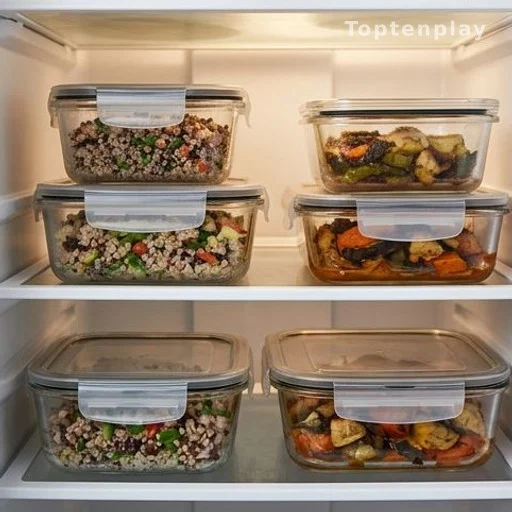
Food safety experts generally recommend placing cooked food in the refrigerator within two hours of cooking. Most leftovers should then be consumed within 24 to 48 hours, depending on the type of food. Any leftover that develops an unusual smell, texture, or appearance should be discarded immediately.
Beyond bacterial risk, repeated reheating and prolonged storage can also degrade the nutritional quality and texture of many dishes — a secondary but real reason to think carefully before keeping certain foods overnight.
Mushrooms, leafy greens and the bacteria they attract
Cooked mushrooms are particularly susceptible to bacterial growth because they are rich in both moisture and nutrients — two conditions that favour microbial multiplication. They should be refrigerated as soon as possible after cooking and eaten within a short period. Reheating alone does not reliably eliminate every harmful microorganism they may harbour.

Cooked leafy vegetables — spinach, lettuce and similar greens — lose freshness quickly and can also become a breeding ground for bacteria if stored improperly. There is an additional concern specific to this category: nitrate-rich vegetables may undergo chemical changes during storage that reduce their nutritional value.
The practical advice for both is the same: prepare only what you plan to eat, refrigerate promptly, and avoid leaving cooked greens at room temperature for any significant length of time.
Rice and seafood: the two highest-risk foods to keep overnight
Cooked rice carries a specific and well-documented hazard. It may contain spores of Bacillus cereus, a bacterium whose spores can survive the cooking process. If rice is left at room temperature for several hours before being refrigerated, those spores can multiply and produce toxins that subsequent reheating cannot destroy.

To reduce the risk, food safety guidance calls for refrigerating rice within two hours of cooking, storing it in airtight containers, and reheating it thoroughly only once before serving.
Seafood — fish, shrimp, oysters and shellfish — spoils faster than almost any other cooked food. Even under refrigeration, bacteria continue to grow slowly. Any seafood that develops an unpleasant odour, a slimy texture, or an unusual appearance should be thrown away without hesitation.
The science behind the risk
Bacillus cereus is one of the best-known examples of a bacterium whose spores survive standard cooking temperatures and can later produce heat-resistant toxins. More broadly, foodborne illness affects millions of people each year worldwide, with improper leftover storage identified as a common contributing factor by food safety authorities.
Cooked meat and the key storage habits that reduce risk
Cooked meat can remain safe when handled correctly, but the risk rises with each additional day in the refrigerator and each extra round of reheating. Storing meat for too many days or reheating it repeatedly increases the chance of bacterial contamination and accelerates quality loss.
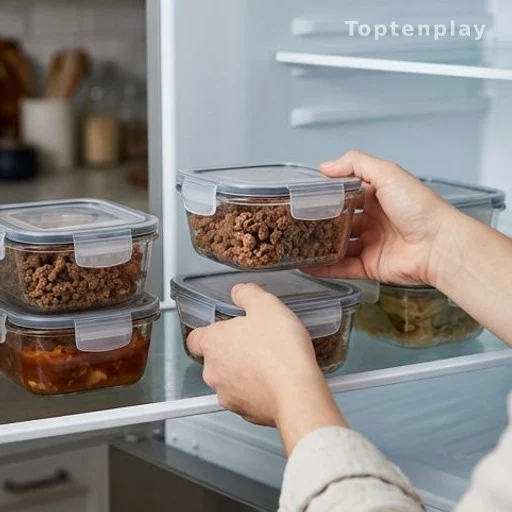
One practical step that makes a real difference: divide large portions into smaller containers before refrigerating. Smaller portions cool more quickly and evenly, limiting the window during which bacteria can multiply.
More broadly, food safety guidance recommends keeping the refrigerator at 4°C (40°F) or below, using clean airtight containers, labelling leftovers with the storage date, and following a simple rule when uncertain: if in doubt, throw it out.
No updated regulatory guidance or new scientific threshold is expected imminently on this topic, but the core questions for households remain open in practice: how consistently the two-hour rule is applied, whether refrigerator temperatures are actually monitored, and how quickly awareness of the Bacillus cereus risk in rice reaches wider audiences. Food safety authorities continue to track foodborne illness trends, and any revision to recommended storage windows would likely be communicated through national health agencies.