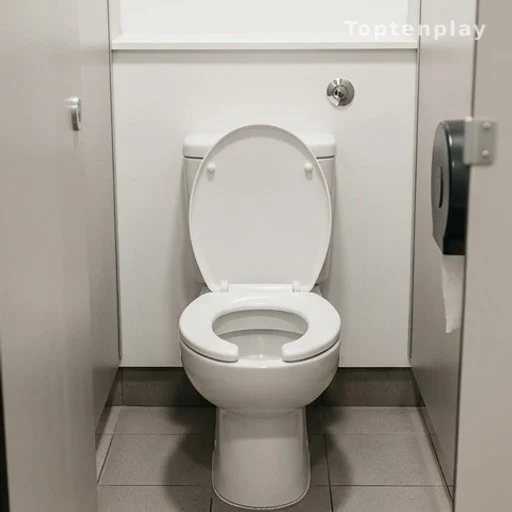
This means that any commercial or public facility — from a gas station bathroom to a department store restroom — must comply with these requirements when installing or replacing toilet seats. The design is, in effect, a public health measure written into law.
The fact that most people have never heard of these codes doesn’t make them any less binding. For building managers and facility operators, non-compliance can have direct consequences during inspections, making the U-shape a standard fixture across the country.
Plumbing codes and public health
The Uniform Plumbing Code and the International Plumbing Code are model regulatory frameworks adopted at the state and local level across the United States to govern the installation and maintenance of plumbing systems. Their requirements on toilet seat design reflect a broader public health approach that treats shared sanitary fixtures as vectors of potential contamination requiring specific engineering controls.
Less surface contact, fewer germs: the hygiene logic
The open-front design directly reduces the amount of surface area in contact with the body during use. Less material touching the skin means fewer opportunities for germ transmission — a straightforward but significant advantage in high-traffic environments where dozens or hundreds of people use the same fixture each day.

The absence of a closed front also eliminates a zone that, on standard residential seats, can accumulate bacteria and dirt in hard-to-reach crevices. With fewer edges and corners, the open-front seat is structurally simpler to keep clean — an important factor in public hygiene management.
Airflow is another practical benefit. The open design promotes better air circulation around the seat, which helps it dry faster between uses. In a busy restroom, a seat that dries quickly is a seat that is less likely to harbor moisture-dependent bacteria.
Easier to maintain in high-traffic facilities
Beyond individual hygiene, the open-front design offers clear advantages for the staff responsible for maintaining public restrooms. Fewer surface angles and no enclosed front rim mean that cleaning requires less time and effort per fixture — a meaningful operational benefit when a single restroom may need to be serviced multiple times a day.
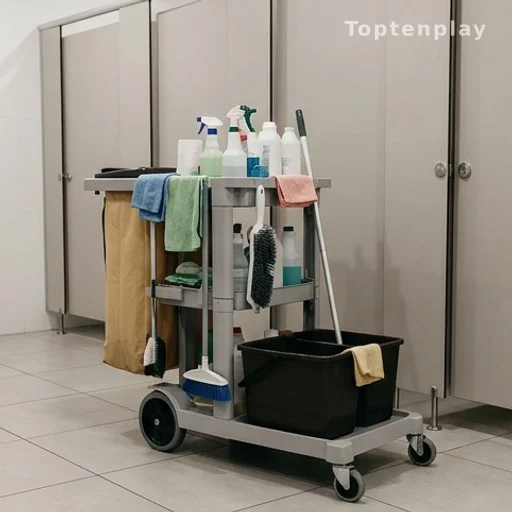
In large facilities such as airports, shopping centers, or stadiums, the cumulative time saved across dozens of stalls adds up. The simpler geometry of the U-shaped seat also makes it easier to spot visible soiling quickly, allowing cleaning crews to prioritize more effectively.
Suggested Posts

Egg yolk color doesn’t reveal what you think about your chicken
A deep orange egg yolk is widely taken as a sign of a healthier chicken and a more nutritious egg. That assumption is largely…