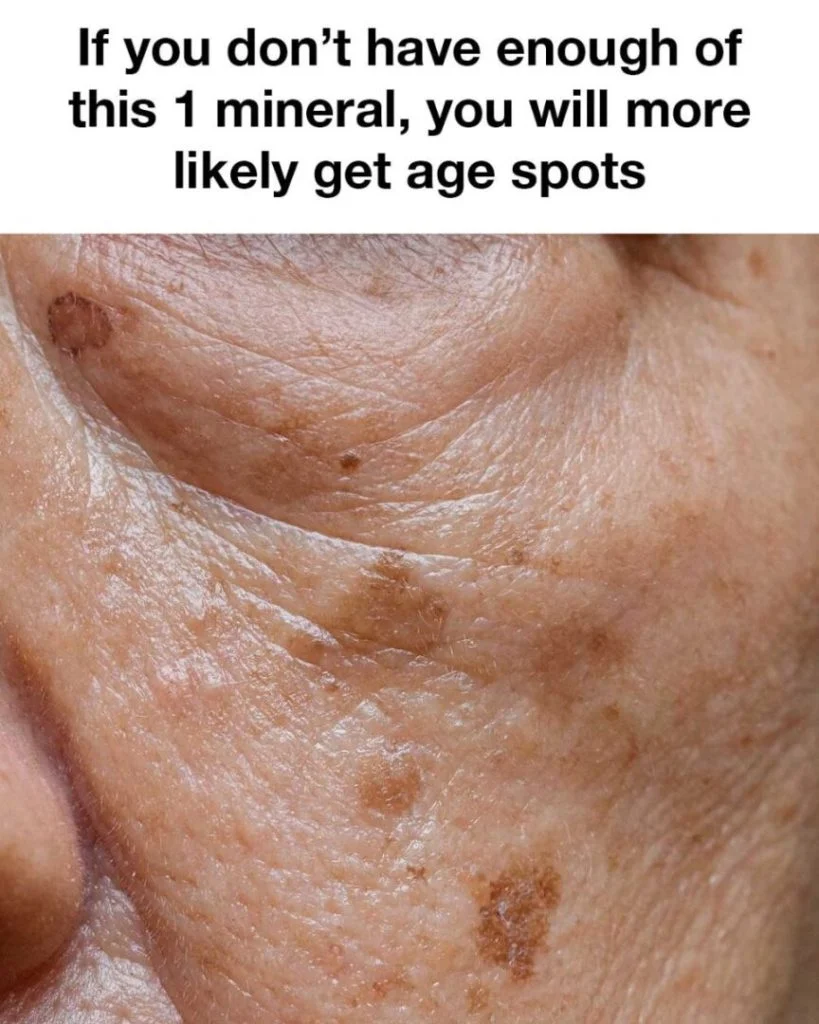
Age spots — the flat brown, gray, or black marks that appear on sun-exposed skin — may be more likely to develop when the body lacks a key mineral: selenium. Known scientifically as solar lentigines, these marks are commonly associated with sun exposure, but nutritional deficiencies may also play a significant role in how the skin ages and repairs itself.
En bref
- —Low selenium may raise the risk of age spots
- —Brazil nuts, tuna and eggs are top selenium sources
- —Too much selenium can cause hair loss or nerve damage
Age spots: what they are and why the skin becomes vulnerable
Age spots — also called liver spots or solar lentigines — are flat marks that range in color from brown and gray to black. They typically appear on areas of the skin that receive the most sun exposure, such as the hands, face, shoulders, and arms.
Suggested Posts

Egg yolk color doesn’t reveal what you think about your chicken
A deep orange egg yolk is widely taken as a sign of a healthier chicken and a more nutritious egg. That assumption is largely…