

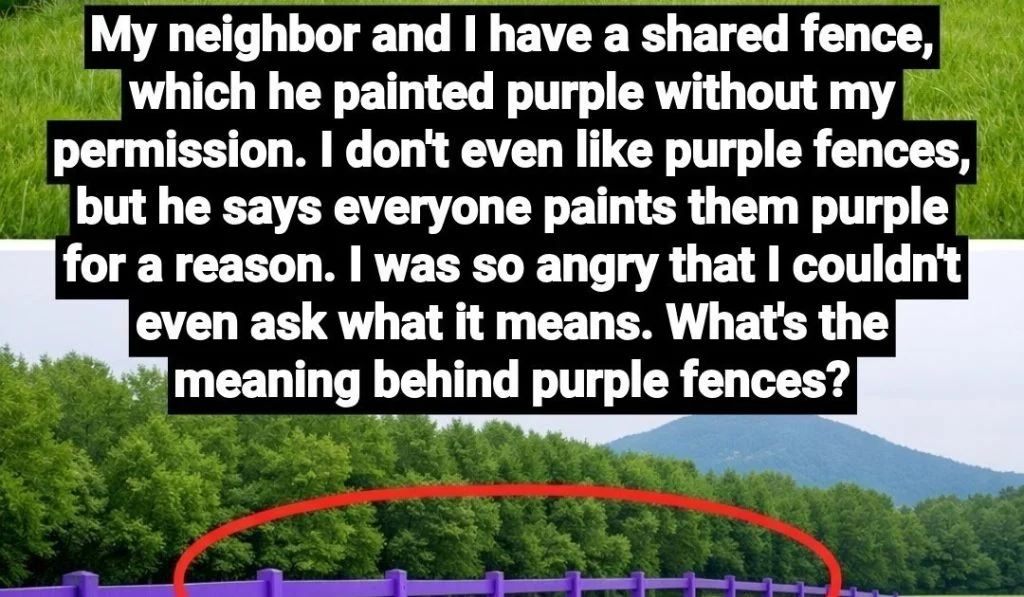
A streak of purple paint on a fence post, a tree trunk, or a rock along a trail is not a decoration — it is a legally binding warning to stay out. In at least 22 U.S. states, this marking carries the same legal force as a posted «No Trespassing» sign, and ignoring it can expose you to trespassing charges. The rule has a name: the Purple Paint Law.
En bref
- —Purple paint = legally enforceable «No Trespassing» in 22 states
- —No written words needed — paint alone is sufficient
- —Signs fade and get stolen; paint was designed to last longer
A «No Trespassing» sign you may not recognize
The Purple Paint Law allows landowners to mark the boundaries of their private property using vertical stripes of purple paint — on trees, fence posts, or rocks — instead of, or in addition to, traditional posted signs. In the states that recognize it, this marking carries full legal weight, meaning a person who crosses that boundary can be charged with trespassing even if they claim they saw no sign.
Suggested Posts

Egg yolk color doesn’t reveal what you think about your chicken
A deep orange egg yolk is widely taken as a sign of a healthier chicken and a more nutritious egg. That assumption is largely…