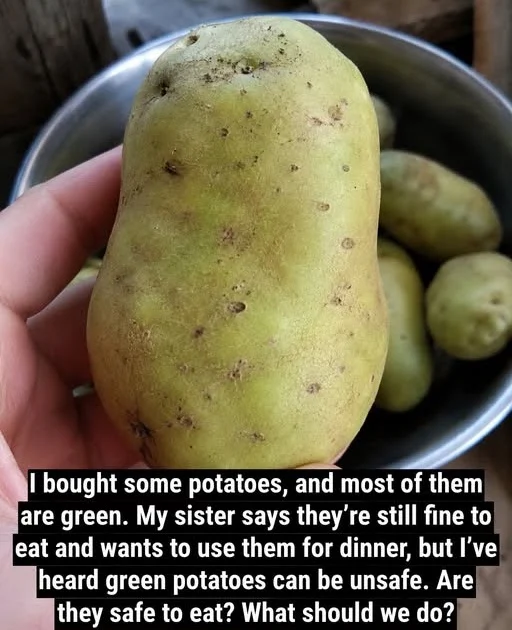
That greenish tint on a potato skin is not just a cosmetic issue — it is a chemical signal worth understanding. The color itself is harmless, but it points to the presence of solanine, a natural toxin that potatoes produce when exposed to light. Here is what the science actually says.
En bref
- —Green color = chlorophyll, triggered by light exposure
- —Chlorophyll is safe — solanine, produced at the same time, is not
- —Green patches are a food safety warning, not just a visual flaw
Chlorophyll: the green pigment that is actually harmless
Potatoes are tubers — they grow underground, in the dark. When they are exposed to light, whether on a store shelf, in a pantry, or even through thin skin, they begin producing chlorophyll, the same green pigment responsible for the color of spinach and kale.
Suggested Posts
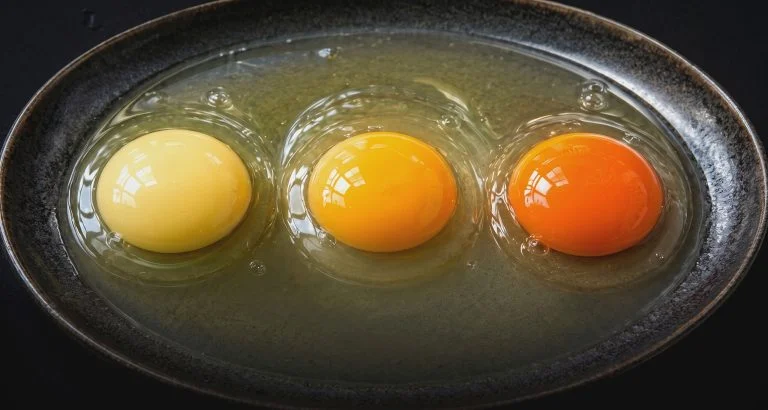
Egg yolk color doesn’t reveal what you think about your chicken
A deep orange egg yolk is widely taken as a sign of a healthier chicken and a more nutritious egg. That assumption is largely…