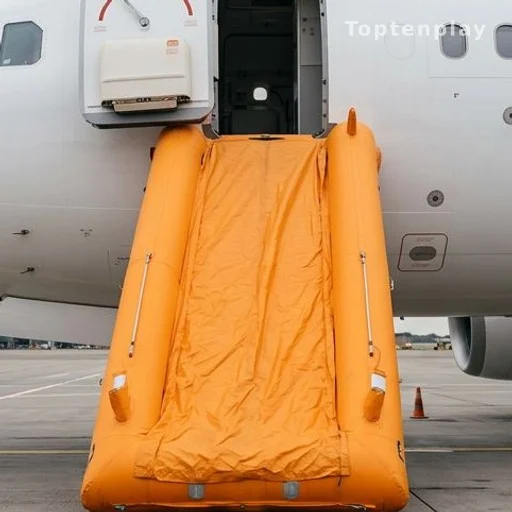
A lightweight long-sleeve shirt, she explains, provides a meaningful protective layer without adding bulk or heat. It is one of the simplest precautions a passenger can take — and one that costs nothing in terms of comfort.
This is the core reason Fischbach advises against sleeveless tops and short-sleeved t-shirts as default travel wear, regardless of the destination’s climate. The cabin environment and the boarding process are separate from whatever heat awaits on the ground.
Cabin pressure, swelling, and the DVT risk hiding in your tight jeans
Airplane cabins are pressurized environments, and that pressure has a direct effect on the body: mild swelling in the limbs is a documented consequence of long-haul flights. Clothing that fits perfectly at the departure gate can become noticeably restrictive within a few hours at cruising altitude.

The concern goes beyond discomfort. According to Fischbach, tight clothing can impair circulation — a factor that, on longer flights, raises the risk of deep vein thrombosis (DVT), a condition where blood clots form in the deep veins, most commonly in the legs.
DVT is a recognized health risk associated with prolonged immobility during air travel. Wearing loose, breathable clothing — joggers, leggings, or stretchy jeans — reduces one of the controllable contributors to that risk, according to the flight attendant’s recommendations.
DVT and air travel: a recognized medical concern
Deep vein thrombosis (DVT) is a condition in which blood clots form in deep veins, typically in the legs. Prolonged immobility during long-haul flights is an established risk factor. Wearing tight clothing that restricts circulation is considered an additional contributing element, alongside dehydration and lack of movement.