The key outstanding question for consumers is where to draw the line between a potato worth salvaging and one that should be discarded entirely. Food safety authorities in several countries are expected to update their household guidance on glycoalkaloid thresholds as research into solanine accumulation rates under different storage conditions continues. In the meantime, the practical test remains straightforward: if the green extends deep into the flesh after peeling, or if the potato tastes bitter — a known indicator of elevated solanine — it should not be eaten.
Suggested Posts
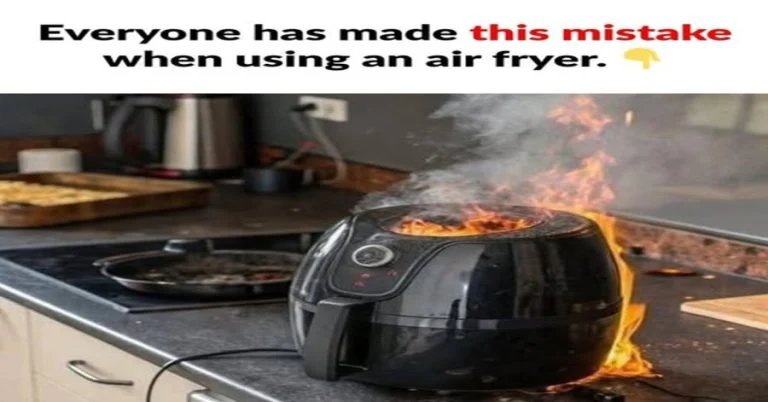
Air fryer mistakes that can actually start a fire
Air fryers have become a kitchen staple for millions of households — but a handful of widespread habits can turn this convenient appliance into…