📌 Diabetes symptoms you’re ignoring: Why slow-healing wounds and nighttime urination signal urgent blood sugar damage

Posted 7 December 2025 by: Admin
The Hidden Epidemic: Recognizing Diabetes Before It’s Too Late
Diabetes represents one of the most insidious health crises of our time—a long-term condition that silently reshapes the body’s ability to process energy. When blood sugar levels spiral beyond the body’s control, glucose accumulates in the bloodstream instead of entering cells where it’s needed, triggering a cascade of organ damage that unfolds over months and years. Yet the true danger lies not in the disease itself, but in the deception of its early stages. Many people live with diabetes for years without realizing it, mistaking the initial warning signs for ordinary fatigue, stress, or age-related changes.
This diagnostic blindspot explains why diabetes remains so devastating. The symptoms emerge gradually, often so subtly that sufferers dismiss them as temporary inconveniences. A slightly more frequent bathroom trip at night. Persistent thirst that seems unremarkable. Unexplained tiredness that feels manageable. Because these signs lack drama, they slip past our attention—precisely when recognizing them could save your health and future. The window for intervention narrows silently, as organs begin their slow transformation under the weight of uncontrolled blood sugar.
Understanding these early markers becomes a matter of survival. The distinction between catching diabetes in its infancy and discovering it only after organ damage has begun can determine whether you maintain independence, vision, and quality of life. Early detection transforms prognosis entirely, converting what could become a catastrophic health event into a manageable chronic condition. The question, then, is not whether symptoms exist, but whether you know what to recognize when your body begins sending its distress signals.
The Body’s Cry For Help: Primary Warning Signals
The body’s response to uncontrolled blood sugar manifests through unmistakable physical changes—signals that demand attention precisely because they seem so ordinary. When glucose cannot reach cells efficiently, the kidneys attempt desperate filtration, drawing excess sugar into the urine and pulling water along with it. This explains why frequent urination, especially during nighttime hours, ranks among the earliest and most reliable warning signs. The pattern intensifies a vicious cycle: as the body expels more fluid, excessive thirst emerges that persists regardless of water intake. Sufferers drink constantly, yet the thirst returns within minutes, as dehydrated tissues continue signaling their distress.
Simultaneously, hunger becomes paradoxical and relentless. Although glucose never reaches the cells, the body interprets this cellular starvation as genuine deprivation, triggering intense cravings for food. Patients eat normal or increased amounts yet feel perpetually unsatisfied, experiencing the biological contradiction of consuming calories while remaining neurologically convinced they’re starving. This metabolic confusion often produces the most disorienting symptom: unexplained weight loss alongside increased food consumption. In type 1 diabetes particularly, the body breaks down fat and muscle reserves for energy, causing rapid weight decline that mystifies patients unaware of their condition.
These interconnected symptoms form a coherent narrative—not random ailments, but orchestrated consequences of cellular glucose deprivation. Recognition of this cluster pattern becomes crucial, as individual symptoms might pass unnoticed, but their simultaneous appearance demands medical evaluation and potential diagnosis before metabolic chaos deepens.
When The System Breaks Down: Physical Deterioration Signs
As these primary signals accumulate, diabetes reveals its capacity for systemic damage—a progressive assault on multiple body systems simultaneously. Chronic fatigue emerges as one of the most debilitating consequences, stemming from cells starved of the glucose fuel they desperately require. Without adequate energy supply, even routine tasks become exhausting. Concentration falters, work performance deteriorates, and mood destabilizes. People with undiagnosed diabetes often describe an overwhelming tiredness that persists despite adequate sleep, a profound weakness that no amount of rest can remedy.
Vision disturbances frequently accompany this decline. High blood sugar fundamentally alters the fluid balance within eye lenses, causing blurred vision that initially seems insignificant. Many dismiss the blurriness as age-related or temporary fatigue. Yet this apparent minor symptom masks a serious threat: untreated diabetes can permanently damage the delicate blood vessels supplying the eyes, progressively leading to severe eye disease and potential vision loss.
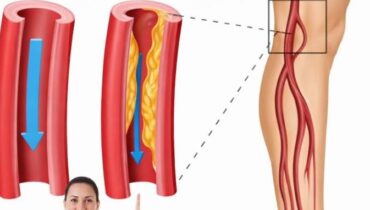
The body’s compromised circulation manifests equally through impaired wound healing. Damaged blood vessels reduce oxygen and nutrient delivery to injured tissues, while simultaneously weakening immune function. Cuts that should heal within days linger for weeks. Concurrent with this vulnerability, frequent infections proliferate—skin infections, gum disease, urinary tract infections—as the weakened immune system struggles to combat pathogens. These interconnected failures signal that internal systems are progressively breaking down, each complication reinforcing the others in a deteriorating cascade that demands urgent medical intervention.
The Silent Attackers: Nerve Damage And The Urgency Of Action
Beyond the visible deterioration of organs and systems lies an equally insidious threat operating beneath the surface—one that strikes without warning and progresses silently until damage becomes irreversible. Nerve damage, or peripheral neuropathy, represents diabetes’s most deceptive assault, manifesting as tingling, burning, or numbness in the hands and feet. These sensations often begin subtly, easily dismissed as temporary discomfort or poor circulation. Yet this progression marks a critical threshold: long-term high blood sugar systematically destroys nerve tissue, particularly in the extremities, potentially advancing from mild irritation to chronic pain and permanent disability.
The urgency intensifies when recognizing that type 2 diabetes develops insidiously over years, often producing no noticeable symptoms whatsoever. Many individuals harbor undiagnosed diabetes for a decade or longer, discovering their condition only during routine blood tests—by which point irreversible damage may have already begun. This silent progression underscores why proactive screening becomes non-negotiable, particularly for those carrying risk factors: excess weight, family history of diabetes, hypertension, or sedentary lifestyles.
The disparity between symptom severity and actual disease progression demands immediate action. When multiple warning signs converge—fatigue, vision changes, slow-healing wounds, infections, or neurological sensations—medical consultation cannot wait. Early diagnosis fundamentally alters the trajectory of the disease, transforming what could become a debilitating condition into a manageable chronic illness. The difference between discovering diabetes at its onset versus years into its progression determines whether complications can be prevented or merely contained.