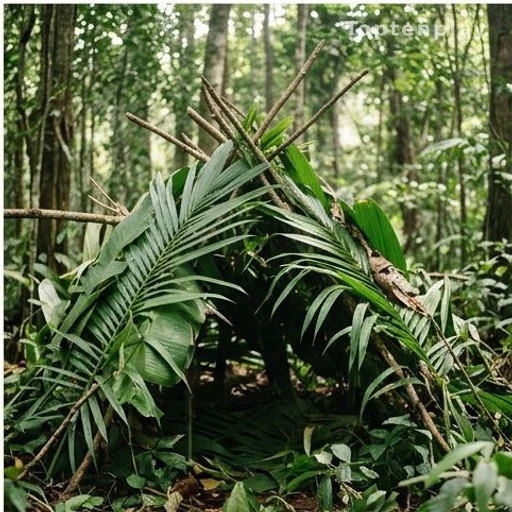
Drawing on survival skills passed down through her Huitoto community, Lesly built shelters, identified and foraged for edible fruits, and kept her younger siblings alive in one of the world’s most demanding environments. Her knowledge was not learned from a manual — it was inherited.
The case triggered a large-scale operation dubbed Operation Hope, which brought together the Colombian military and Indigenous volunteers in a joint effort to locate the children. Their eventual rescue was described as a triumph of cooperation between state institutions and local communities.
A thermal-imaging drone ends a 24-hour search for a sleepwalking girl in Louisiana
Not every disappearance in the woods becomes a prolonged ordeal. In Louisiana, 10-year-old Peyton Saintignan wandered into the forest near her home on a September evening after sleepwalking. Police, volunteers, and drone teams were mobilized within hours.
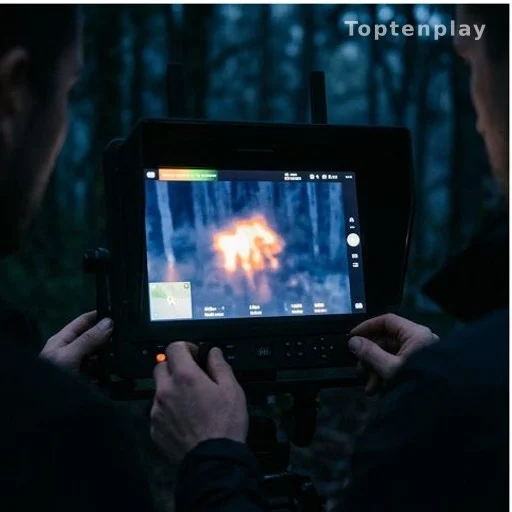
After a long night of searching, a thermal-imaging drone finally detected the girl’s heat signature — she was huddled under a tree, still in her pyjamas. The moment was captured on video, showing operators erupting in cheers.
"She’s awake. They got her! She’s alive!" the drone operators can be heard shouting in the footage. Peyton was safely carried out of the dense woods, her rescue standing as a clear demonstration of what thermal drone technology can achieve in a missing persons search.
Indigenous knowledge and modern technology: two sides of survival
The cases of Lesly in Colombia and Peyton in Louisiana show two very different but equally effective responses to a child lost in the wild. Huitoto communities in the Amazon have transmitted survival techniques across generations, while thermal-imaging drones have become an increasingly standard tool in modern search and rescue operations, capable of detecting a human heat signature in total darkness.