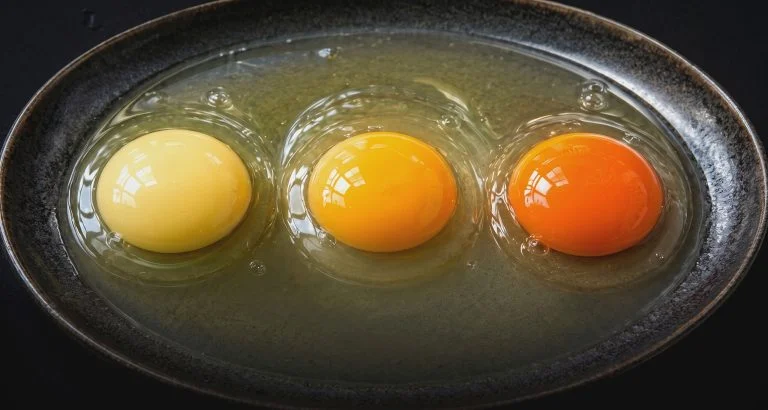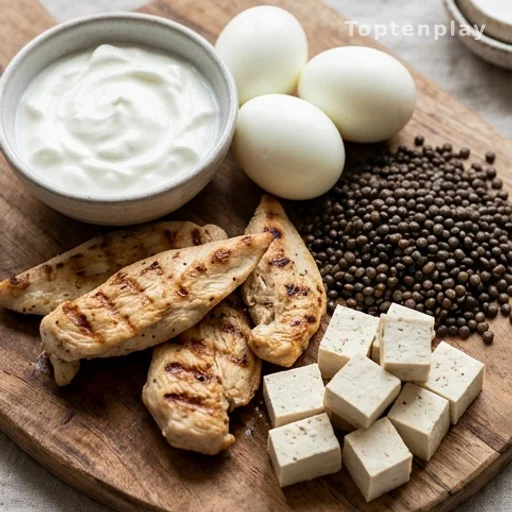
The recommended daily intake sits at 0.8 to 1.0 grams of protein per kilogram of body weight. For a 150-pound adult, that translates to roughly 55 to 70 grams per day — an amount many people fall short of, particularly those following restrictive diets or dealing with age-related appetite loss.
The best dietary sources include eggs, lean poultry, fish and Greek yogurt for those who eat animal products. Plant-based options such as lentils, tofu and quinoa also provide complete or near-complete amino acid profiles capable of supporting keratin production when consumed in adequate quantities.
Why nails reflect your nutritional status
Nail cells are produced by the nail matrix, a small tissue at the base of each nail, and are among the fastest-dividing cells in the body. This rapid growth makes them highly sensitive to nutritional fluctuations. As we age, nutrient absorption naturally declines, making dietary gaps more likely — and nail changes more common.
Biotin at 2.5mg per day can visibly thicken nails within six months
Biotin, also known as Vitamin B7, is the nutrient most commonly associated with nail health. A deficiency in this water-soluble vitamin is directly linked to brittle, fragile nails — and studies indicate that a daily intake of 2.5mg can improve nail thickness within three to six months in individuals who are deficient.
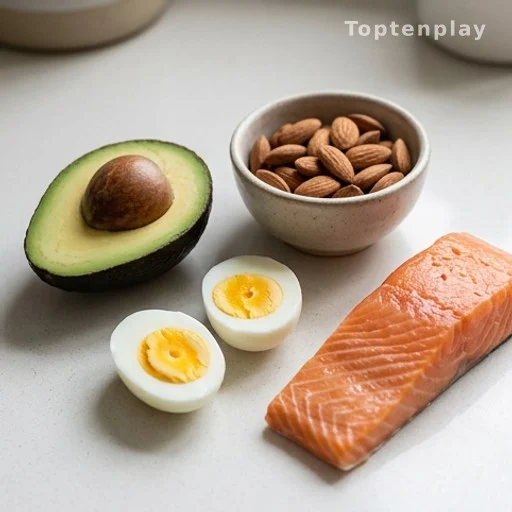
The best food sources of biotin include cooked eggs, almonds, sweet potatoes, salmon and avocados. One important caveat: raw egg whites contain a protein called avidin that actively blocks biotin absorption in the gut. Cooking the egg neutralises avidin, making the biotin fully available to the body.
While biotin supplements are widely available and may help in cases of confirmed deficiency, a food-first approach is considered safer for long-term use. High-dose biotin supplementation can also interfere with certain laboratory blood tests, a factor worth discussing with a healthcare provider before starting a regimen.
Iron deficiency leaves a visible mark — including spoon-shaped nails
Iron plays a critical role in nail health through its involvement in red blood cell production. When iron levels drop, oxygen delivery to the nail matrix — the tissue responsible for nail growth — is reduced, leading to brittleness and slow growth.
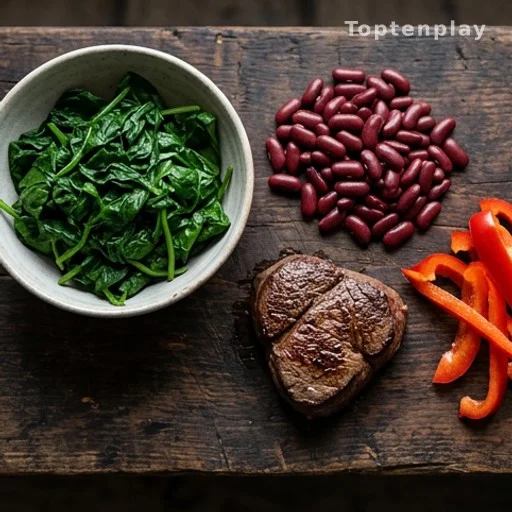
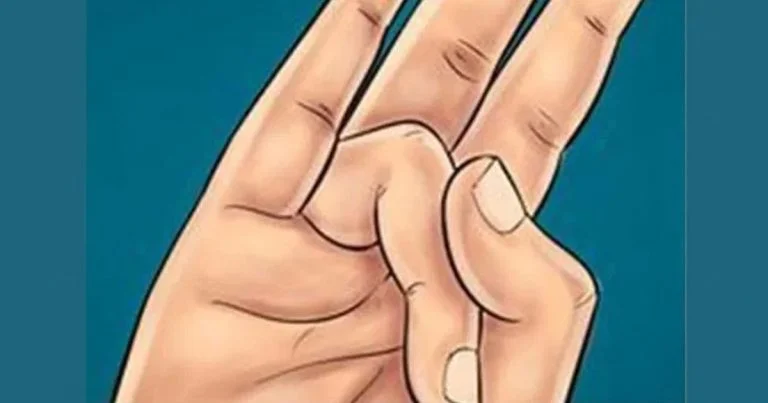
One of the most distinctive signs of iron deficiency is koilonychia, a condition in which nails become concave and spoon-shaped rather than flat or slightly curved. This physical change is considered a clinical indicator of low iron stores and is often one of the first visible symptoms of iron-deficiency anaemia.
Suggested Posts
A mystery object in hand turns out to be a vintage tape dispenser
A small, polished golden-brown object sat in someone's hand with no obvious purpose — no label, no instructions, no obvious mechanism. Online searches and…