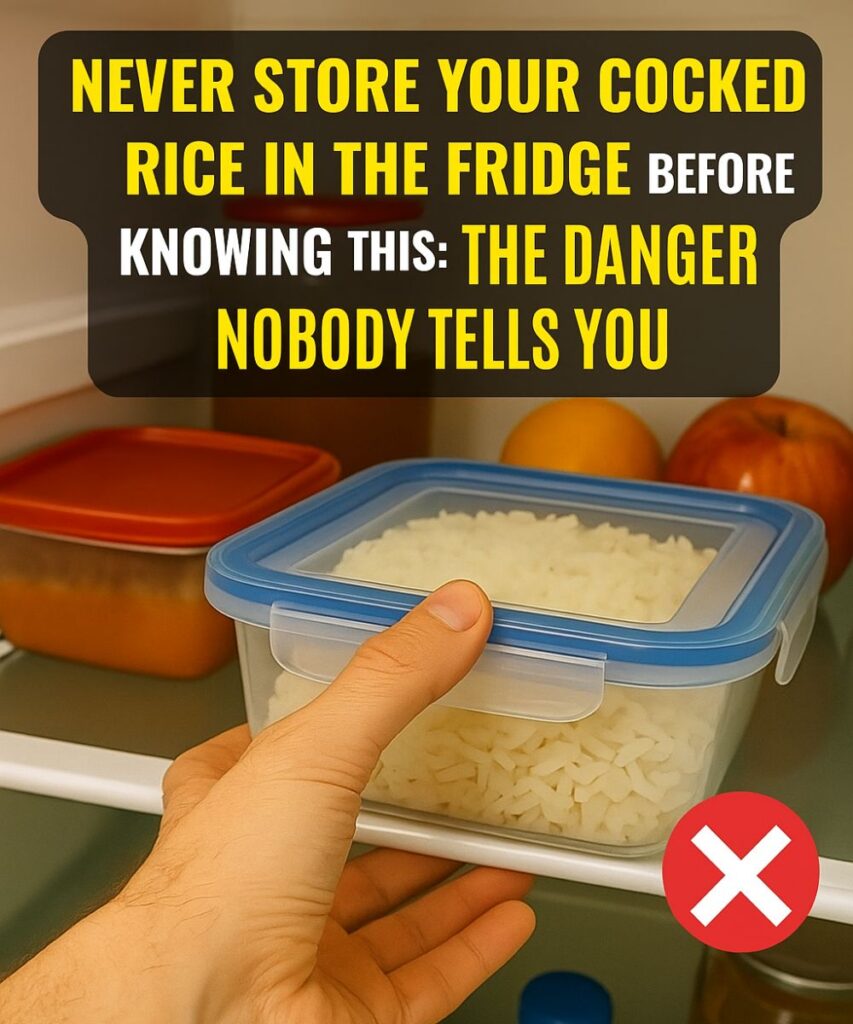
That container of leftover rice in your fridge might seem harmless — but it could be hiding a serious health risk. Bacillus cereus, a bacteria that survives cooking, can multiply in rice if it’s stored improperly. Here’s what you need to know to keep your meals safe.
Most people don’t think twice before refrigerating leftover rice. It’s convenient: cook once, store, reheat later. But rice can harbor dangerous bacteria even when chilled. The main culprit is Bacillus cereus — a foodborne pathogen capable of surviving the cooking process.
Yes, rice can grow bacteria, and you can’t always smell or see the danger. Bacillus cereus spores may survive boiling, and if the rice isn’t cooled and stored correctly, they can multiply. Even reheating doesn’t destroy the toxins they produce. 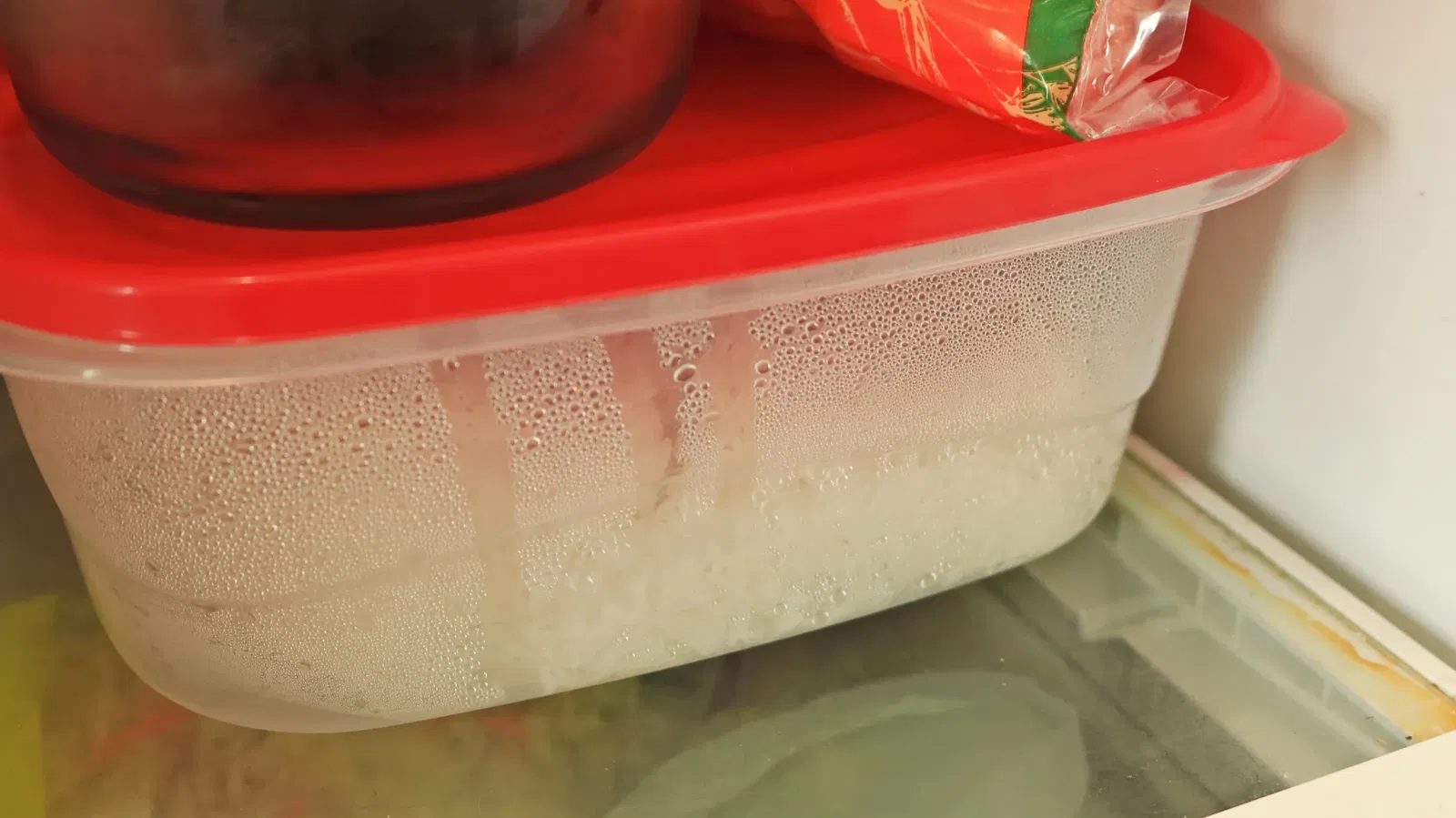
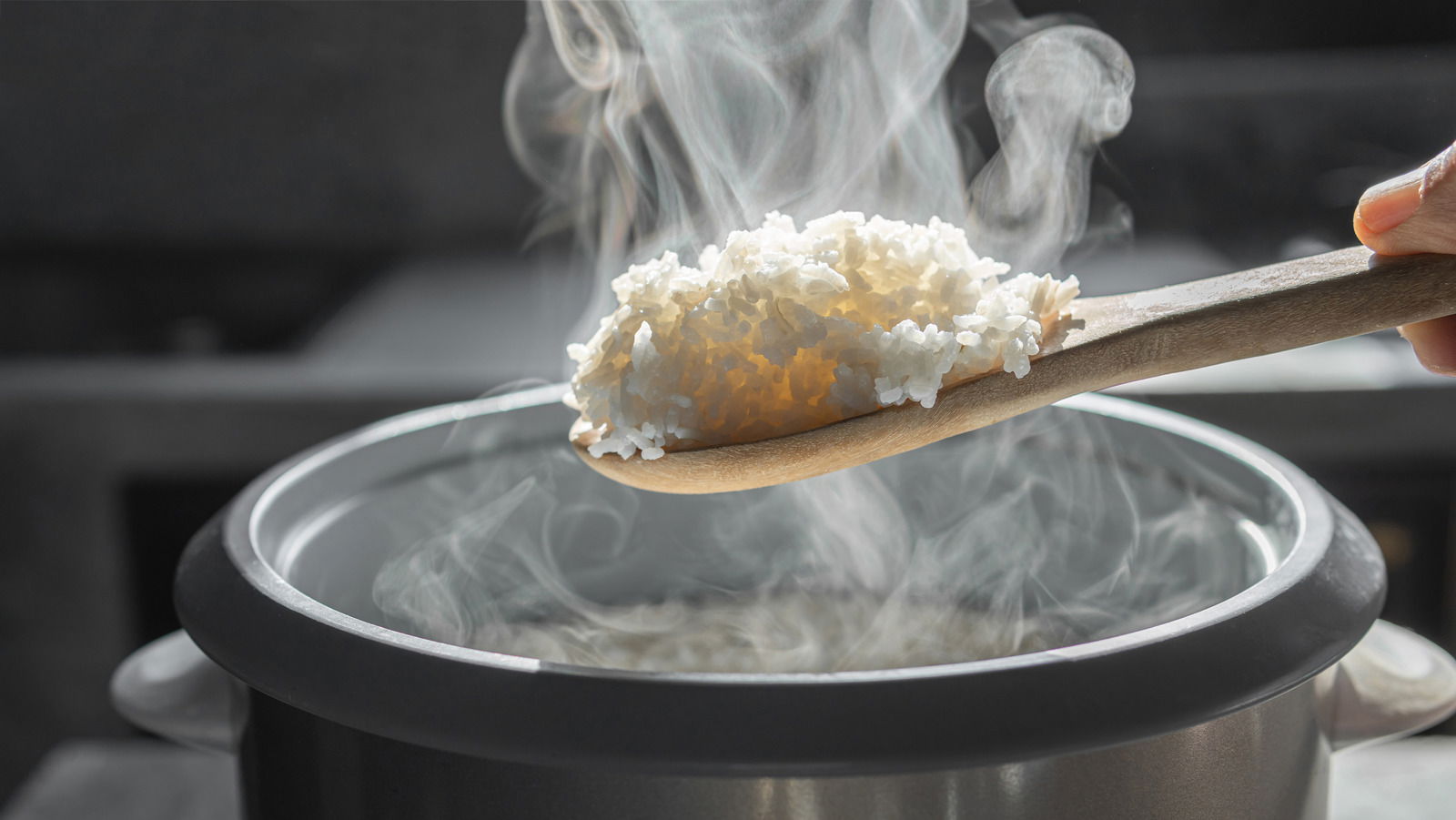
When rice is cooked, Bacillus cereus spores can survive heat.
If the rice sits out too long before refrigeration — or cools too slowly — spores thrive. Their toxins resist microwaving or reheating, which means **you can eat rice that tastes fine but still causes food poisoning.**
Symptoms include nausea, vomiting, and diarrhea, often within 1–5 hours of eating contaminated rice. While rarely fatal, these effects are serious, especially for children, elderly people, or those with weakened immunity.
So, how can you stay safe?
1. Cool rice quickly: Don’t leave it at room temperature for more than an hour. Spread it in a shallow dish so it chills fast before refrigeration.
2. Store properly: Use airtight containers and place rice in the coldest part of the fridge, not the door.
Suggested Posts

Trump Accounts for foster kids: 25 states in, key hurdles remain
Twenty-five governors have pledged to open Trump Accounts on behalf of eligible foster children, following an initiative announced in early June by First Lady…