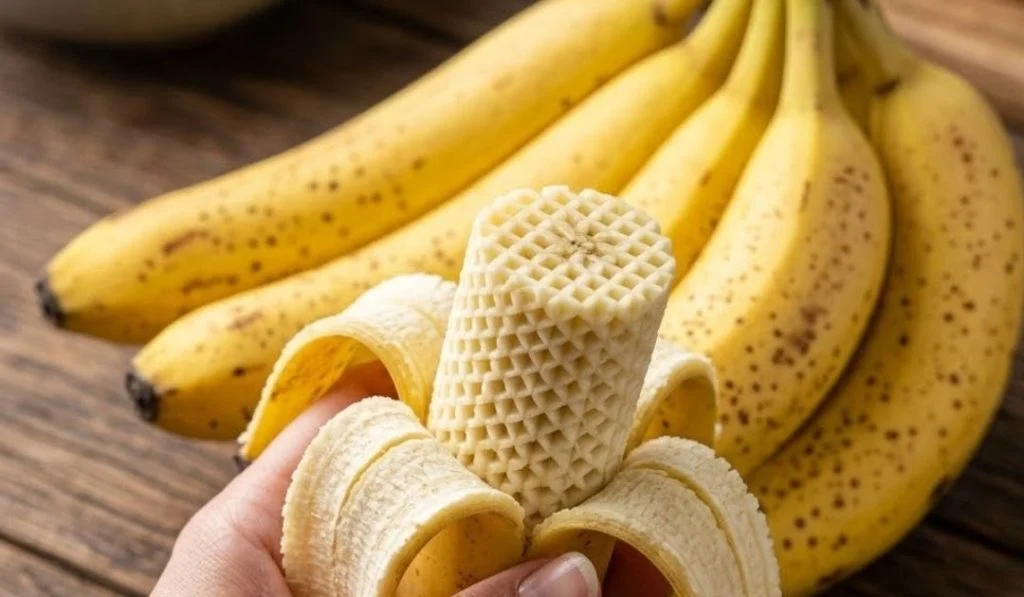
A banana a day is generally safe — and actively beneficial — for most adults over 60, according to nutritional evidence. Rich in potassium, fiber, and vitamin B6, the fruit addresses several of the key health concerns that come with aging. There are, however, documented exceptions depending on individual health conditions.
En bref
- —422 mg of potassium per banana helps lower blood pressure
- —Vitamin B6 deficiency rises sharply after age 60
- —Benefits vary significantly based on existing health conditions
422 mg of potassium per banana: a direct line to heart and blood pressure health
A single banana delivers 422 mg of potassium — a mineral that directly counters the effects of sodium in the diet, helping to lower blood pressure and reduce the risk of stroke. For adults over 60, who face a statistically higher risk of cardiovascular events, this is not a trivial amount.

The DASH diet — one of the most clinically studied dietary frameworks for managing hypertension — specifically encourages potassium-rich foods like bananas as a cornerstone of daily eating. For older adults already managing blood pressure, a banana fits naturally into that framework without requiring supplements or medication adjustments.
The combination of potassium and low sodium content makes bananas one of the more practical whole-food options for supporting cardiovascular health in a demographic where heart disease remains the leading cause of mortality.
3 grams of fiber per banana ease digestion for aging bodies — and medication side effects
Each banana contains 3 grams of dietary fiber, a combination of pectin and resistant starch that is notably gentle on aging digestive systems. As the gut slows with age, consistent fiber intake becomes one of the most practical dietary tools for preventing constipation and maintaining regularity.

The benefit is particularly relevant for adults over 60 who take medications known to slow gastrointestinal motility — a common side effect of opioid-based painkillers and iron supplements. In those cases, a daily banana can provide meaningful, food-based relief without additional pharmaceutical intervention.
Resistant starch, found in slightly less ripe bananas, also acts as a prebiotic, feeding beneficial gut bacteria. This supports broader digestive health at a stage of life when gut microbiome diversity tends to decline.
Why nutrition needs shift after 60
After age 60, the body absorbs certain nutrients less efficiently, and the risk of deficiencies in vitamins like B6 increases. At the same time, chronic conditions such as hypertension, kidney disease, and type 2 diabetes become more prevalent, making the impact of everyday dietary choices more significant. What is a neutral food choice at 40 can become either a genuine health tool or a risk factor, depending on an individual’s medical profile.
Suggested Posts
That green stuff inside your lobster? Experts say don’t eat it
Crack open a cooked lobster and you may find a bright green, paste-like substance tucked inside the body cavity. Known as tomalley, this substance…