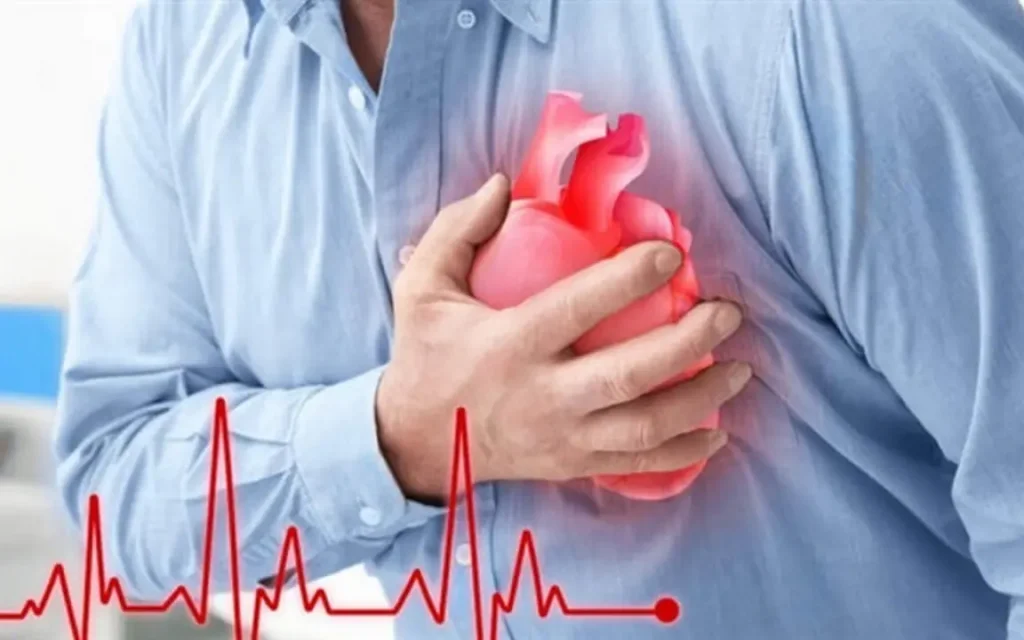
A heart attack, or myocardial infarction, occurs when a blood clot suddenly blocks blood flow to the heart, cutting off oxygen to the cardiac muscle. Without prompt treatment, the damage can be permanent — or fatal. Yet most heart attacks are preceded by warning signs that, if recognized in time, can make the difference between life and death.
In brief
- —Chest pain is the most classic symptom, but not the only one
- —Women often experience subtler signs — fatigue, nausea, jaw pain
- —Call emergency services immediately; never drive yourself to hospital
Chest pain, breathlessness and radiating discomfort: the three most recognized signals
The most well-known symptom remains chest pain or discomfort — a sensation of pressure, tightness, squeezing or burning felt in the center or left side of the chest. It may last several minutes or come and go in waves. Crucially, the pain does not have to be severe: even mild discomfort warrants attention.

Shortness of breath is another key signal, and it can appear with or without chest pain — including while resting or during minimal physical activity. Its presence alongside chest discomfort significantly raises the likelihood of a cardiac event.
Pain can also radiate well beyond the chest. Because the heart shares nerve pathways with other parts of the body, discomfort may spread to the shoulders, arms (especially the left arm), neck, jaw, back or stomach. This referred pain is sometimes the only physical signal a person notices.
What happens during a heart attack
A myocardial infarction occurs when a blood clot forms and completely obstructs an artery supplying the heart muscle. Deprived of oxygen, cardiac cells begin to die within minutes. The extent of permanent damage depends directly on how quickly blood flow is restored — which is why every minute between symptom onset and treatment counts.
Nausea, cold sweats and dizziness: symptoms frequently mistaken for other conditions
Some heart attack symptoms are easily confused with unrelated ailments. Nausea, vomiting, a bloated feeling or abdominal pain can closely mimic indigestion or a gastrointestinal problem, leading people to delay seeking help.

Breaking out in a cold sweat for no apparent reason is another warning sign — one that reflects the body reacting to severe physical stress. When this occurs alongside chest pain or other symptoms, it should be treated as a medical emergency.
Lightheadedness or dizziness can indicate that the brain is not receiving sufficient blood due to a cardiac problem. Like cold sweats, these sensations carry more weight when combined with chest discomfort or nausea.
Suggested Posts
Forgot Your Quarter at Aldi? Here’s How to Still Get a Cart
Arriving at Aldi without a quarter to unlock a shopping cart is a common frustration. Fortunately, the fix is usually just a few steps…