Yes, rice can grow bacteria, and you can’t always smell or see the danger. Bacillus cereus spores may survive boiling, and if the rice isn’t cooled and stored correctly, they can multiply. Even reheating doesn’t destroy the toxins they produce. 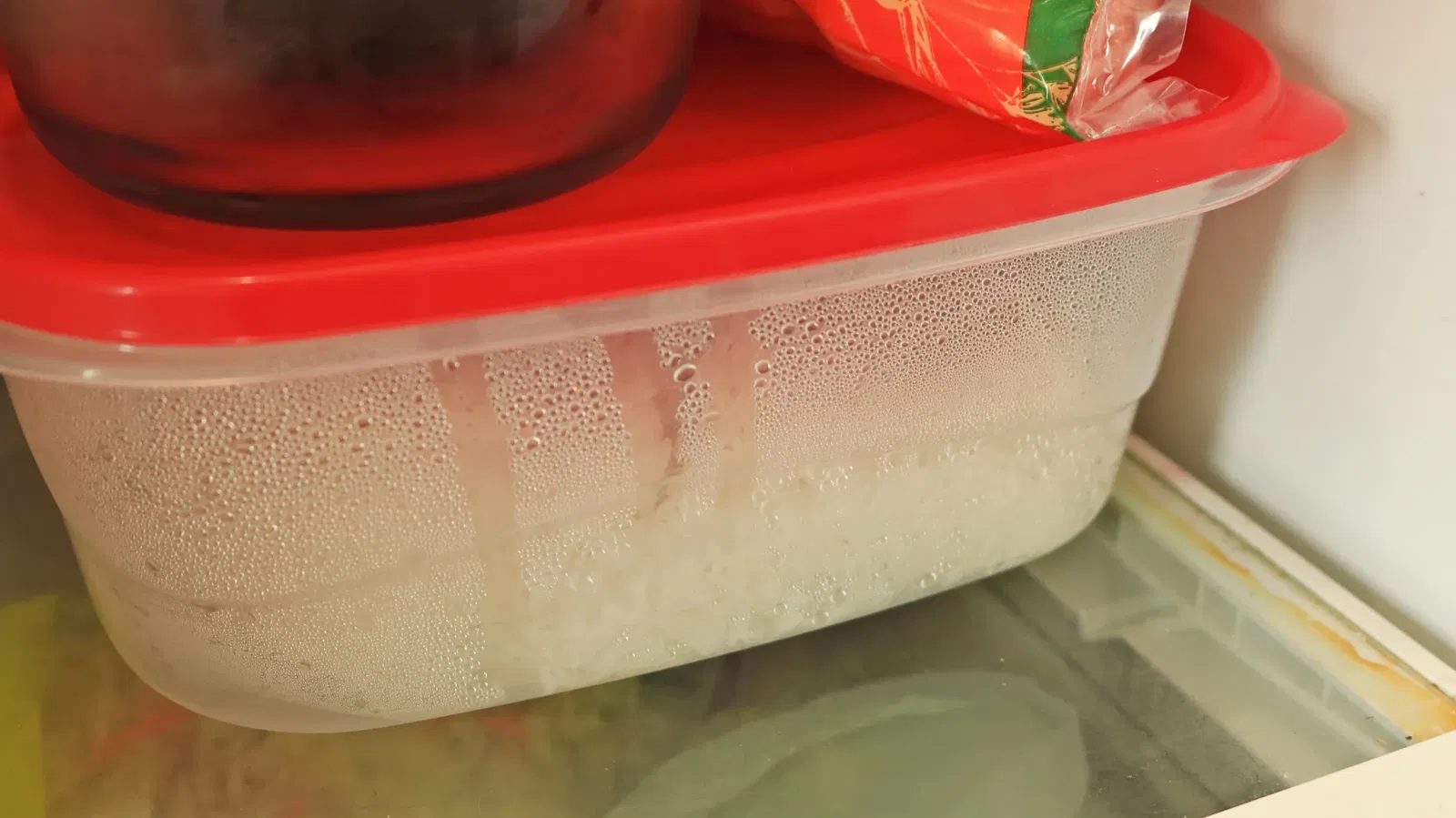
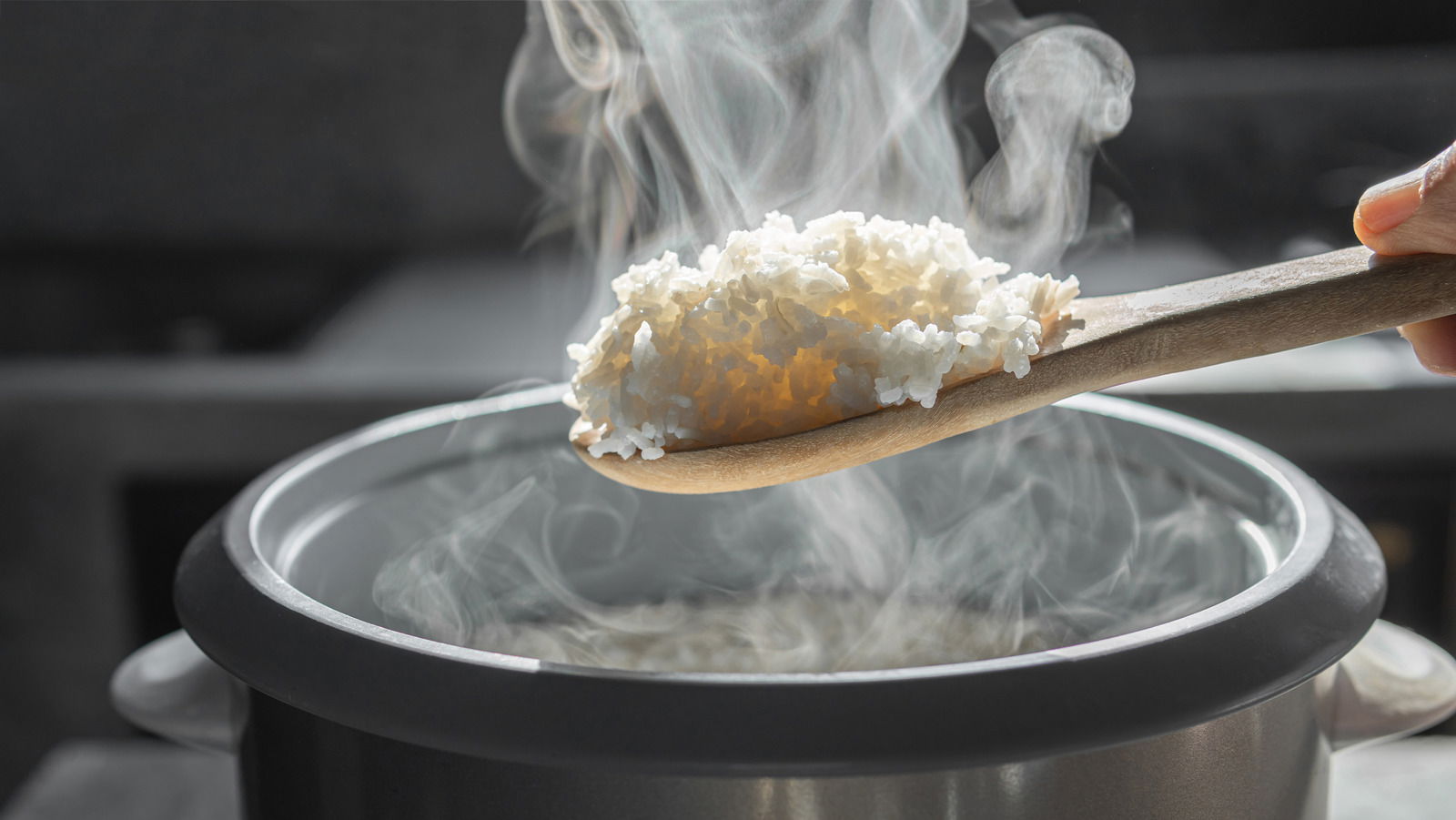
When rice is cooked, Bacillus cereus spores can survive heat.
If the rice sits out too long before refrigeration — or cools too slowly — spores thrive. Their toxins resist microwaving or reheating, which means **you can eat rice that tastes fine but still causes food poisoning.**
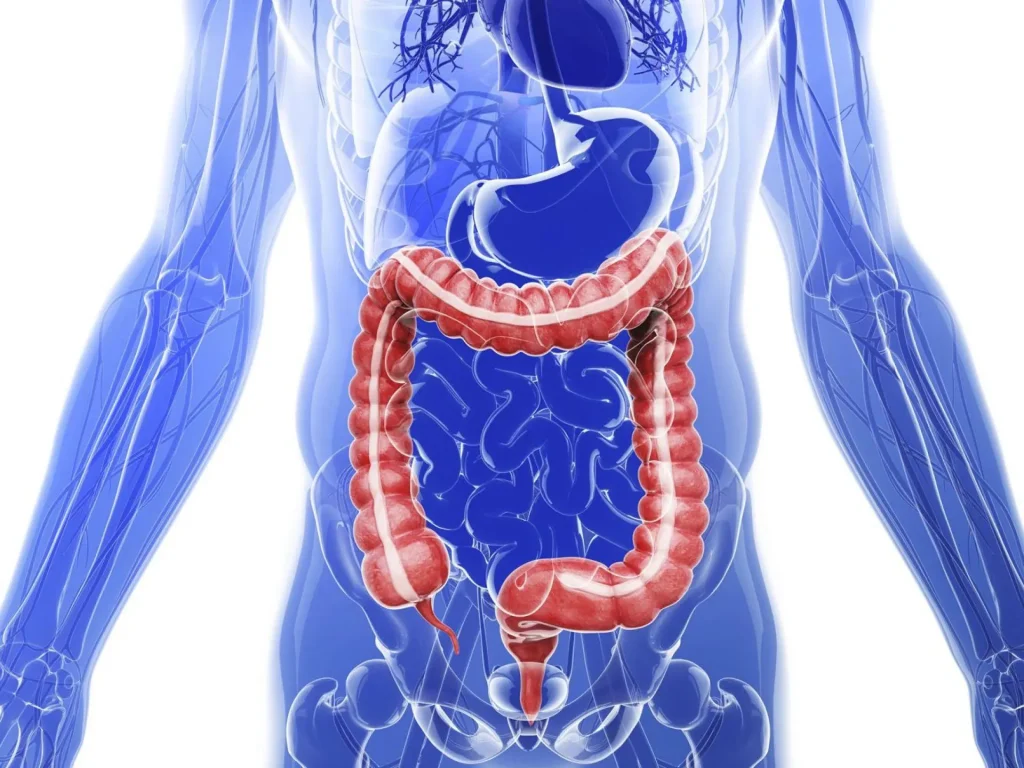
Symptoms include nausea, vomiting, and diarrhea, often within 1–5 hours of eating contaminated rice. While rarely fatal, these effects are serious, especially for children, elderly people, or those with weakened immunity.
So, how can you stay safe?
1. Cool rice quickly: Don’t leave it at room temperature for more than an hour. Spread it in a shallow dish so it chills fast before refrigeration.
2. Store properly: Use airtight containers and place rice in the coldest part of the fridge, not the door.
3. Eat within 1–2 days: Even under ideal storage, rice should be consumed promptly. After that, discard it.
4. Reheat only once: Heating rice multiple times raises risks. Only warm up what you plan to eat, and ensure it reaches at least 165°F (74°C).