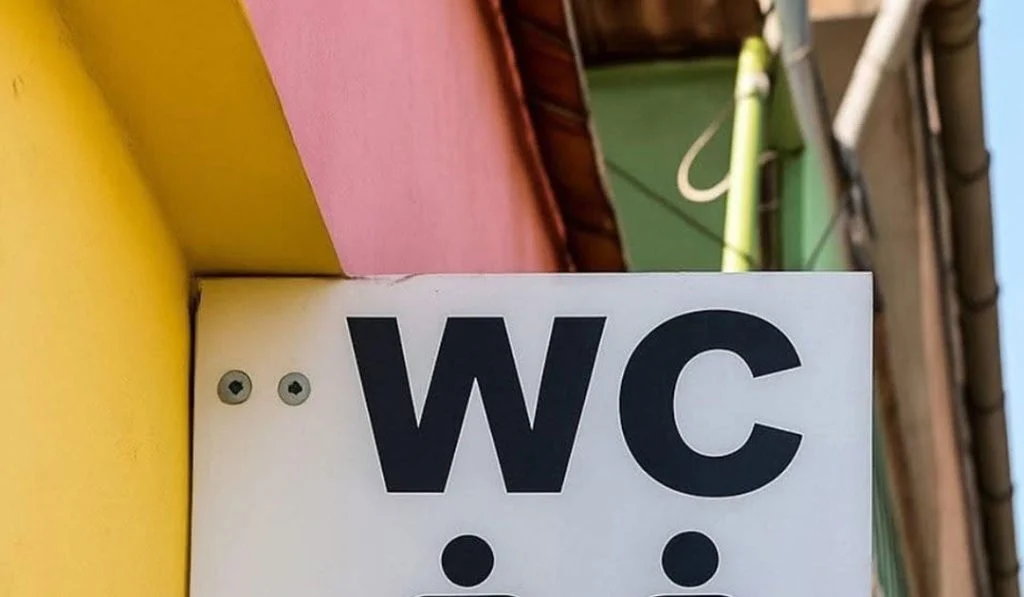
It appears on doors in hotels, restaurants, train stations and older buildings across the world — yet many people who use it daily have never stopped to wonder what WC actually means. The two letters stand for Water Closet, a term rooted in the history of indoor plumbing that dates back to the 19th century.
En bref
- —WC stands for Water Closet
- —The term dates back to 19th-century indoor plumbing
- —Still widely used in hotels, restaurants and public spaces
"Water Closet": the full name behind two familiar letters
WC is the abbreviation for Water Closet — a term that originally described a small, enclosed room built specifically to house a flush toilet. The name is straightforward once you know it: a closet-sized space where water was used to flush waste away.
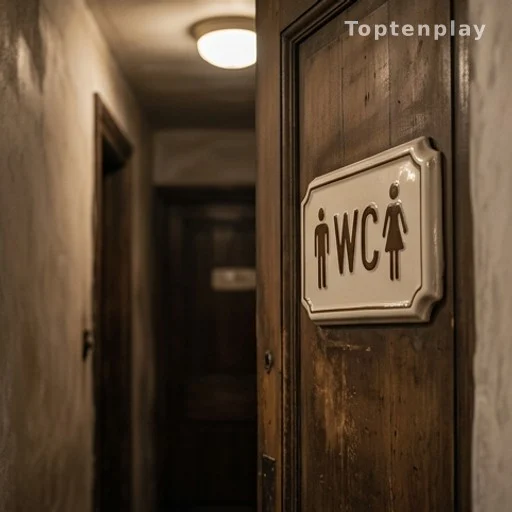
The expression emerged as indoor plumbing began making its way into private homes and public buildings. Before that, the idea of a dedicated, water-equipped toilet room inside a building was genuinely new — and it needed a name.
Over time, the full phrase Water Closet gave way to its abbreviation, which proved short enough to fit on a sign and universally understood enough to cross language barriers.
Before indoor plumbing
For most of human history, toilet facilities were located outside the main living space or shared among many households. The arrival of pressurized water systems and flush mechanisms in the 1800s transformed domestic architecture — and created the need for a new category of room, the water closet, that had no direct predecessor in everyday language.
19th-century plumbing brought toilets indoors — and created a new vocabulary
Before the widespread adoption of indoor plumbing in the 19th century, toilets were typically located outside the main living space — in outhouses, courtyards, or separate structures entirely. Bathing and toilet facilities were rarely combined in the same room.
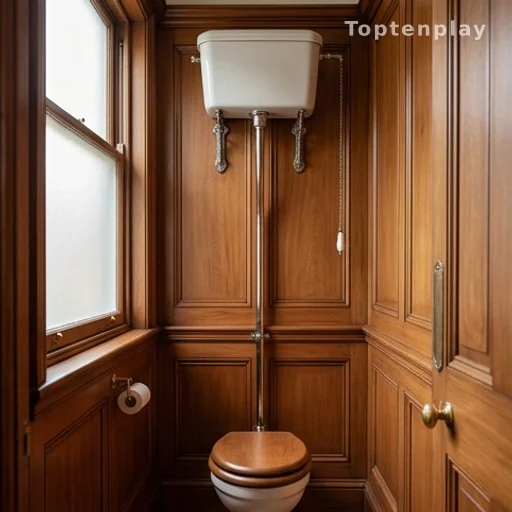
As flush toilet technology developed and water pipes began reaching private homes, architects and builders needed to accommodate a new kind of room: small, enclosed, and connected to a water supply. That room became known as the water closet.
The distinction mattered at the time. A bathroom contained a bath; a water closet contained a toilet. The two were separate spaces, and the terminology reflected that practical division.
Suggested Posts

Why eating eggs at night may actually help you sleep better
The headlines warning against eating eggs at night have been circulating widely — but the science points in a surprisingly different direction. Sleep specialists…