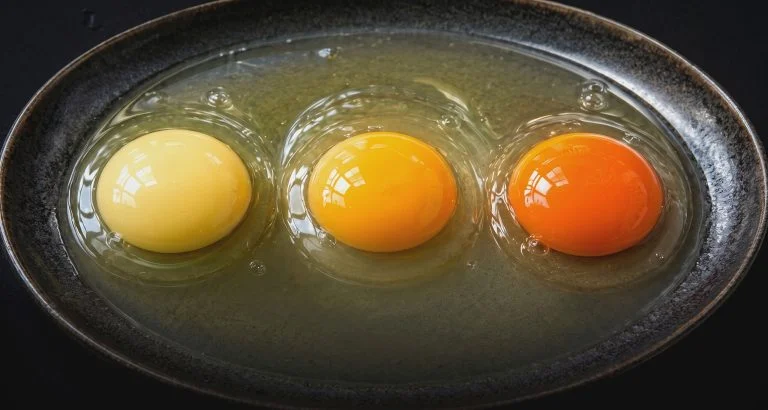
The headlines warning against eating eggs at night have been circulating widely — but the science points in a surprisingly different direction. Sleep specialists and nutrition researchers have identified three specific physiological reactions triggered by eating eggs in the evening, all of them potentially beneficial. From melatonin production to overnight tissue repair, the case for a light egg-based dinner is more grounded than the clickbait suggests.
En bref
- —Eggs contain tryptophan, a precursor to melatonin and serotonin
- —Evening egg intake may prevent disruptive 3 AM blood sugar dips
- —Preparation method is key to unlocking the sleep benefits
Tryptophan in eggs triggers melatonin and serotonin production
Eggs rank among the richest natural dietary sources of tryptophan, an essential amino acid the brain converts first into serotonin and then into melatonin — the hormone that governs the sleep-wake cycle. Consuming an egg in the evening effectively gives the brain the raw material it needs to begin the chemical transition toward deep, restorative sleep.
Suggested Posts

A mystery object in hand turns out to be a vintage tape dispenser
A small, polished golden-brown object sat in someone's hand with no obvious purpose — no label, no instructions, no obvious mechanism. Online searches and…