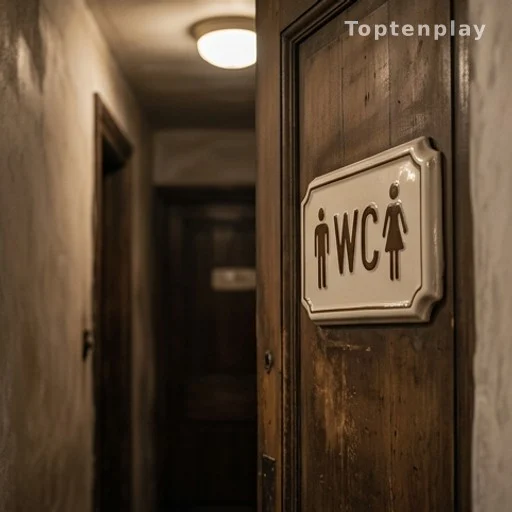
The expression emerged as indoor plumbing began making its way into private homes and public buildings. Before that, the idea of a dedicated, water-equipped toilet room inside a building was genuinely new — and it needed a name.
Over time, the full phrase Water Closet gave way to its abbreviation, which proved short enough to fit on a sign and universally understood enough to cross language barriers.
Before indoor plumbing
For most of human history, toilet facilities were located outside the main living space or shared among many households. The arrival of pressurized water systems and flush mechanisms in the 1800s transformed domestic architecture — and created the need for a new category of room, the water closet, that had no direct predecessor in everyday language.
19th-century plumbing brought toilets indoors — and created a new vocabulary
Before the widespread adoption of indoor plumbing in the 19th century, toilets were typically located outside the main living space — in outhouses, courtyards, or separate structures entirely. Bathing and toilet facilities were rarely combined in the same room.
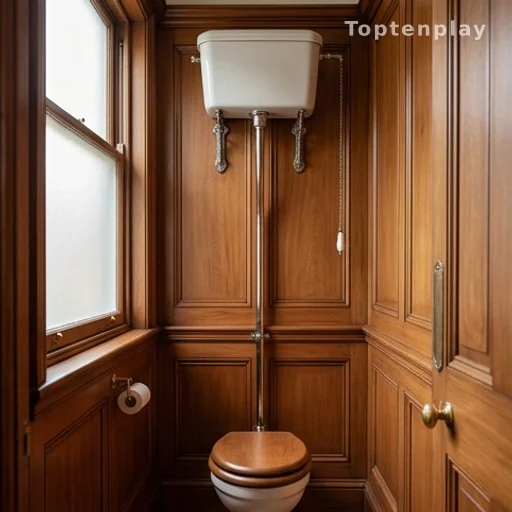
As flush toilet technology developed and water pipes began reaching private homes, architects and builders needed to accommodate a new kind of room: small, enclosed, and connected to a water supply. That room became known as the water closet.
The distinction mattered at the time. A bathroom contained a bath; a water closet contained a toilet. The two were separate spaces, and the terminology reflected that practical division.
From private homes to public signs: how WC became a global shorthand
As the concept of the indoor toilet spread through Europe and beyond, so did the terminology. WC became a practical, compact label that worked across languages — particularly useful in multilingual countries and international travel hubs like hotels and train stations.
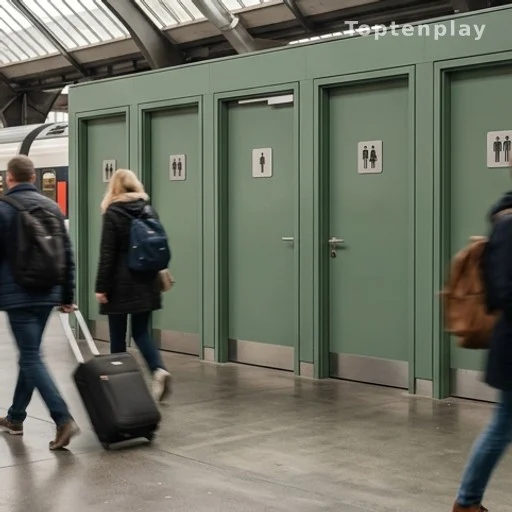
The abbreviation proved especially durable in continental Europe, where it remains the standard marking on public restroom doors in many countries. Travelers moving between France, Germany, Italy or Eastern Europe will encounter it consistently, regardless of the local language.
Suggested Posts

Egg yolk color doesn’t reveal what you think about your chicken
A deep orange egg yolk is widely taken as a sign of a healthier chicken and a more nutritious egg. That assumption is largely…