Sound therapy and hearing aids: masking the noise that won’t stop
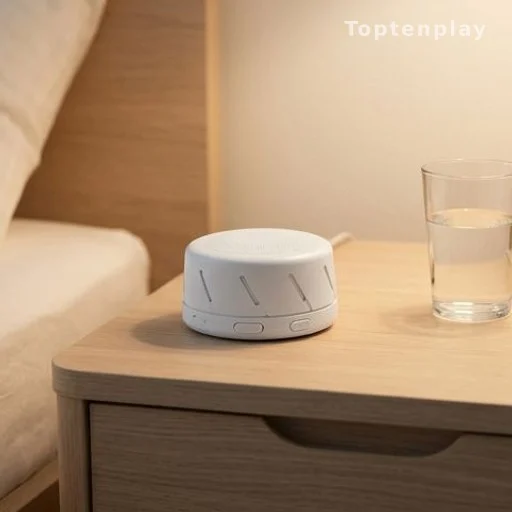
When tinnitus cannot be eliminated, masking it is a practical alternative. Sound therapy uses background noise — white noise machines, soft music, nature sounds such as ocean waves or rainfall, or even a running fan — to make the internal ringing less perceptible.
For people who also experience hearing loss, hearing aids can be particularly effective. By amplifying ambient sounds, they reduce the contrast that makes tinnitus seem so prominent. They also improve overall hearing clarity and reduce the auditory strain that can intensify symptoms.
A range of dedicated apps now offer white noise and nature soundscapes specifically designed for tinnitus relief, making sound therapy accessible without specialized equipment.
When to see a doctor: CBT, medication, and supplements as clinical options
Professional help becomes necessary when tinnitus persists for more than a week without improvement, interferes with sleep, work, or daily activities, or is accompanied by dizziness, hearing loss, or ear pain. These are the thresholds recommended for seeking a medical consultation.

Cognitive Behavioral Therapy (CBT) is one of the most recognized clinical approaches. Rather than targeting the sound itself, CBT helps patients reframe their emotional and psychological response to tinnitus, reducing its overall impact on daily functioning.
In more severe cases, a doctor may prescribe antidepressants or anti-anxiety medications. Zinc or magnesium supplements have also been suggested as potential supports for ear health — though the source explicitly advises consulting a doctor before beginning any new supplement regimen, as individual needs and interactions vary.