Tilapia is one of the most consumed fish worldwide—praised for its mild taste and affordability, yet sometimes questioned for how it’s farmed. Before adding it to your plate, it’s worth knowing both the health perks and the hidden risks.

Tilapia is a globally popular fish known for its mild flavor, budget-friendly price, and impressive nutritional profile. It offers a solid source of protein and key nutrients such as vitamin B12 and vitamin D. Still, certain farming methods raise safety and ethical concerns that could affect its quality. Here’s a closer look at both the benefits and the risks of eating tilapia.
What Is Tilapia?

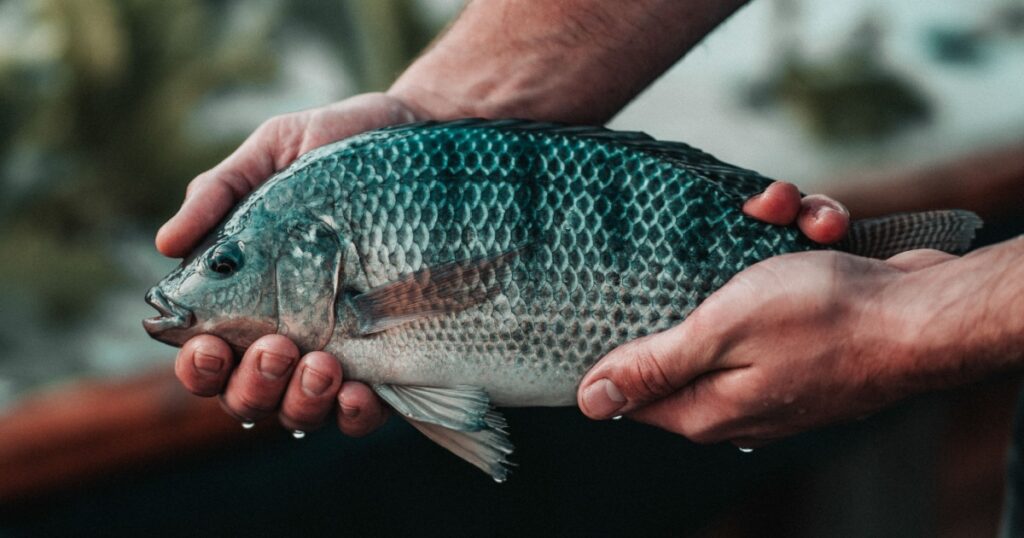
Tilapia is a freshwater species in the cichlid family, native to Africa and the Middle East, but now found worldwide. As an omnivorous fish, it thrives on both plant and animal matter, adapts easily to different environments, and reproduces quickly. In the United States, tilapia is often chosen as a cost-effective alternative to pricier fish like salmon or tuna. While it can live in fresh or saltwater, most U.S. tilapia comes from freshwater farms.
Benefits of Tilapia Fish Consumption
Tilapia offers several health benefits, making it a favorite for many health-conscious eaters. A 3.5-ounce serving packs around 23 grams of protein—vital for muscle repair, tissue health, and immune support. It’s also low in fat, particularly saturated fat, which is linked to heart disease. In addition, tilapia provides essential nutrients such as vitamin B12 for brain function and red blood cell production, and vitamin D for bone strength and potential cancer protection.
Potential Dangers of Tilapia Fish Consumption

Some tilapia farming operations use methods that can compromise safety. Since tilapia thrive in warm climates, they are often farmed in crowded, sometimes low-quality water environments to boost yield. These conditions can lead to disease outbreaks and exposure to harmful chemicals or pathogens, which may reach consumers through the food chain.
Some tilapia farmers feed the fish with food that may raise a health concern
In some cases, such as certain farms in China, tilapia are fed animal waste—including pig feces—which can introduce harmful bacteria like salmonella or E. coli. Additionally, tilapia has lower levels of omega-3 fatty acids compared to oily fish like salmon, meaning it offers fewer heart and brain health benefits. While still a better choice than processed meats, it may not provide the same nutritional punch as other fish.
Read More: What to Do if a Fishbone Gets Stuck in Your Throat
Choosing Ethically Sourced Fish

To ensure safer, more ethical tilapia, look for sustainability certifications. Labels such as “MSC Certified” or “Friend of the Sea” guarantee that fish are caught or farmed in environmentally responsible ways. When possible, opt for wild-caught fish over farmed varieties. Sustainable tilapia sources include pond farms in Ecuador, raceway farms in Peru, open-net pen farms in Mexico, Honduras, and Indonesia, and recirculating aquaculture systems in the U.S.
The Bottom Line

Tilapia can be a healthy, protein-rich addition to your diet when sourced from reputable suppliers. While it’s nutritious and low in fat, poor farming practices can pose health risks. By choosing sustainable, well-regulated sources and cooking it properly, you can enjoy tilapia as part of a balanced, wholesome diet.