Iodine, gluten, and surgery recovery: three more dietary pitfalls
Iodine is essential for thyroid function — but in excess, it can cause harm. Foods very high in iodine, such as seaweed and seafood, can worsen thyroid dysfunction and are particularly problematic for patients preparing for radioactive iodine treatment, a common therapy for thyroid cancer. Careful monitoring of iodine intake is therefore recommended during this phase.

Gluten-rich foods — including wheat, barley, and processed products like sausages and beer — may trigger inflammation and interfere with the absorption of thyroid medication. While not all thyroid patients require a fully gluten-free diet, limiting these foods is considered a sensible precaution according to medical advice.
Patients who have undergone thyroid surgery face an additional set of dietary restrictions during recovery. Hard and dry foods such as nuts, dried meats, and raw vegetables should be avoided to prevent swallowing difficulties and throat irritation. Spicy and acidic foods — including hot peppers, vinegar, and strong spices — are also discouraged post-surgery, as they can aggravate the throat. Sugary and refined foods round out the list, as excess sugar can worsen inflammation and contribute to weight gain, both of which may complicate thyroid disorders.
Brazil nuts, eggs, berries: the superfoods that support thyroid health
While the focus on restriction is important, doctors equally emphasize what thyroid patients should eat. Brazil nuts stand out as a particularly valuable food: they are rich in selenium, a mineral described as crucial for thyroid hormone production and for protecting cells against oxidative damage.
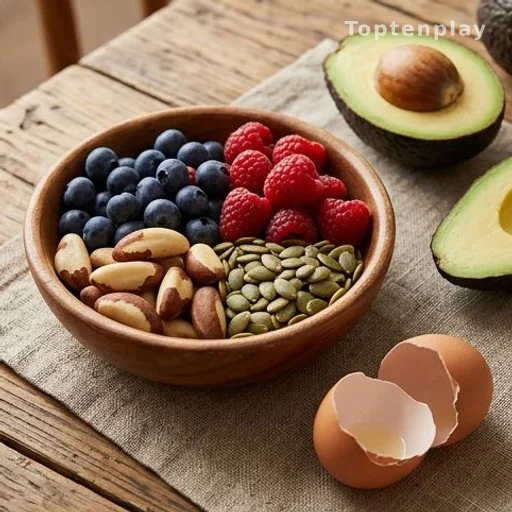
Eggs offer a natural combination of iodine, selenium, and vitamin D — three nutrients considered essential for thyroid health. Plain, low-fat yogurt is another recommended option, providing both iodine and probiotics that support gut health and nutrient absorption, both of which matter for patients managing a chronic condition.
Berries — strawberries, blueberries, and raspberries — are highlighted for their high antioxidant content, which helps combat oxidative stress and supports immune function. Apples contribute quercetin, an anti-inflammatory compound that aids detoxification. Avocados, rich in healthy fats, magnesium, and fiber, support hormone balance and metabolism, while pumpkin seeds provide magnesium and zinc, two minerals that help regulate thyroid hormone synthesis.