Posing, lighting, editing: how the illusion is manufactured
Even the images most commonly used to promote the thigh gap ideal are not what they appear. Many models and celebrities who seem to have a thigh gap in photographs owe the effect to strategic posing, lighting, or digital editing — not to their natural body shape.
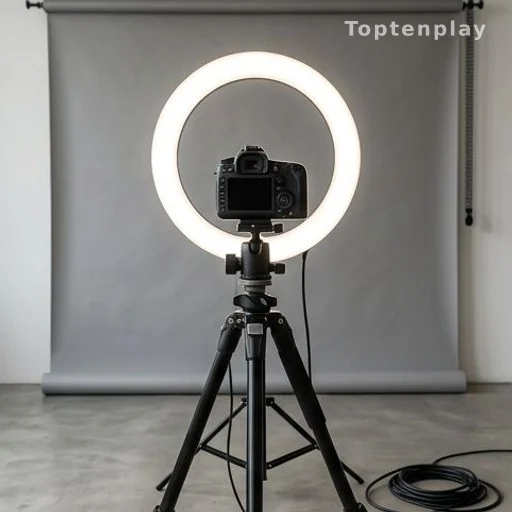
This manufacturing of the ideal makes it doubly unattainable: not only is the underlying trait genetic, but the reference images themselves are often artificially constructed. Women comparing themselves to these photos are, in many cases, measuring themselves against something that does not exist as shown.
The gap between the image and reality is rarely acknowledged in the content that promotes the trend. Tutorials and challenges present the goal as achievable through effort, without disclosing the role of camera angles or post-production — a form of omission that shapes how millions of users perceive their own bodies.
Extreme dieting and over-exercising: the documented health risks
The consequences of chasing an unattainable standard are not abstract. According to the source, the thigh gap ideal has been directly linked to extreme dieting and over-exercising, particularly among young women. These behaviors carry real health risks, from nutritional deficiencies to stress fractures and disordered eating patterns.
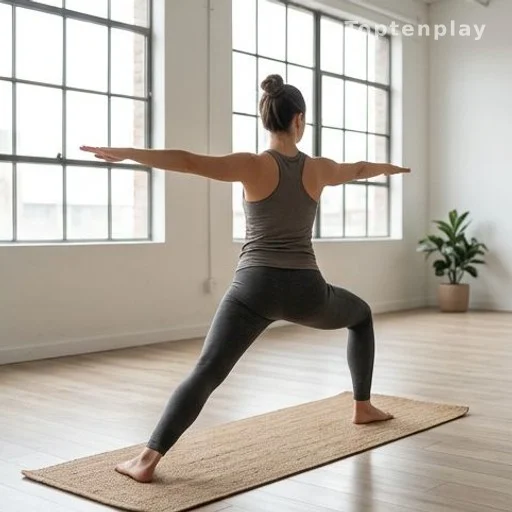
Health professionals point to strength training, mindful movement — such as yoga or Pilates — and self-compassion as more constructive approaches to physical well-being. These alternatives prioritize what the body can do over how it appears, a shift that mental health practitioners increasingly recommend as a counter to harmful social media influences.
The broader point, as framed by Dr. Perry’s assessment, is that "bodies aren’t meant to fit a single mold." Diversity in shape and skeletal structure is biological reality. A fitness or health goal built around a trait that most people cannot physically achieve — regardless of effort — is not a wellness standard. It is, by definition, an impossible one.