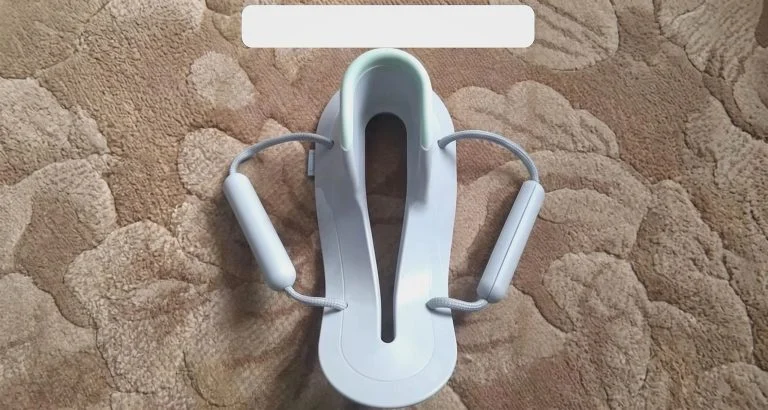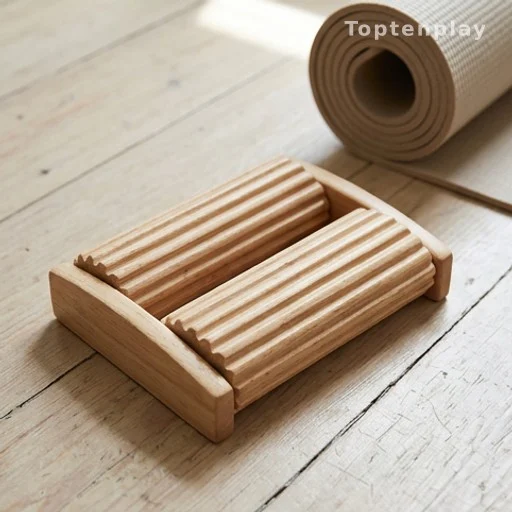
The surface is not smooth. Ridges, knobs, or grooves are built into the tool to concentrate pressure at specific points — mimicking what a trained therapist’s thumbs would do during a deep-tissue session. The goal is to replicate that level of sustained, focused pressure without a clinic visit.
Materials vary: hardwood, bamboo, and durable resin are the most common. Some resin versions are designed to be chilled before use, adding a cooling element that can help with acute soreness or post-exercise inflammation.
What is plantar fasciitis?
Plantar fasciitis is one of the most common causes of heel pain, affecting an estimated one in ten people at some point in their lives. It occurs when the plantar fascia — the band of tissue connecting the heel bone to the toes — becomes inflamed, typically from overuse, prolonged standing, or insufficient arch support. First-step morning pain is its hallmark symptom.
Up to 40% less morning heel pain when combined with stretching
The most documented benefit targets plantar fasciitis — a condition caused by inflammation of the thick band of connective tissue running along the underside of the foot, from the heel to the toes. Morning heel pain, that sharp first-step discomfort, is its most recognizable symptom.
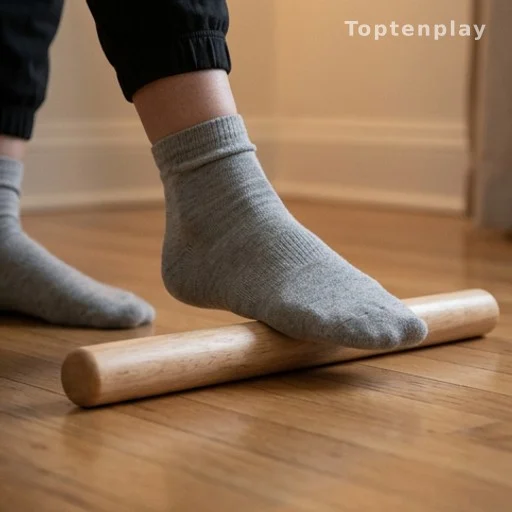
Studies show that self-massage combined with stretching reduces morning heel pain by up to 40% in mild-to-moderate cases. Rolling the foot over the stick helps break up tension stored in the plantar fascia, gradually loosening the tissue and improving its tolerance to load.
The mechanism aligns with established physical therapy principles: sustained pressure on soft tissue increases local blood flow, reduces stiffness, and can interrupt the pain-tension cycle that makes plantar fasciitis so persistent. The roller makes this intervention accessible at home, before getting out of bed or after a long day standing.
Who stands to gain the most from daily use
The tool is particularly relevant for three groups: people who spend most of their working day on their feet, those already managing a plantar fasciitis treatment plan, and anyone looking for a low-effort daily self-care habit for foot health.
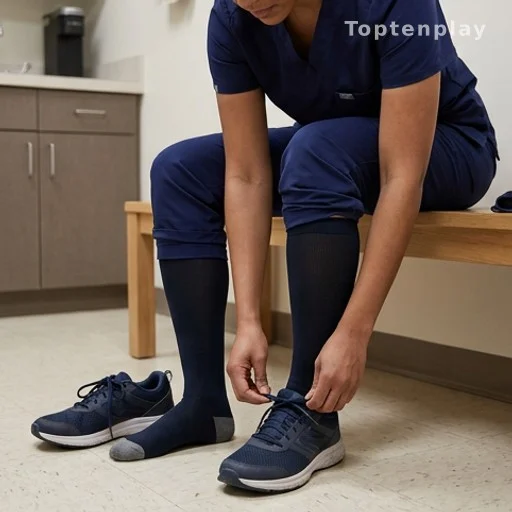
For workers in retail, healthcare, hospitality, or construction — professions that involve hours of standing or walking on hard surfaces — cumulative tension in the arch and heel is a near-universal complaint. A short rolling session at the end of a shift targets exactly that kind of built-up tightness.
Suggested Posts

The Oregon man jailed for water collection — and why your rain barrel is different
The story of an Oregon man jailed over water collection has fueled widespread alarm about rain barrels. But the reality behind that case is…