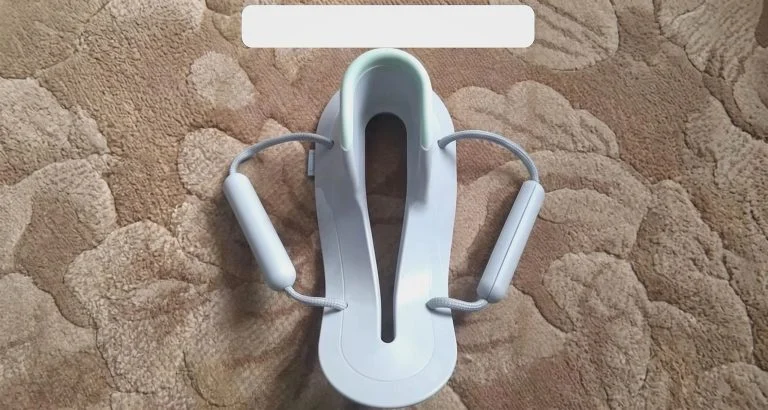
For those in active physical therapy for foot pain, the roller can serve as a between-session maintenance tool, extending the benefit of clinical treatment into daily life without adding cost or travel.
Chilled resin, bamboo or hardwood: choosing the right version
Not all foot rollers perform the same way. Hardwood and bamboo versions offer firm, consistent pressure and are well-suited to daily maintenance use. Their rigidity means the tool does not flex under body weight, delivering the same intensity every time.
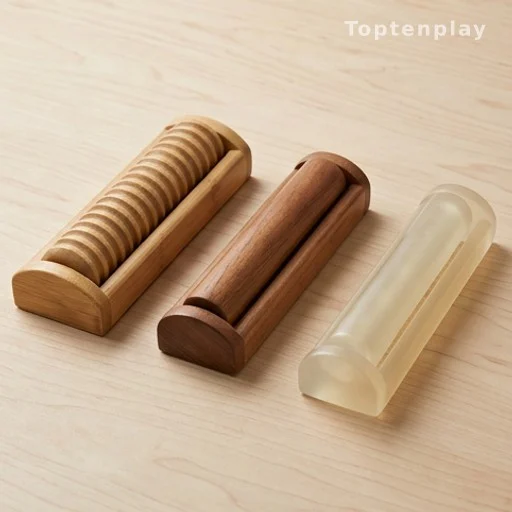
Resin models, particularly those designed to be refrigerated before use, add a therapeutic cold element. Chilling the roller before a session can help manage acute inflammation — useful after a run, a long hike, or a flare-up of heel pain. The cold does not replace ice therapy but provides a gentler, more controlled version of it.
The choice ultimately depends on the user’s primary need: firm daily pressure for chronic tension, or a cooler, more soothing option for post-activity recovery. Both formats are grounded in the same underlying principle of targeted soft-tissue mobilization.
For people already using a foot roller, the next logical step is integrating it into a consistent stretching routine — physical therapists typically recommend pairing rolling with calf stretches and toe extensions for compounding benefit. For those with persistent or worsening heel pain that does not respond to self-massage after several weeks, a formal evaluation for plantar fasciitis treatment remains the appropriate course, as severe cases may require orthotics, corticosteroid injections, or targeted physiotherapy.
Suggested Posts

Can you spot the large dog hiding in this kitchen photo?
A photo shared by Christina Suvo and reported by 7 News Perth has been fooling viewers around the world: what looks like a perfectly…