
Diet also plays a significant role. A high-sodium diet encourages the body to retain water, while heat and humidity cause blood vessels to expand and leak more fluid into surrounding tissue. Pregnancy is another well-documented cause, combining hormonal shifts with increased pressure on the veins returning blood from the legs.
These everyday factors explain why so many people notice swelling specifically in the evening — it is the result of hours of gravitational pressure and reduced movement accumulating throughout the day. In most cases, a night’s rest is enough to resolve it.
What is peripheral edema?
Peripheral edema is the medical term for swelling caused by fluid accumulation in the body’s tissues, most commonly the lower legs and ankles. It affects a broad range of people — from those who spend long hours on their feet to patients managing chronic conditions such as heart disease, kidney disease, or venous insufficiency. Some medications, including certain blood pressure and diabetes treatments, can also trigger it as a side effect.
When swelling points to a serious condition — including blood clots
Not all ankle swelling is harmless. According to the source, venous insufficiency — a condition where the valves inside leg veins weaken and fail to push blood efficiently back to the heart — is a common medical cause of recurrent edema. Left unmanaged, it can worsen over time.
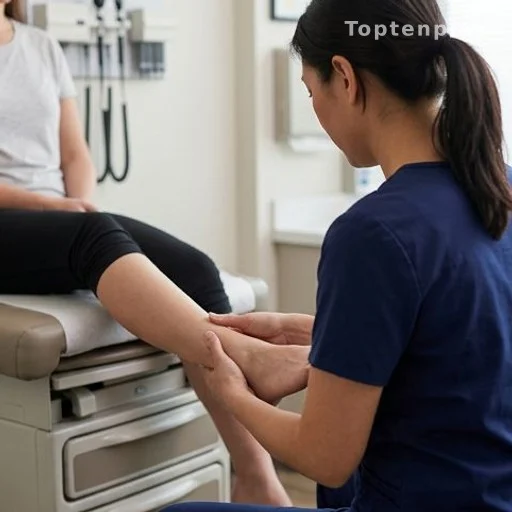
Heart disease and kidney disease are also on the list. Both conditions can impair the body’s ability to regulate fluid, leading to buildup in the lower limbs. The source notes that swelling accompanied by shortness of breath, chest pain, or persistent fatigue should be treated as a potential cardiac warning sign requiring prompt medical attention.
The most urgent scenario is swelling in only one leg. This asymmetry can indicate a deep vein thrombosis (DVT) — a blood clot that, if it travels to the lungs, becomes life-threatening. The source is explicit: one-sided swelling warrants urgent medical evaluation, not a wait-and-see approach. Lymphedema, caused by a blockage in the lymphatic system, is another possible diagnosis when swelling is chronic and does not respond to rest.