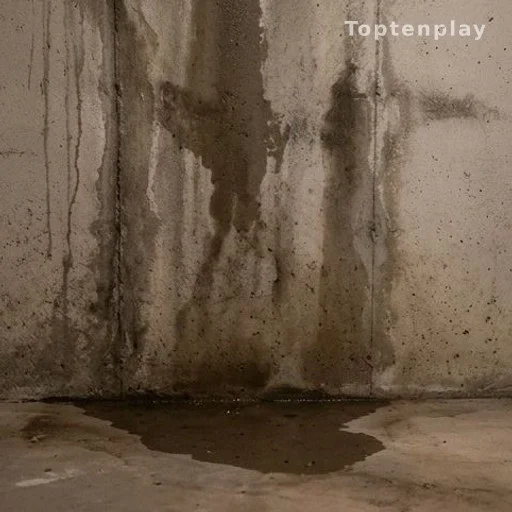
These conditions do more than attract slugs. Left unaddressed, persistent moisture can lead to mold growth and, over time, structural damage to walls, floors, and foundations. A slug sighting can therefore serve as an early alert to a problem that would otherwise go unnoticed until it becomes costly.
The recommended first step is a thorough check of all visible plumbing, particularly under sinks and around appliances. Reducing indoor humidity with a dehumidifier or by improving airflow — opening vents, checking extractor fans — can make the interior environment far less inviting for slugs and far healthier for the home overall.
Gaps under doors and foundation cracks: how slugs find their way in
One of the more surprising facts about slugs is how little space they need to enter a building. Gaps under doors, worn weather stripping around window frames, hairline cracks in the foundation, and openings where utility lines pass through walls are all common entry points.
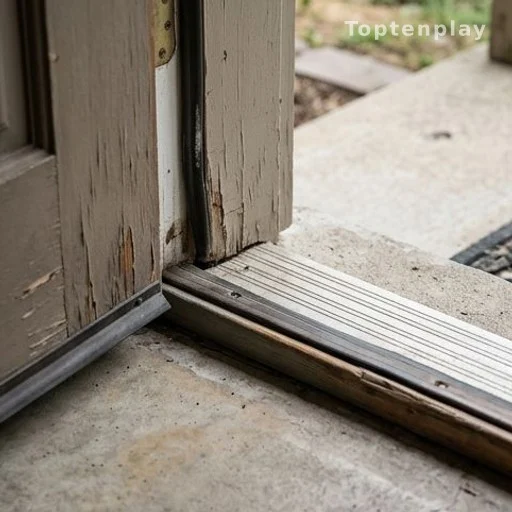
If slugs are appearing inside consistently, there is almost certainly a physical gap that needs sealing. A careful inspection of the home’s perimeter — at ground level and around every door and window frame — is the practical next step.
Sealing these openings with caulk or fresh weather stripping is a straightforward home repair task that pays off beyond slug prevention. Sealed gaps also improve energy efficiency and reduce the entry of other pests. Addressing them promptly is one of the more cost-effective forms of home maintenance available to any homeowner.
Why slug activity increases in certain seasons
Slugs are most active in cool, wet conditions — typically autumn and spring in temperate climates, or during and after periods of heavy rainfall. This is when indoor sightings spike, as saturated outdoor ground pushes them to seek drier surfaces. Homes with existing moisture or structural damage issues are particularly vulnerable during these periods.