Stay in the car, drive to safety: the steps that protect you
The single most important rule if you hear an unusual noise and suspect a bottle on your tire: do not stop in an isolated area. Keep your doors locked and stay inside the vehicle.
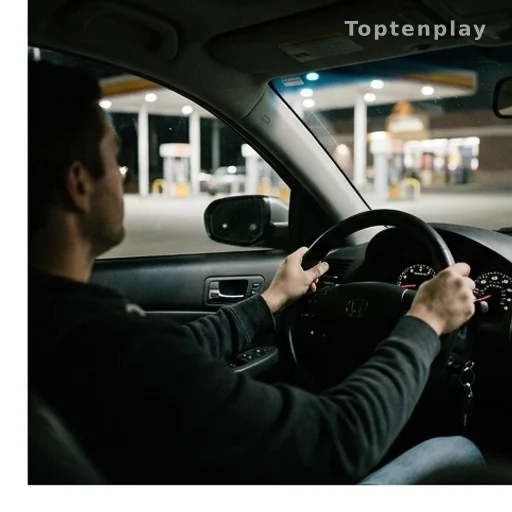
Drive directly to a safe, well-lit, and populated location — a petrol station, a police station, or a busy car park. The noise may be alarming, but a plastic bottle will not damage your tire or your car in the short distance it takes to reach safety.
Once you are in a secure location, scan your surroundings carefully before opening the door. If anything feels wrong, call the police before getting out. Reporting the incident helps law enforcement track where and how often this tactic is being used in your area.
Only remove the bottle once you are confident the environment is safe. If you believe you were targeted deliberately, treat it as an attempted crime and file a report — not just for your own protection, but to alert others in the same area.
What not to do: the mistakes that turn a scare into a crime
Pulling over immediately in a deserted street or an empty car park is the response criminals rely on. The more isolated the stop, the less chance there is of a witness, a bystander, or a camera nearby.
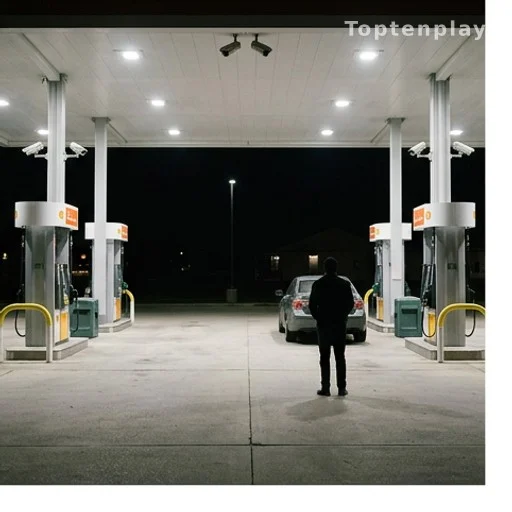
Getting out of the car the moment you hear the noise — before assessing where you are and who is around — removes your most important layer of protection: the locked vehicle itself. An open car door in an empty space is an invitation.
Ignoring your instincts is equally risky. If the area feels wrong, if you notice someone watching your car, or if the noise started right after you left a specific location, treat those signals seriously. Criminals who use this method often follow their target from a car park or a shopping area.
The broader lesson from law enforcement guidance is straightforward: never let an unexpected noise override your awareness of your surroundings. A mechanical check can always wait until you reach a safe place. Your safety cannot.
Law enforcement agencies have not publicly linked this tactic to a specific region or criminal network, leaving open the question of how widespread it currently is. Drivers who believe they have been targeted are encouraged to file a police report, which helps build a clearer picture of where the method is being used. The key practical question going forward is whether local authorities will issue formal public warnings — and whether car park operators and petrol stations will be prompted to increase surveillance in response.
Suggested Posts

A mystery object in hand turns out to be a vintage tape dispenser
A small, polished golden-brown object sat in someone's hand with no obvious purpose — no label, no instructions, no obvious mechanism. Online searches and…