The Fusion Concept Reinventing The Classic Taco
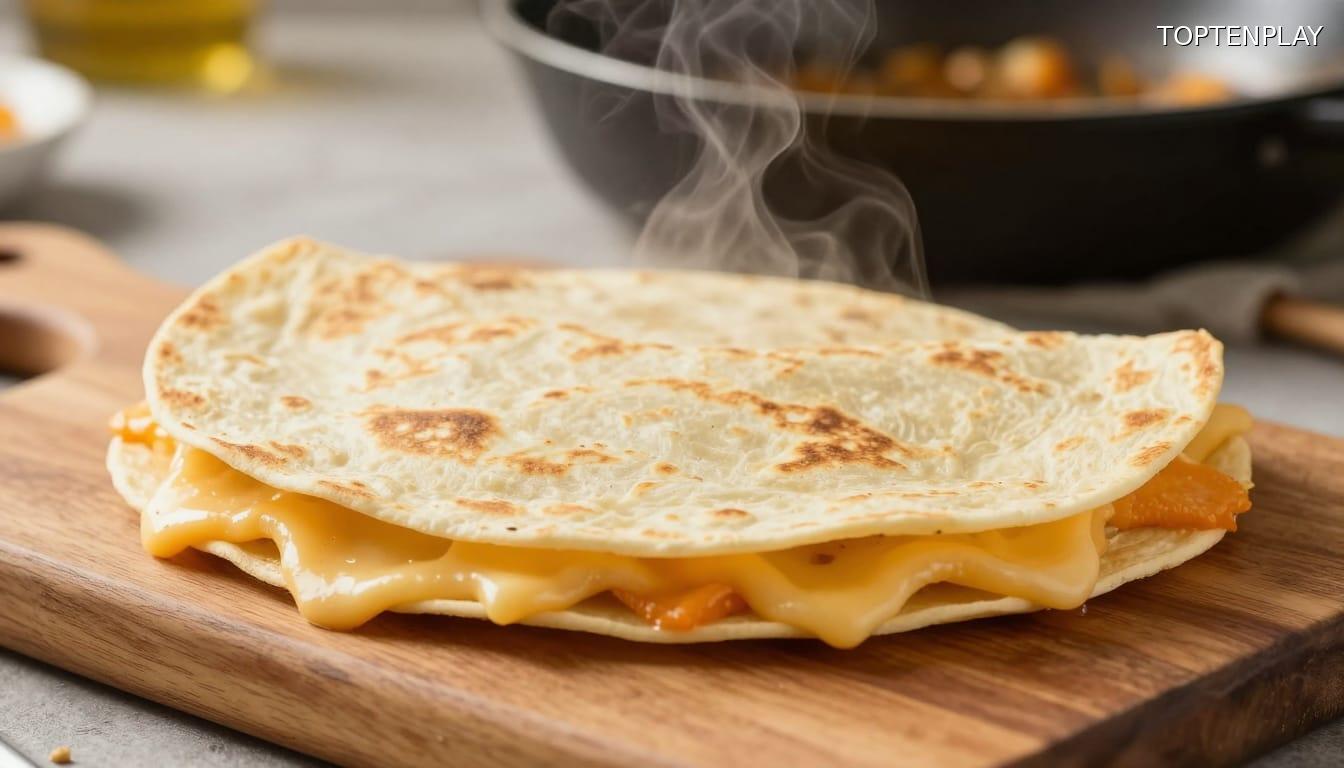
Culinary innovation often arises from the bold collision between two classics. These Loaded Cheesy Pocket Tacos embody this alchemy: they marry the overflowing creaminess of a quesadilla with the practical and playful shape of the taco, all wrapped in a crispy pocket browned in a pan. This hybridization is not just a simple assembly – it redefines the Mexican snack into a portable format, perfect for grabbing with one hand during a lively sports night or a casual family dinner.
The strength of this creation lies in its versatility of use. Whether you are organizing a gathering for the Sunday game, looking for a playful option to delight picky children, or simply craving a comforting late-night snack, these cheesy pockets adapt to every context. Unlike the traditional taco that lets its filling escape or the quesadilla that requires a plate and cutlery, this ingenious format traps all the ingredients in a hermetic and crunchy envelope.
The promise is clear: a guaranteed success with your guests. The characteristic gooey texture of melted cheese meets the crunch of the pan-seared tortilla, creating that irresistible contrast that transforms a simple meal into a memorable taste experience. This recipe requires only 15 minutes of preparation and 20 minutes of cooking to produce 8 generous pockets, an efficiency-satisfaction ratio rarely achieved in fusion cuisine.
A Flavor Architecture In Triple Cheese Layers
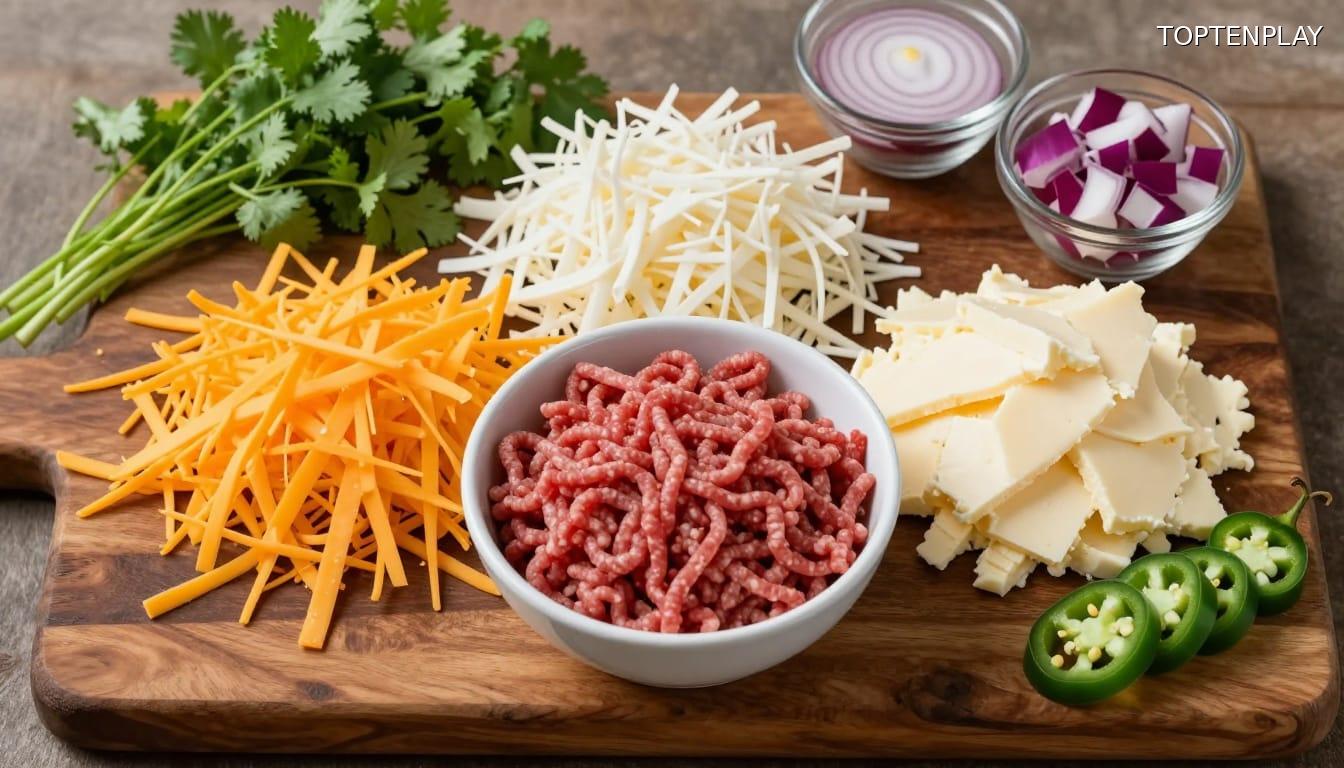
This reinvention of the taco relies on a carefully orchestrated tripartite cheese strategy. Cheddar brings its pronounced character and iconic orange color, while Monterey Jack offers a milder creaminess that melts uniformly. But the true secret lies in the addition of softened cream cheese – half a cup that acts as a creamy binder between the shredded cheeses, guaranteeing that gooey texture that doesn’t seize up as soon as it first cools.
The protein base uses 450 grams of 80/20 ground beef, specifically recommended to maximize flavor without excess fat. The seasoning comes from a commercial taco seasoning packet diluted in 125 ml of water, a pragmatic approach that ensures reproducible consistency. This seasoned meat forms the foundation on which the entire taste construction rests.
Freshness comes in through strategic touches: 60 ml of finely diced red onion for a slightly pungent crunch, a quarter cup of chopped fresh cilantro which brings its characteristic herbal note, and for heat lovers, two tablespoons of finely sliced pickled jalapeños. These aromatic elements are not mere decorative garnishes – they balance the cheesy richness and create a complexity in the mouth that distinguishes these pockets from their frozen commercial cousins.
The proportions are calibrated to produce exactly eight generously filled pocket tacos, with no surplus or shortage. This layered architecture transforms accessible ingredients into a coherent culinary construction where each component fulfills a precise function in the final experience.
The Assembly Technique For Perfect Pockets
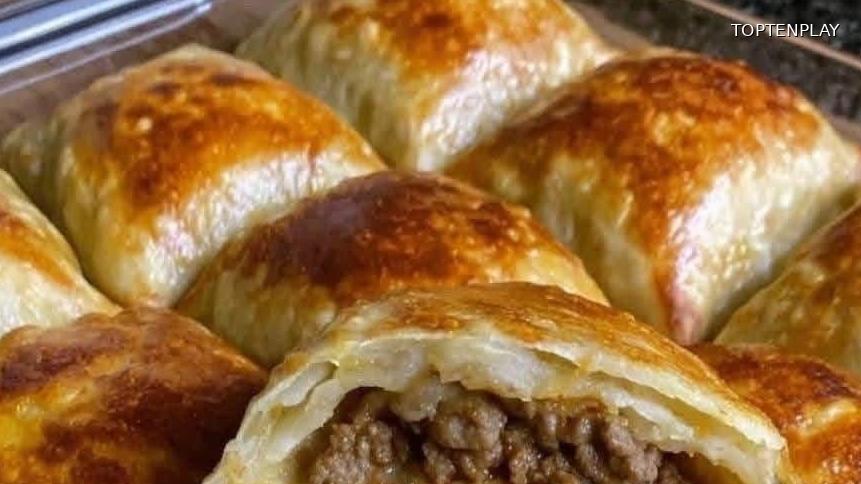
The success of these pocket tacos relies on a methodical preparation that transforms ordinary tortillas into crispy envelopes. 8-inch burrito-sized tortillas are the optimal support – large enough to hold the generous filling, flexible enough to fold without cracking. Versions that are too small would compromise the filling-to-envelope ratio, while XXL formats would make folding hazardous.
Preparing the filling first requires browning the 450 grams of 80/20 ground beef until completely colored, a step that takes about 8 minutes over medium-high heat. This specific fat ratio is not accidental: it releases enough juice to hydrate the meat without creating a greasy puddle that will soak the tortillas. Once the beef is cooked, the taco seasoning and water are incorporated for a reduction of 4 to 5 minutes until a thick consistency is obtained that sticks to the meat rather than running.
Then comes the room temperature mixing: the slightly cooled meat joins the three cheeses, onion, cilantro, and optional jalapeños in a large bowl. This off-heat step prevents the cream cheese from liquefying prematurely. The filling must be malleable but cohesive – neither too liquid nor too dry.
The final cooking combines 2 tablespoons of melted butter and the same amount of vegetable oil in a pan over medium heat. This fat duo creates a uniform golden crust in 3 to 4 minutes per side, with the butter providing the taste and the oil preventing burning. Fifteen minutes of preparation, twenty of cooking: a formidable efficiency for a result that seems much more elaborate than it actually is.
Customization And Service For A Complete Experience
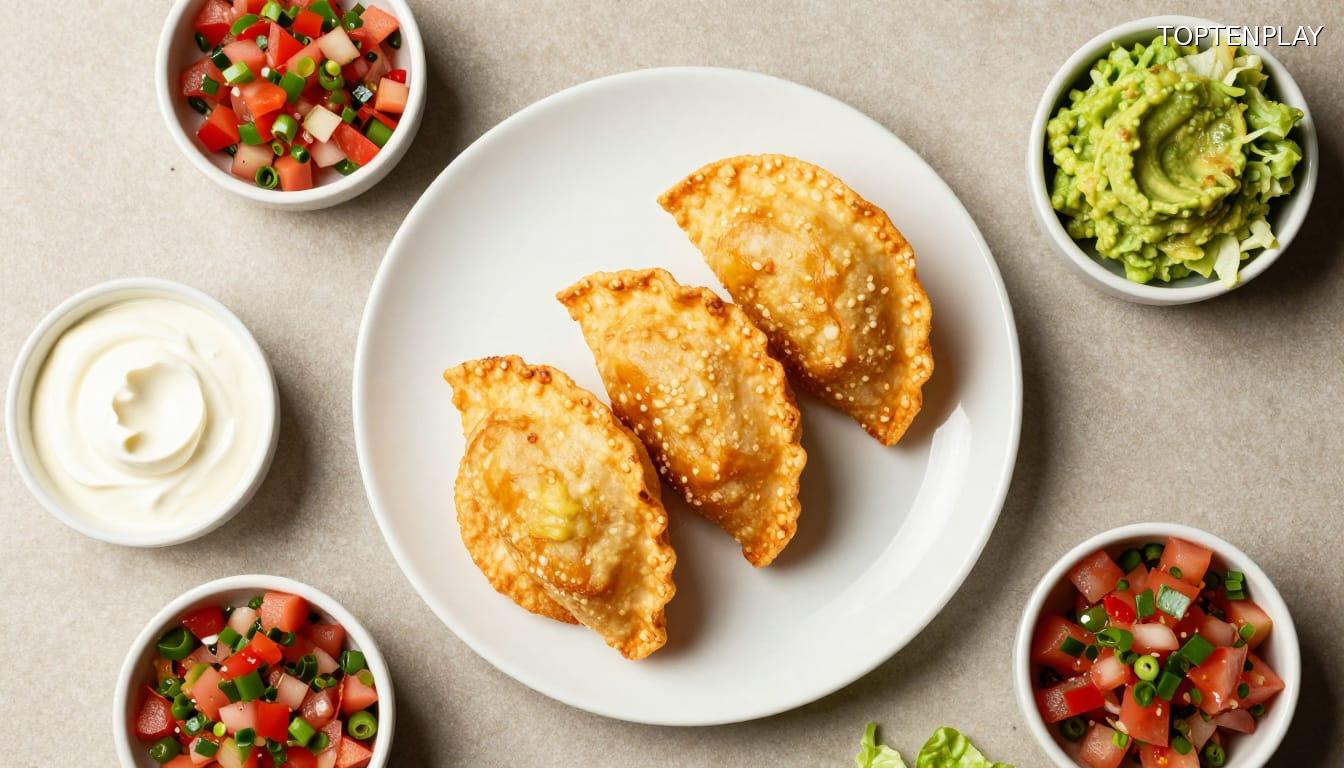
Once the golden and steaming pockets come out of the pan, the real show begins at the table. These pocket tacos are self-sufficient thanks to their generous filling, but it is the ecosystem of sides that transforms them into an interactive gastronomic experience. Sour cream to temper the spice, salsa for bright acidity, creamy guacamole, crunchy shredded lettuce, fresh pico de gallo: each guest composes their plate according to their preferences.
Modularity begins during preparation with the finely chopped pickled jalapeños. Their optional presence in the filling allows the heat level to be adjusted without excluding sensitive palates – a particularly wise strategy during family dinners where mildness lovers and thrill seekers coexist. For an even more customizable version, prepare two separate batches of filling: one neutral, the other spicy.
The generous format of this recipe – eight substantial pocket tacos – adapts as well to a casual buffet as to an individual service with two pieces per person. The enigmatic mention “instructions on next page” in the original recipe hints at advanced folding techniques, perhaps the sealed envelope method that prevents any filling leakage, or the secret of cooking without hot spots.
This flexibility transforms a simple snack into an evolving culinary platform, where each preparation can become unique according to the available ingredients and the cook’s boldness.