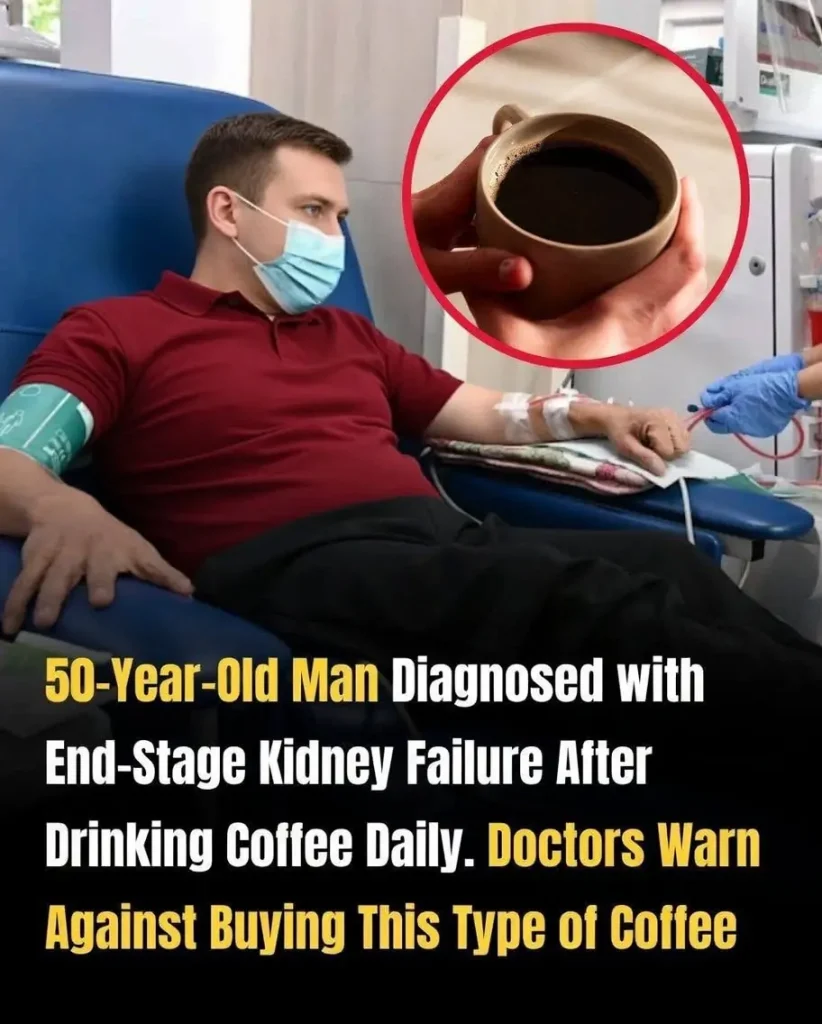
The case of a 50-year-old man who developed end-stage kidney failure after years of daily coffee consumption has prompted renewed scrutiny — not of coffee itself, but of what may be lurking inside certain coffee products. Health experts warn that contaminated, counterfeit, or heavily adulterated coffee can expose consumers to potentially harmful substances over time. Moderate coffee consumption, they emphasize, is not typically linked to kidney failure in otherwise healthy adults.
In brief
- —A 50-year-old man developed end-stage kidney failure after years of daily coffee
- —Experts point to low-quality or adulterated products, not coffee itself
- —Kidney disease often progresses silently; screening recommended after age 40
A case of kidney failure that experts say requires careful interpretation
Reports describe a middle-aged man who consumed coffee daily for many years before experiencing worsening fatigue and swelling. Medical evaluation eventually revealed severe kidney damage that had progressed to end-stage kidney failure.


Physicians caution against concluding that coffee was the direct cause. Kidney disease typically develops over many years and involves multiple contributing factors, including high blood pressure, diabetes, genetic predisposition, smoking, obesity, chronic dehydration, and exposure to toxins.
The concern raised by medical experts was not daily coffee drinking in itself, but the possibility that poor-quality coffee products may expose consumers to harmful substances over prolonged periods — a distinction they consider critical.
Coffee and kidney health: what research generally shows
Numerous studies have suggested that moderate coffee consumption may offer certain health benefits, including support for heart health, brain function, and metabolism. Research has not established that drinking coffee in reasonable amounts causes kidney failure in healthy individuals. The debate around this case focuses specifically on product quality and contamination, not on coffee as a beverage category.
Four categories of coffee products that may carry hidden risks
Coffee beans improperly stored in humid conditions can develop mold that produces compounds called mycotoxins. Although regulatory agencies monitor food safety standards, poorly processed or improperly stored products may contain higher levels than expected, potentially causing digestive discomfort, inflammation, and long-term exposure risks.

In some markets, food safety investigations have uncovered counterfeit coffee products containing artificial coloring agents, roasted fillers, industrial additives, and low-grade ingredients. These substances may place unnecessary stress on the kidneys and liver. Products with unclear labeling, unusually low prices, or no quality certifications are considered higher-risk.
Certain heavily processed instant coffee varieties may contain significant amounts of added sugars, artificial flavorings, creaming agents, and sodium-containing ingredients. Over time, excessive intake of these additives may contribute indirectly to obesity, diabetes, and high blood pressure — all major risk factors for kidney disease.
Suggested Posts
Forgot Your Quarter at Aldi? Here’s How to Still Get a Cart
Arriving at Aldi without a quarter to unlock a shopping cart is a common frustration. Fortunately, the fix is usually just a few steps…