Fast relief at home: soaking, padding, and over-the-counter options
For quick pain management before a performance or a doctor’s appointment, several at-home steps can help. Soaking the foot in warm water for 10 to 15 minutes softens the skin around the wart and can ease immediate discomfort. Following that with an over-the-counter salicylic acid treatment — applied according to package directions — can begin to break down the wart tissue, though full removal typically takes several weeks of consistent use.
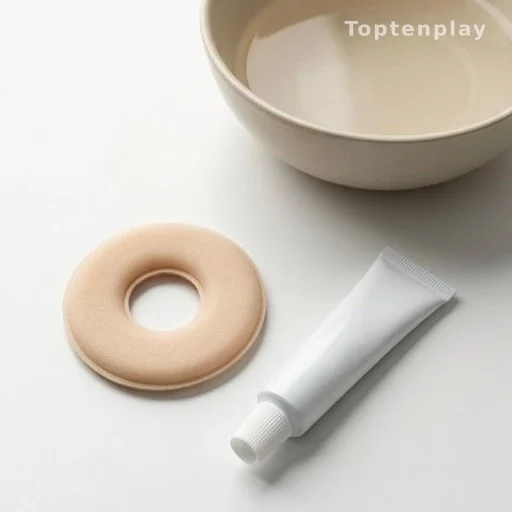
Pressure relief is just as important as any topical treatment. Placing a cushioned, donut-shaped adhesive pad with a hole in the center directly over the wart redistributes the load away from the painful spot while walking. Securing it with medical or athletic tape — snug but not tight enough to restrict circulation — keeps it in place during activity. Adding a gel insole inside the shoe provides an extra layer of cushioning.
If the pain is significant, children’s ibuprofen or acetaminophen can be given according to the child’s age and weight to manage both pain and inflammation. One thing to avoid entirely: cutting, scraping, or picking at the wart. Doing so risks bleeding, infection, and a sharp increase in pain — the opposite of the relief needed before a big event.
When home care is not enough: professional treatment and prevention
Certain symptoms mean a doctor should be seen without delay. If the child cannot put any weight on her foot, if the area shows signs of infection such as redness, swelling, warmth, or pus, or if the pain remains severe despite home care, medical attention is needed urgently. These signs could point to an infection or a different condition requiring prompt treatment.
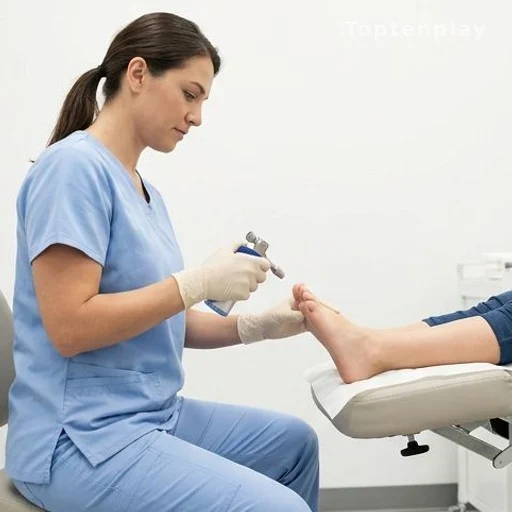
When a podiatrist or pediatrician does evaluate the wart, several effective options are available. Cryotherapy — freezing the wart with liquid nitrogen — is one of the most common clinical approaches. Laser treatment can target and remove wart tissue more precisely. Stronger prescription medications or minor in-office procedures are also on the table depending on the size and persistence of the wart.
Preventing future plantar warts comes down to a few consistent habits. Having the child wear flip-flops or water shoes in public pools, locker rooms, and shared showers significantly reduces exposure to HPV on wet surfaces. Keeping feet clean and dry, changing socks regularly, and covering any cuts or scrapes promptly all lower the risk. Regular checks of the soles for unusual spots allow problems to be caught early, before they become painful enough to cause a limp.