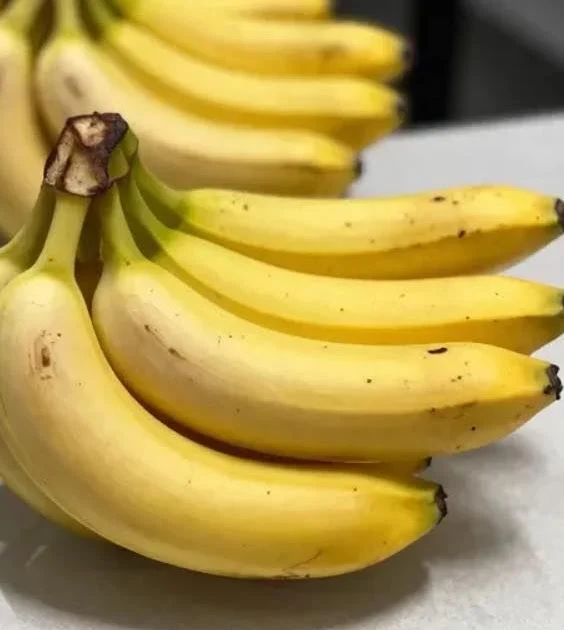
Bananas are among the most consumed fruits on the planet — affordable, portable, and packed with nutrients. Yet persistent myths continue to cast doubt on their place in a healthy diet. A closer look at the nutritional data tells a very different story.
En bref
- —Bananas: only 100–110 calories per fruit
- —Glycemic index well within safe range for most people
- —Fiber slows sugar absorption, preventing blood sugar spikes
Natural sugars, but 3–4g of fiber that changes everything
The most common objection to bananas is their sugar content. It is true that bananas contain natural sugars — glucose, fructose, and sucrose — but that figure cannot be read in isolation. Each banana also delivers 3 to 4 grams of dietary fiber, which slows the absorption of those sugars into the bloodstream and prevents the sharp spikes associated with processed sweet foods.
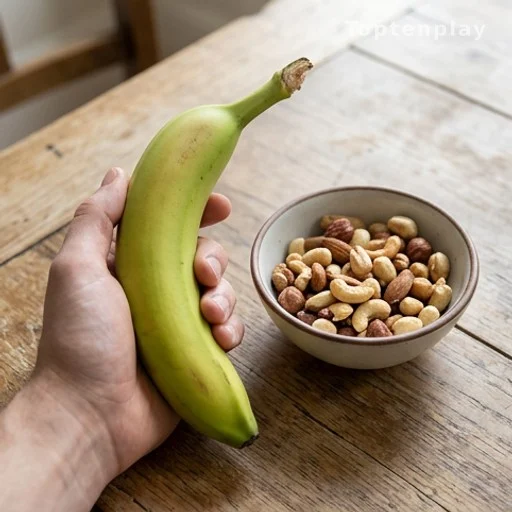
The glycemic index (GI) puts this into perspective. A green banana scores around 42, firmly in the low-GI category. Even a fully ripe banana sits at approximately 62, a medium rating well within the safe range for the vast majority of people. Candy and soda, by comparison, routinely exceed a GI of 70.
For people managing type 2 diabetes, bananas — particularly when eaten alongside a source of protein or healthy fat — can fit comfortably into a balanced nutrition plan. The sustained energy they provide stands in sharp contrast to the rapid crash that follows highly processed sugary snacks.
What is the glycemic index?
The glycemic index (GI) measures how quickly a food raises blood sugar on a scale from 0 to 100. Foods scoring below 55 are considered low-GI; those above 70 are high. Low-GI foods are generally recommended for sustained energy and blood sugar stability, and are a key reference point in nutrition guidance for people managing type 2 diabetes.
At 100–110 calories, a banana beats most packaged snacks
The idea that bananas cause weight gain does not hold up against basic calorie data. A single banana contains 100 to 110 calories — a fraction of what most processed snacks deliver. A typical granola bar, often marketed as a health food, can clock in at 300 calories or more, with significantly less nutritional value.

Making that simple swap — a banana instead of a packaged bar — cuts calorie intake by roughly two-thirds while simultaneously increasing fiber, potassium, and vitamin B6 intake. Studies consistently show that high-fiber diets support healthy weight management, partly because fiber promotes a feeling of fullness that reduces overall food consumption.
The fiber in a banana does not just slow sugar absorption; it also helps regulate appetite. Eating a banana as a mid-morning snack can meaningfully reduce how much a person eats at the next meal, making it a practical tool for anyone paying attention to their nutrition and weight management.
Suggested Posts

Green potatoes: the harmless color hiding a real toxin
That greenish tint on a potato skin is not just a cosmetic issue — it is a chemical signal worth understanding. The color itself…