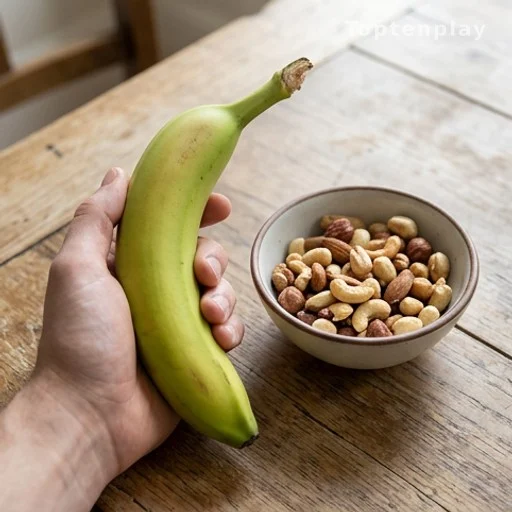
The glycemic index (GI) puts this into perspective. A green banana scores around 42, firmly in the low-GI category. Even a fully ripe banana sits at approximately 62, a medium rating well within the safe range for the vast majority of people. Candy and soda, by comparison, routinely exceed a GI of 70.
For people managing type 2 diabetes, bananas — particularly when eaten alongside a source of protein or healthy fat — can fit comfortably into a balanced nutrition plan. The sustained energy they provide stands in sharp contrast to the rapid crash that follows highly processed sugary snacks.
What is the glycemic index?
The glycemic index (GI) measures how quickly a food raises blood sugar on a scale from 0 to 100. Foods scoring below 55 are considered low-GI; those above 70 are high. Low-GI foods are generally recommended for sustained energy and blood sugar stability, and are a key reference point in nutrition guidance for people managing type 2 diabetes.
At 100–110 calories, a banana beats most packaged snacks
The idea that bananas cause weight gain does not hold up against basic calorie data. A single banana contains 100 to 110 calories — a fraction of what most processed snacks deliver. A typical granola bar, often marketed as a health food, can clock in at 300 calories or more, with significantly less nutritional value.

Making that simple swap — a banana instead of a packaged bar — cuts calorie intake by roughly two-thirds while simultaneously increasing fiber, potassium, and vitamin B6 intake. Studies consistently show that high-fiber diets support healthy weight management, partly because fiber promotes a feeling of fullness that reduces overall food consumption.
The fiber in a banana does not just slow sugar absorption; it also helps regulate appetite. Eating a banana as a mid-morning snack can meaningfully reduce how much a person eats at the next meal, making it a practical tool for anyone paying attention to their nutrition and weight management.
Why the "superfood" label misses the point on bananas
Berries frequently dominate conversations about superfoods, leaving bananas unfairly sidelined. The source material notes that the comparison is misleading — bananas offer a distinct and complementary nutritional profile rather than an inferior one.
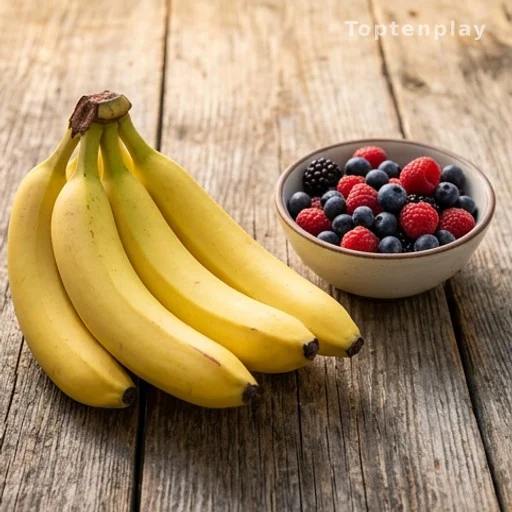
The fruit’s combination of natural sugars, fiber, and micronutrients makes it a genuinely functional food for everyday consumption. Its accessibility and low cost mean that, unlike many foods celebrated as superfoods, it is realistically available to a broad population — a factor that matters considerably in practical nutrition discussions.
Suggested Posts

A promise made at 17: four friends reunite 55 years later
In the summer of 1970, four teenagers made an unlikely promise on a wooden bench by a lake: they would return to the exact…