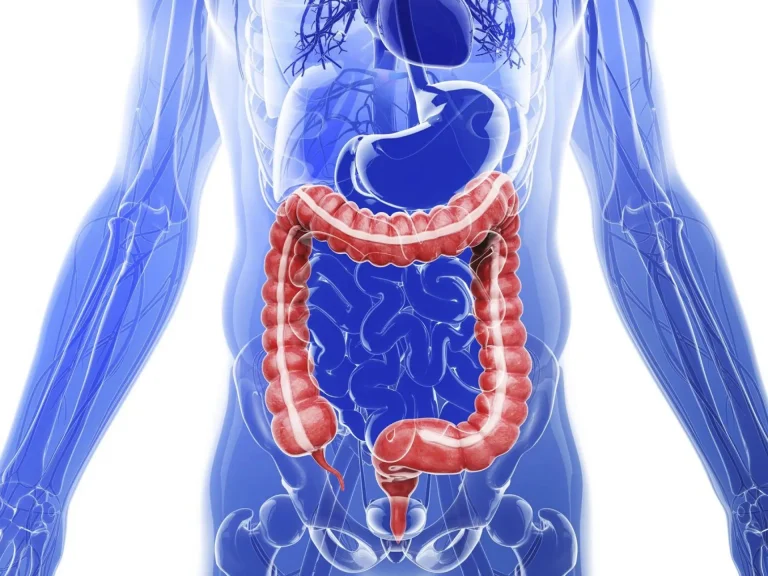
Passing gas is a normal part of digestion, but when it becomes excessive at night, it can disrupt sleep and point to something worth addressing. From what you eat for dinner to how your gut bacteria are functioning, several factors can drive nighttime flatulence. Here is what the science of digestion tells us — and what you can do about it.
En bref
- —Certain foods and late meals are the most common triggers
- —Lying down slows digestion and traps gas more easily
- —Persistent or painful gas may signal a digestive disorder
Beans, dairy, sweeteners: the foods most likely causing your nighttime gas
Diet is the most common driver of excessive nighttime flatulence. Foods that are high in fiber or contain hard-to-digest carbohydrates ferment in the gut, producing gas as a byproduct of that process.