Cashews in the Media Crosshairs: When Alarmist Headlines Replace Science
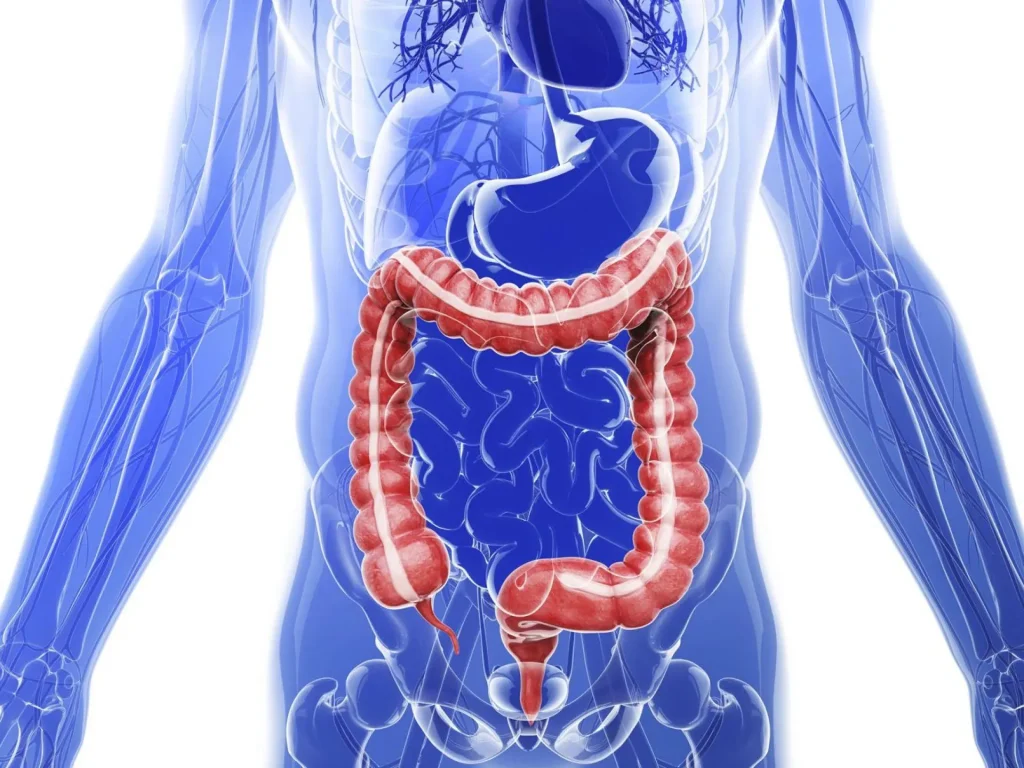
“Cashews cause kidney stones.” “Watch out for weight gain.” “Dangers for the heart.” These warnings circulate massively on the web, driven by headlines designed to spark concern long before informing. Behind this editorial mechanism, one observation stands out: food alarmism has become a fearsomely effective audience lever, independent of any scientific reality.
The process is well-oiled. A common food, an anxiety-inducing formulation, an effect verb — “causes,” “destroys,” “is dangerous” — and the click is almost guaranteed. Cashews, appreciated for their taste and culinary versatility, have not escaped this trend. They regularly crystallize what media specialists call health scares: those pseudo-health alerts that instrumentalize food to generate engagement.
The central problem is not the existence of nutritional nuances — every food has them — but the systematic distortion of these nuances into absolute threats. The most viral claims about cashews sound dramatic, sometimes even medically credible. Yet, when confronted with real data from nutritional research, their scientific solidity quickly crumbles. This is precisely where doctors and nutritionists step in to restore the facts — and their verdict deserves attention.
What Doctors Really Say: The Three Most Widespread Accusations Scrutinized
Since it is their “scientific solidity” that is at stake, these accusations must be examined one by one — with the rigor they never received in the headlines that propagate them.
First accusation: cashews make you fat. An apparently unstoppable argument, since these nuts have about 550 calories per 100 grams. But research severely nuances this equation. Several studies show that the fats in nuts — mostly unsaturated — promote satiety and reduce snacking. Consumed in reasonable quantities, they are not associated with significant weight gain in scientific literature.
Second accusation: kidney stones. The argument is based on the oxalate content of cashews. The problem: this risk concerns a minority of people genetically predisposed to calcium oxalate stones — not the general population. Generalizing this contraindication is like advising everyone against spinach.
Third accusation: cardiovascular dangers. This is perhaps the most counter-intuitive claim given the available data. Nutritional studies regularly associate nut consumption with a reduction in bad cholesterol and an improved lipid profile. The monounsaturated fatty acids they contain are among the recognized allies of heart health.
Three accusations, three scientific realities far more nuanced than alarmist headlines suggest — and a question that naturally arises: what exactly does nutritional research say about the real effects of regular consumption?
The Scientific Truth: What Nutritional Research Reveals About Cashews
Three accusations dismantled, the same conclusion emerges: the scientific picture is much more serene than the headlines suggest.
When examining nutritional literature without the prism of alarmism, cashews reveal a remarkably balanced profile. Rich in magnesium, zinc, and copper, they contribute to muscle function, immunity, and bone health. Their monounsaturated fatty acid content — similar to that of olive oil — makes them a food consistent with the recommendations of Mediterranean diets, which are praised by the international medical community.
On a metabolic level, several observational studies associate regular nut consumption with a reduced risk of type 2 diabetes and better blood sugar regulation. Mechanisms that alarmist headlines never mention — for lack of attracting enough attention.
The gap between public perception and scientific consensus is particularly striking here. When researchers examine the real effects of moderate daily consumption — generally a handful, or 28 to 30 grams — the results consistently point toward net benefits, not proven risks for the general population.
This gap between media fear and nutritional reality is not an anomaly: it is the product of a well-oiled mechanism that one can learn to guard against.
Decoding Food Alarmism: How to Consume Health Information Without Falling into the Trap
This gap between fear and reality follows a reproducible, identifiable — and therefore avoidable — logic.
False nutritional alerts all share the same characteristics: a biased headline targeting a single food, causality presented as certain when it remains correlative, and the total absence of quantitative context. “Eating cashews causes…” — the affirmative verb deliberately erases any nuance of dose, frequency, or individual profile.
Faced with this content, three reflexes are enough to restore perspective. First, identify the source: is it a study published in a peer-reviewed journal, or a simple statement relayed without reference? Second, check the context: do the described effects concern extreme consumption or a common diet? Third, cross-reference the data: a single article never defines the scientific consensus.
Applied to cashews, these reflexes immediately dispel fears. Nutritional literature — taken as a whole, not cherry-picked — depicts a food with documented benefits, without major contraindications for the general population within the framework of moderate consumption.
Nutritional literacy, like any learning, is acquired. Knowing how to distinguish a founded alert from a manufactured alarm means taking back control of your food choices — far from the media noise and as close as possible to the facts.