In every era, humanity has sought signs that life’s final chapter is approaching. Could one of our oldest senses quietly reveal the unseen—hinting at impending loss or future health risks through subtle olfactory signals? Science suggests that smell might hold astonishing secrets about death and well-being.

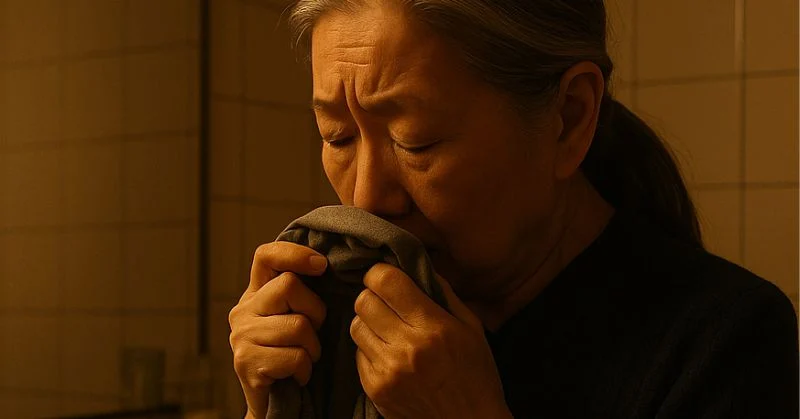
Death is a subject that has long stirred curiosity and unease. Across history, people have tried to comprehend and foresee life’s end. Remarkably, some scientific findings propose that our sense of smell may hold crucial clues to predicting death’s approach. Our nose seems capable of offering subtle warnings—both in sensing another’s impending death and in signaling our own declining health through loss of smell.
Smelling Death: A Sixth Sense?
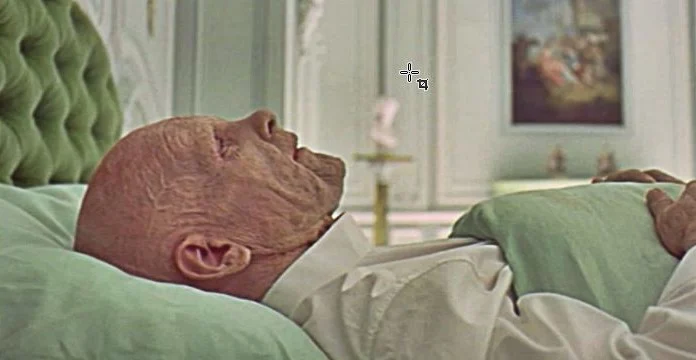
One fascinating feature of our olfactory system is its potential to detect death’s approach in others. Countless personal accounts describe individuals who perceived a distinct odor before a loved one’s passing. Such experiences suggest the presence of an enigmatic sixth sense closely tied to smell.
Several theories aim to explain this. One suggests that as death nears, the body emits specific chemicals or odors undetectable to most, but perceptible to those with especially sensitive noses. Another proposes that smell might connect to subtle emotional shifts, helping us sense an impending loss without consciously recognizing the odor. Rather than directly “smelling death,” our olfactory glands may quietly alert us to its nearness. (1)
Although scientific evidence remains limited, intriguing studies exist. Research from the University of Chicago showed that animals such as dogs and cats can perceive chemical changes in people with certain illnesses, including cancer. Similarly, humans with heightened olfactory senses might detect approaching death. There are even animals living in hospitals or long-term care homes known to predict patient deaths with uncanny accuracy. (2, 3)
Read More: Nearly 50% of Adult Cancer Deaths Could Be Avoided By Making These Simple Changes, Study Finds
Loss of Smell: A Predictor of Future Health
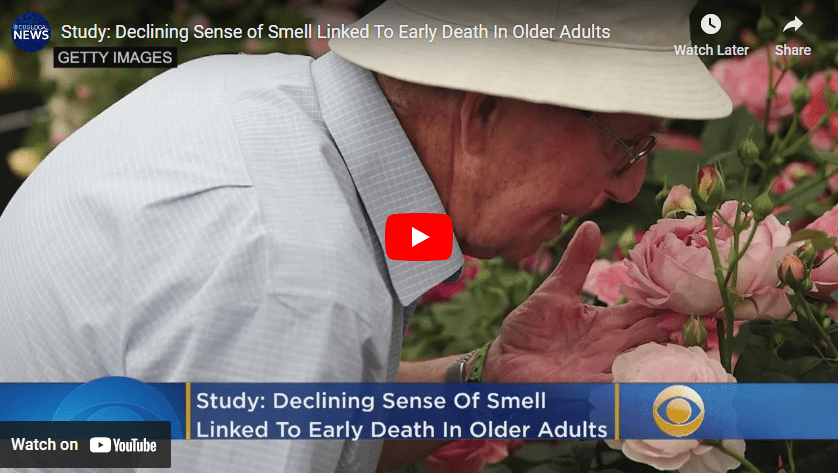 Credit: Youtube
In addition to detecting death in others, losing your own sense of smell can signal future health problems. Studies link olfactory decline to serious conditions, including neurodegenerative diseases like Parkinson’s and Alzheimer’s, as well as respiratory and cardiovascular issues. (4)
The olfactory system often weakens before other symptoms emerge, making smell loss an early warning for potential health risks. Identifying this change can help healthcare providers intervene sooner.
A study in the Journal of the American Geriatrics Society found that older adults with reduced smell were more likely to die within five years than those with normal olfactory function. This underscores smell loss as a vital health indicator and a potential tool for preventive care.
Read More: Cancer Deaths Are Declining, but Troubling Rise in Colon and Breast Cancer in Young Adults, Report Says
The Future of Smell-Based Predictions

As we deepen our knowledge of the human body, new connections between senses and systems emerge. Smell—often overshadowed by sight or hearing—could prove critical for predicting death and monitoring health. Researchers are studying pre-death chemical changes and the broader impact of olfactory loss on mortality. With better understanding, smell-based diagnostics could one day provide timely, life-saving alerts.
The Nose Knows?
The concept that “the body knows when death is near, starting with the nose” remains a compelling field of study. Detecting death through smell and using olfactory loss as a health predictor opens exciting possibilities for medicine and biology. By unlocking this sensory power, we might improve our understanding of life, death, and overall well-being.
Understanding End-of-Life Symptoms in Older Adults
Recognizing the indicators of life’s final stage allows caregivers and families to offer appropriate physical, emotional, and spiritual care. This knowledge reduces fear, fosters meaningful connections, and ensures comfort during a profound passage.
Familiarity with these signs can guide you through supporting a loved one with compassion and preparedness. Caring for someone at the end of life is demanding—emotionally and physically. Knowing what to expect can help you provide reassurance and dignity in these final moments.
End-of-Life Symptoms Timeline
Every journey is unique, and symptoms differ in sequence and intensity. Below is a general timeline to anticipate changes in the weeks, days, and hours before passing.
Weeks Before End of Life
In these weeks, withdrawal from daily routines may appear, marked by emotional and physical signals.
- Emotional Changes:
- A feeling of detachment or acceptance.
- Low mood, reduced motivation, and disinterest in activities or social events.
- Greater focus on childhood memories or past events.
- Physical Changes:
- Diminished appetite and less interest in food.
- Visible weight loss and frailty.
- Growing weakness and tiredness.
Provide gentle support and a peaceful atmosphere, avoiding pressure to eat or participate.
Days Before End of Life
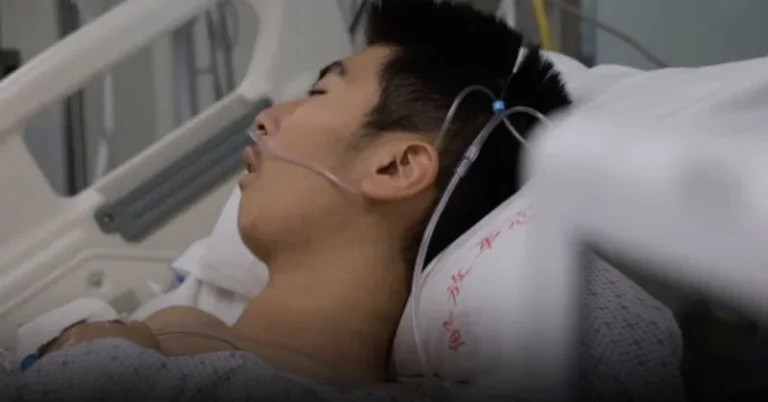
As death approaches, changes become more evident. The person may sleep more and respond less.
- Physical Signs:
- Longer sleep periods.
- Limited movement and response.
- Altered breathing patterns.
- Trouble swallowing or refusal of food and water.
- Reduced bowel or urinary output.
- Emotional and Cognitive Signs:
- Hallucinations or illusions.
- Confusion or disorientation.
- Restlessness or sudden energy bursts.
Speak kindly even if they seem unresponsive—hearing may persist until the end.
Hours Before End of Life
As the body shuts down, vital functions slow.
- Physical Signs:
- Uneven breathing or apnea episodes.
- Noisy “death rattle” breathing.
- Glassy eyes.
- Cold hands or feet, mottled skin.
- Faint or absent pulse.
- Emotional Signs:
- Brief moments of clarity.
- Delirium or unconsciousness.
Maintain a serene environment and offer gentle reassurance.
At the Moment of Death
When life ends, the body fully relaxes.
- Signs of Death:
- No breathing.
- No heartbeat or pulse.
- Dilated, unresponsive pupils.
- Pale, waxy skin.
- Occasional reflex movements or tears.
Take time to grieve, connect with loved ones, and begin necessary arrangements.