For context, the author who investigated this question is 73 and describes being «incredibly proactive» about her health, monitoring her circulation and making deliberate choices about diet as part of a broader effort around cancer prevention and organ health. Her conclusion, after reviewing the science, was straightforward: leave the green stuff behind.
The red roe: the safe alternative worth keeping
While the tomalley draws the health warnings, the lobster’s roe — the red or coral-colored eggs found in female lobsters — carries no equivalent concern. It is considered perfectly safe to eat and is prized in fine dining for its rich, briny flavor.

Knowing the difference between the two substances matters practically at the table. The roe is red to orange-red once cooked, firm in texture, and found in clusters. The tomalley is distinctly green, softer, and paste-like — the contrast is visible to the naked eye.
For anyone who loves lobster and wants to enjoy it safely, the guidance from health and food safety experts is consistent: savor the tail, the claws, and the roe if present — and leave the green organ untouched.
Health authorities have not issued a blanket ban on tomalley consumption, but advisories from environmental and food safety agencies — particularly during algal bloom seasons — have become more frequent in recent years. The key open question for seafood lovers is whether origin labeling and water-quality monitoring at fishing sites will ever be detailed enough to make individual consumption decisions more informed. In the meantime, anyone with concerns about heavy metal exposure or long-term organ health would do well to check the latest advisories from their national food safety authority before their next lobster dinner.
Suggested Posts
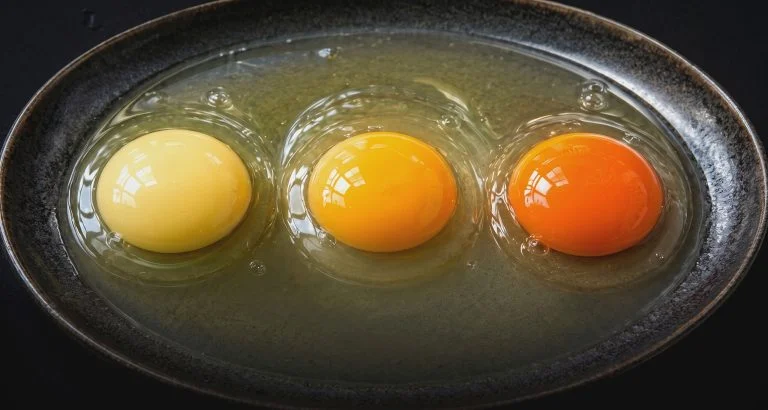
Egg yolk color doesn’t reveal what you think about your chicken
A deep orange egg yolk is widely taken as a sign of a healthier chicken and a more nutritious egg. That assumption is largely…