

Health authorities have not issued a blanket ban on tomalley consumption, but advisories from environmental and food safety agencies — particularly during algal bloom seasons — have become more frequent in recent years. The key open question for seafood lovers is whether origin labeling and water-quality monitoring at fishing sites will ever be detailed enough to make individual consumption decisions more informed. In the meantime, anyone with concerns about heavy metal exposure or long-term organ health would do well to check the latest advisories from their national food safety authority before their next lobster dinner.
Suggested Posts
Fresh, fast, and easy to read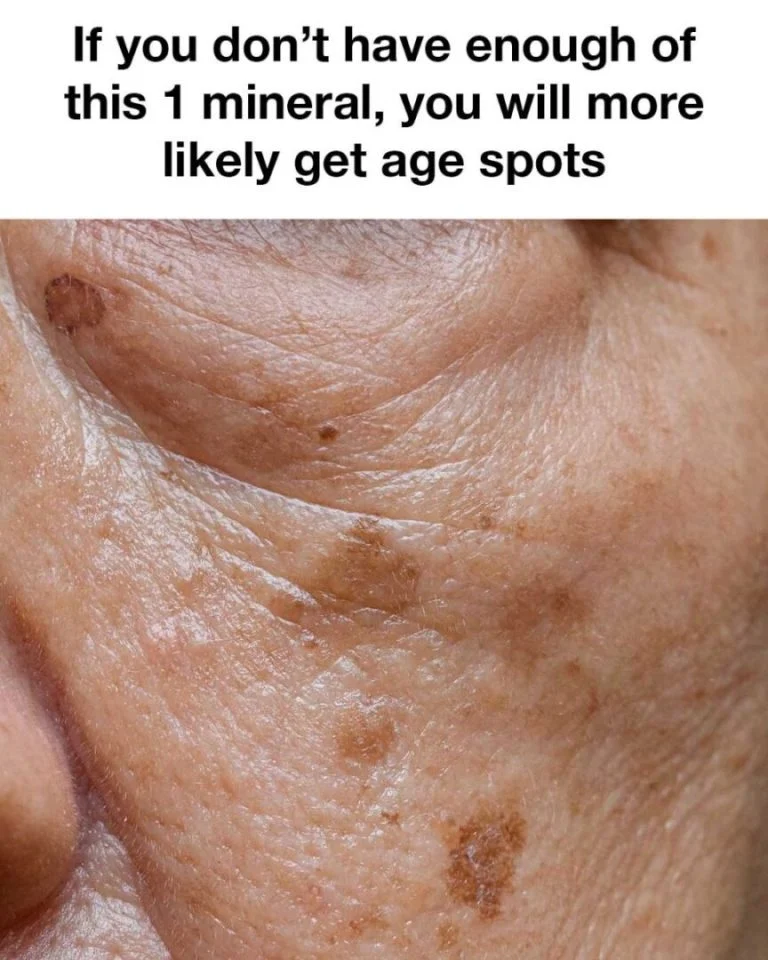
Today I Learned
The mineral deficiency that may trigger age spots
Age spots — the flat brown, gray, or black marks that appear on sun-exposed skin — may be more likely to develop when the…

Today I Learned
She ate eggs every meal for 5 months — her cholesterol result shocked her doctor
For decades, eggs were cast as a dietary villain, blamed for clogged arteries and rising cholesterol. But a case study that has gone viral…

Today I Learned
Why doctors say two eggs at breakfast can change your entire day
Eating two eggs in the morning can noticeably change how you feel, eat, and focus for the rest of the day — and doctors…

Today I Learned
Why eating eggs at night may actually help you sleep better
The headlines warning against eating eggs at night have been circulating widely — but the science points in a surprisingly different direction. Sleep specialists…