📌 Thai tuna salad: how mango and rice noodles transform this recipe into a fresh and balanced dish
Posted 22 January 2026 by: Admin
Rice Noodle Preparation: The Perfect Base
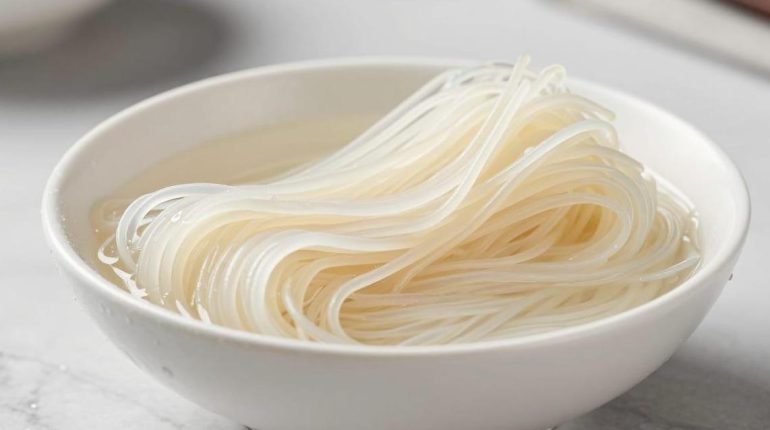
This Thai salad relies on a crucial technical foundation: the precise cooking of the rice noodles. Submerge them in boiling salted water for 4 to 5 minutes, scrupulously following the manufacturer’s instructions. The high temperature ensures even cooking that preserves their delicate structure.
The decisive step occurs immediately after draining: rinsing with cold water. This action instantly stops residual cooking and sets the desired al dente texture. Without this intervention, the noodles would continue to soften, compromising the textural balance of the cold salad.
This method guarantees perfectly firm noodles that will maintain their hold when mixed with the crunchy vegetables and sauce. They will absorb just enough Thai dressing without becoming mushy or sticky. Set them aside in a container while waiting for the final assembly, as you prepare the fresh elements that will bring color and vitality to the dish.
Working With Vegetables And Fruits: Freshness And Crunch
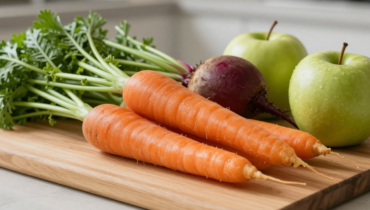
Once the noodles are ready, focus on the meticulous preparation of the vegetables that will give character and authenticity to this Asian salad. Peel the carrots before grating them finely. Thinly slice the red cabbage into delicate filaments that will provide their spectacular purple hue. Slice the radishes into translucent rounds and cut the spring onion into thin circular sections.
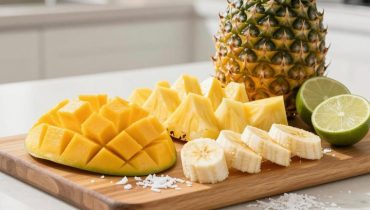
Mango is the signature element of this Thai composition. Cut its golden flesh into small, regular cubes that will diffuse their sweet mildness throughout the dish. This tropical fruit creates the fundamental contrast of Thai cuisine: the opposition between sweet and savory, between soft and crunchy that defines its taste identity.
Each vegetable contributes a distinct texture. Grated carrots offer fibrous resistance, red cabbage its structural firmness, and radishes their refreshing snap. Bean sprouts will add their juicy fragility during assembly. This textural diversity transforms a simple salad into a complete sensory experience.
The vegetable rainbow thus formed now awaits the sauce that will unify these disparate components into a coherent harmony.
Homemade Thai Sauce: The Soul Of The Dish
These colorful vegetables now await the element that will reveal their potential: the Thai sauce that will transform raw ingredients into an exotic composition. Combine all components in a bowl and mix until a homogeneous emulsion is obtained. This preparation concentrates the taste identity of the dish, merging acidity, sweetness, and characteristic umami notes.
The consistency determines the success of the final assembly. A sauce that is too thick will trap some ingredients without reaching others. Observe its fluidity: it must coat harmoniously without stagnating at the bottom of the container. If necessary, incorporate one or two tablespoons of water to obtain that texture that will coat each element without overwhelming it.
This aromatic emulsion acts as a culinary conductor. It will bind the fresh vegetable notes, the fruity sweetness of the mango, and the crunch of the varied textures into a coherent symphony. Set it aside at room temperature while you prepare the final assembly.
The cooled noodles, chopped vegetables, and balanced sauce now converge toward the decisive step that will unify these components into an authentic Thai culinary creation.
Assembly And Finishing: The Professional Touch
This aromatic emulsion now finds its destination in a large salad bowl where cooled noodles, grated carrots, red cabbage, bean sprouts, spring onions, radishes, and mango cubes converge. Pour the Thai sauce over this chromatic mosaic and mix gently to coat each element without crushing the fragile textures. The noodles gradually absorb the aromas while the vegetables retain their distinctive crunch.
Distribute this composition into individual bowls, preserving the visual balance of colors. Carefully drain the tuna before placing it on top rather than incorporating it into the mixture. This strategic arrangement maintains the integrity of the pieces and allows each guest to adjust according to their protein preferences.
The final garnishes transform this preparation into an authentically Thai sensory experience. Arrange a lime wedge whose acidity will activate the flavors at the moment of service. Sprinkle crushed peanuts that provide the signature crunch and characteristic roasted notes. Generously scatter fresh cilantro and mint leaves whose herbal aromas complete the taste score.
This cold salad concentrates the fundamental balance of Thai cuisine: vegetable freshness, fruity sweetness, marine protein, lemony acidity, and aromatic herbs converge in an immediately recognizable harmony.