📌 Thai red curry with shrimp: how lemongrass and galangal transform a simple coconut milk soup into an authentic aromatic dish
Posted 22 January 2026 by: Admin
The Origins Of A Thai Classic Revisited
Red coconut curry soup embodies the essence of Thai cuisine: a perfect balance between creamy sweetness and spicy heat. This iconic dish, born from Southeast Asian culinary traditions, relies on the iconic combination of velvety coconut milk and vibrant red curry paste, creating that characteristic smooth texture.
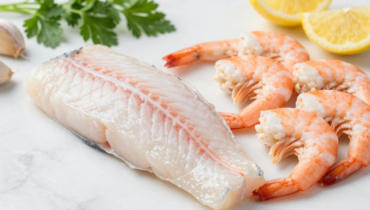
Shrimp naturally stands out as the protein of choice in this maritime preparation. Their tender and slightly sweet flesh absorbs the complex aromas of the broth while maintaining their melting texture, adding an iodine dimension that strengthens the depth of the dish.
This recipe promises a true symphony of flavors: each spoonful reveals successive notes that intertwine and respond to one another. The creaminess of the coconut milk envelops the palate before the heat of the curry gradually rises, while the aromatics diffuse their scents in the background. It is this harmonious layering of intensities and nuances that distinguishes Thai gastronomy.
Beyond the simple comfort of a warm soup, this dish instantly transports you to the floating markets of Bangkok and the family kitchens of Phuket. Its evocative power lies in the authenticity of the ingredients that make up its distinctive aromatic base.
The Aromatic Trinity At The Heart Of The Recipe
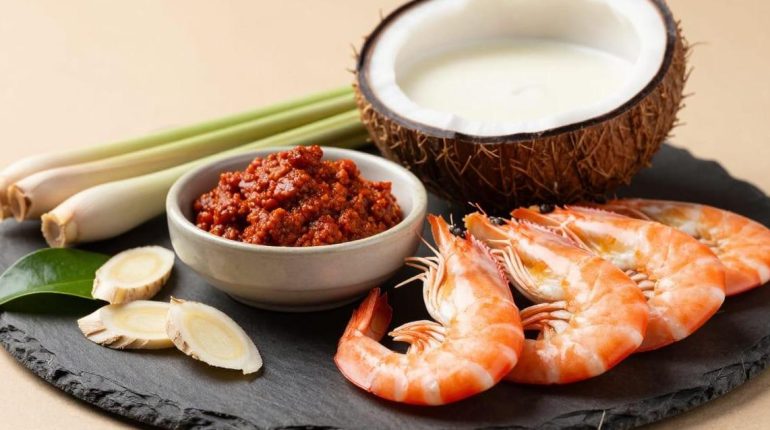
This distinctive aromatic base rests on three inseparable pillars: lemongrass, galangal, and kaffir lime leaves. These ingredients form the olfactory foundation that radically differentiates an authentic curry from a simple spicy coconut milk soup.
Lemongrass brings fresh and herbaceous citrus notes, creating a light first aromatic layer. Galangal, a root cousin of ginger, introduces a peppery complexity with subtler, more refined citrus nuances than its more common relative. Together, these two ingredients build the median aromatic structure of the broth.
Kaffir lime leaves complete this trio with their unique fragrance of intense, almost floral citrus. Their powerful and characteristic scent permeates the liquid with an instantly recognizable olfactory signature for anyone who has tasted true Thai cuisine. These shiny leaves, often torn to release their essential oils, diffuse their aroma throughout the cooking process.
Without this trinity, the soup would lose its Thai identity and become an ordinary curry preparation. These three components transform ordinary ingredients into a taste experience that transports you directly to Southeast Asia. Their presence guarantees authenticity, but their balance determines the success of the dish.
Taste Balance The Thai Way
This complex aromatic architecture is not enough: it requires a precise orchestration of fundamental flavors. Thai cuisine is based on a principle of harmony between four taste dimensions that must coexist without any one brutally dominating the others.
Fish sauce introduces the essential umami and salty depth. This fermented condiment, sometimes disconcerting for Western palates, brings that savory richness that anchors all other tastes. Sugar immediately counterbalances this salinity, creating that typically Thai sweet-salty contrast that first surprises, then fascinates. This duality forms the gustatory foundation of the broth.
Lime juice adds the refreshing acidity that lightens the creamy richness of the coconut milk. This final citrus touch brightens the palate, preventing heaviness and reviving the appetite with each spoonful. Red chilies, adjusted according to individual tolerance, complete this symphony with their progressive spicy heat.
This combination of the four fundamental flavors — salty, sweet, sour, spicy — constitutes the philosophical signature of Thai gastronomy. Unlike Western cuisines that often favor a dominant flavor, this recipe requires these four dimensions to be in constant dialogue. This play of contrasts transforms each bite into an evolving taste experience, never monotonous, always balanced.
The Vegetable And Herb Garnish
This balanced gustatory foundation now welcomes the visual and textural elements that transform the broth into a complete dish. Bell peppers, mushrooms, and baby corn bring a crunchy dimension that contrasts with the velvety texture of the coconut milk. These vegetables, cut into generous pieces, retain their firmness during the quick cooking and create textural surprises with each spoonful.
The color palette is also enriched: the bright red of the peppers dialogues with the pearly white of the mushrooms and the pale yellow of the miniature corn. This explosion of colors is not just about aesthetics — it also signals the nutritional diversity of the dish. Each vegetable contributes vitamins, minerals, and fiber, elevating this soup to the rank of a complete meal rather than a simple starter.
But the decisive moment occurs at the time of serving. Fresh cilantro and Thai basil, added at the last second, release their essential oils upon contact with the hot broth. These herbs must never be cooked — their role is to explode in the mouth with a vegetal freshness that awakens all other aromas. Finely sliced red chilies, arranged on the surface, complete the presentation while allowing everyone to visually adjust the level of spiciness.
This final herbaceous generosity signs the authenticity of the preparation and reveals that in Thai cuisine, the freshness of ingredients matters as much as their technical combination.