Suivez-nous
28 May 2026

Tahini: 10 little-known uses beyond hummus to enhance your savory and sweet dishes

Illustration image © TopTenPlay
Symbolbild © TopTenPlay

Publicité

Tahini Decoded: Origins and Unsuspected Virtues

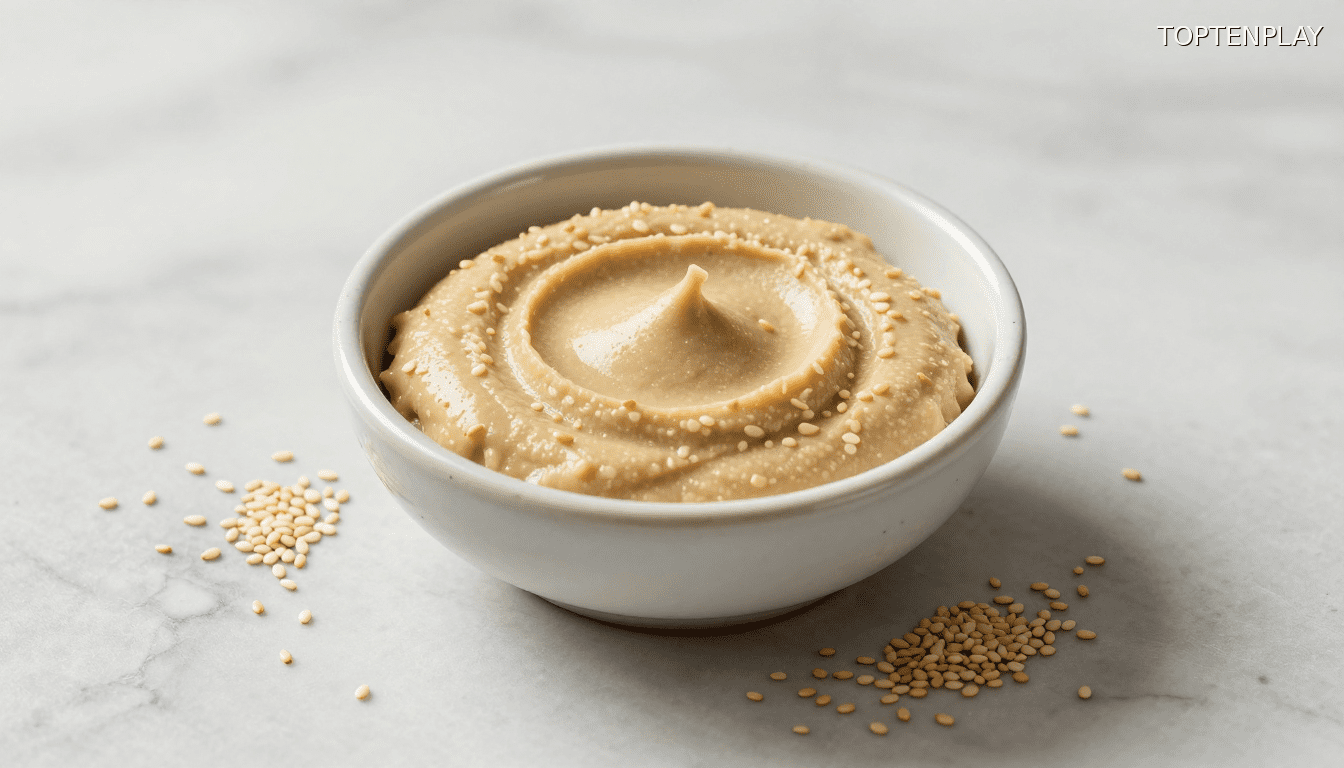
That jar of tahini relegated to the back of the cupboard after preparing hummus deserves better than such neglect. This puree of sesame seeds ground with a little oil, also called tahiné, tahina, tahin, or téhina, is much more than a simple Middle Eastern ingredient reserved for hummus and baba ganoush.

Behind its creamy texture lies a concentrate of nutritional benefits: a remarkable dose of calcium for bone health, vitamin E with antioxidant properties, unsaturated fatty acids beneficial for the cardiovascular system, not to mention essential plant proteins and iron. These nutrients make it a valuable ally for vegetarian and vegan diets.

The unsaturated fatty acids present in tahini, notably oleic acid, actively contribute to maintaining healthy cholesterol levels while reducing inflammation. Antioxidants and bioactive compounds protect cells against oxidative damage and strengthen the immune system. Iron promotes the production of red blood cells while calcium preserves bone strength.

Publicité

This exceptional nutritional richness transforms every spoonful of tahini into a health-conscious gesture, far beyond its traditional use in Mediterranean and Middle Eastern cuisine. It remains to be discovered how to fully exploit this culinary treasure in daily life.

Illustration image © TopTenPlay
Symbolbild © TopTenPlay

5 Express Transformations to Enhance Your Dishes

Converting tahini into various culinary preparations requires precise proportions and only a few minutes. First metamorphosis: the oriental vinaigrette. One tablespoon of tahini mixed with three tablespoons of olive oil, added with the juice of one lemon and a pressed garlic clove, salt and pepper, thinned with one to two tablespoons of water and then emulsified. Adding chopped parsley or cilantro enriches this sauce which enhances salads and raw vegetables.

For pasta lovers, two tablespoons of tahini mixed with one or two ladles of reserved cooking water create a creamy base that harmonizes perfectly with sautéed vegetables or bacon bits. This simple technique advantageously replaces industrial sauces.

Publicité

Tahini also reinvents savory baking. Two tablespoons incorporated into 200 grams of flour, a little water, salt, and pepper form a pie crust that doesn’t stick to the fingers and can be worked like a classic shortcrust pastry.

On the sweet side, a sophisticated glaze is born from the mixture of one tablespoon of tahini, two tablespoons of lemon or orange juice, and 40 grams of powdered sugar. Spread on a cake fresh out of the oven, it hardens while revealing its flavors.

Last revelation: flavored butter. One hundred grams of unsalted butter mixed with two tablespoons of tahini and a pinch of salt, formed into a log and refrigerated, transform steamed potatoes and fish in foil. Each preparation requires only one to two tablespoons, allowing you to quickly use up an opened jar while varying the pleasures.

Illustration image © TopTenPlay
Symbolbild © TopTenPlay

Publicité

From Savory to Sweet: Unsuspected Culinary Uses

Beyond oriental classics, tahini crosses traditional culinary borders with disconcerting ease. Roasted vegetables reveal their full potential when coated with a creamy sauce combining tahini, lemon juice, crushed garlic, and a drizzle of water. Carrots, squash, and cauliflower gain an unsuspected taste dimension under this preparation poured before baking.

Publicité
Partager sur Facebook