The Illusion Of Spectacular Progress
We are conditioned to believe that progress must be spectacular. New devices. New apps. Major transformations. This conviction pushes us to seek expensive solutions where simplicity would suffice. The novelty bias dictates our choices: we scroll through ads for revolutionary gadgets, invest in complex systems, hoping a miracle object will change everything. Yet, the most lasting improvements never come from an impulsive purchase.
The paradox is striking. We seek change in technology when it often resides in the obvious. The true tools for daily improvement do not shine on shelves. They have no attractive packaging or marketing campaign. Their discreet nature makes them invisible to those waiting for dramatic revelations.
This permanent quest for spectacular transformations distracts us from what actually works. A troubling fact emerges: the most effective solutions are already within our reach, ignored because they seem too simple. The secret is not hidden in technological innovation, but in our ability to recognize the power of what we already possess.
The real question is not “what should I buy?” but “what should I practice?”.

Practice Over Possession
The so-called secret tool is not for sale. It cannot be ordered, delivered, or installed. It is a practice, a discipline you develop without spending a cent. This revelation is unsettling: we have learned to solve problems by consuming, not by changing our habits. Yet, daily micro-actions generate lasting momentum where impulsive purchases fail.
Set a tiny goal every morning. Breathe intentionally for three seconds when pressure rises. These microscopic gestures improve concentration, reduce stress, and restore mental clarity. Their effectiveness rests on a simple principle: they require neither perfection nor routine upheaval. Unlike radical methods that collapse after a few days, these habits integrate naturally into your daily life.
The classic trap is waiting for the right moment, the right system, the right conditions. But moments of awareness require no preparation. You can start now, where you are, with what you have. Impact comes not from the intensity of effort, but from its consistency.
This pragmatic approach reveals a disturbing truth: most of our problems do not require new solutions. They simply require us to use what already exists differently.
The Hidden Potential Of Everyday Objects
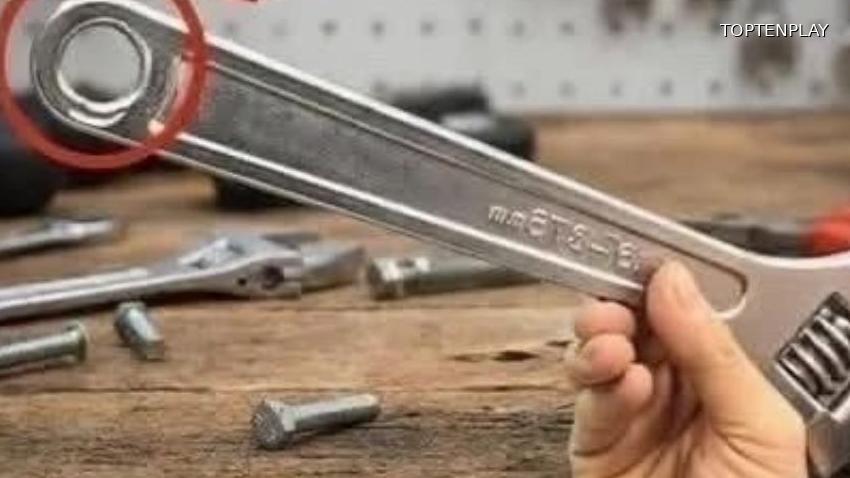
This logic of rediscovery also applies to physical objects. Your kitchen, your garage, your drawers are full of tools designed for a single function but capable of much more. A wooden spoon measures, mixes, crushes, doses. A clean tea towel replaces paper towels, protects hands, strains. We buy specialized gadgets when simple objects already accomplish these tasks if we understand their true potential.
The problem is not the lack of equipment. It is the ignorance of what we actually possess. A lid becomes a makeshift cutting board. A clothespin secures an open bag, organizes cables, marks a page. These solutions require no investment, just a different look at what is already lying around your home.
This approach counters the consumer economy: it values ingenuity over acquisition. It transforms surplus into resource, the forgotten into revelation. Often, the difference between a neglected tool and an indispensable one comes down to a single question: what else can it do?
But even this material creativity remains secondary to an even more elementary skill. A capacity so mundane that no one thinks to study it, yet capable of instantly transforming human relationships.

The Invisible Skill That Transforms Everything
This universal capacity cannot be bought, downloaded, or require any certified training. It works everywhere: in the office during a tense negotiation, at home when tensions rise, with a stranger in a queue. Yet, most people assume they master it without ever having truly practiced it consciously.
It is active listening. Not simply hearing words while waiting for your turn to speak, but giving total attention to the other person. Noticing what they are really saying, what they feel, what they seek without always formulating it. This elementary skill dissolves misunderstandings before they escalate, defuses conflicts by recognizing emotions, and creates an authentic connection where indifference reigned.
When a person feels truly listened to—without judgment, without interruption, without diversion back to the listener—something changes immediately. Defensiveness collapses. Trust emerges. Superficial conversations become meaningful exchanges. This transformation requires neither exceptional charisma nor innate emotional intelligence, just a conscious decision to silence your own internal monologue for a few minutes.
The secret that millions of people ignore lies in this disconcerting simplicity: the quality of your life depends less on what you possess than on your ability to be fully present. To objects, to habits, to people. This intentional presence constitutes the true universal tool, the one that amplifies the effect of all others.