The Fundamentals of a Successful Pot Roast
Pot roast transcends a simple recipe to become a complete sensory experience. As soon as the meat begins to simmer, rich aromas fill the kitchen, creating that gourmet anticipation unique to great comfort food classics. This dish embodies accessible culinary generosity, capable of transforming an ordinary Sunday into a memorable family moment.
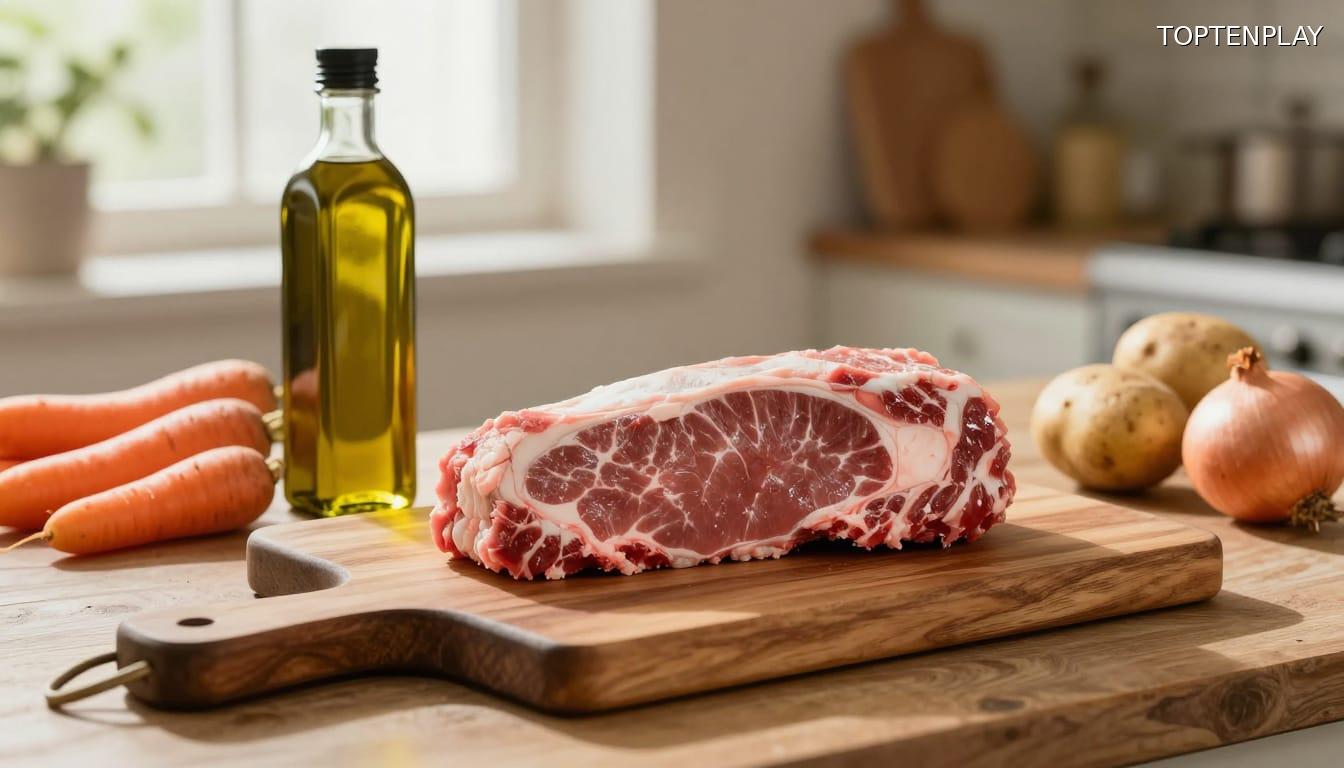
Success relies first on a strategic choice: the 3 to 4 pound chuck roast. This cut possesses natural marbling which, far from being a flaw, is the key to meltingly tender and flavorful meat after slow cooking. These internal veins of fat gradually dissolve, imbuing every fiber with aromatic richness.
Initial searing in olive oil is not optional. This step develops a caramelized crust that captures juices and intensifies base flavors. Generous seasoning with salt and pepper is sufficient at this stage, as simplicity serves excellence here.
Beyond its taste qualities, pot roast appeals through its economic versatility. With affordable ingredients, it generously feeds family tables and improvised dinners. This recipe adapts to personal preferences, accepting both the traditional root vegetable approach and bolder creative variations. The result remains invariably comforting, that rare quality that transforms a meal into a memory.
The Vegetable Trinity and Its Variations
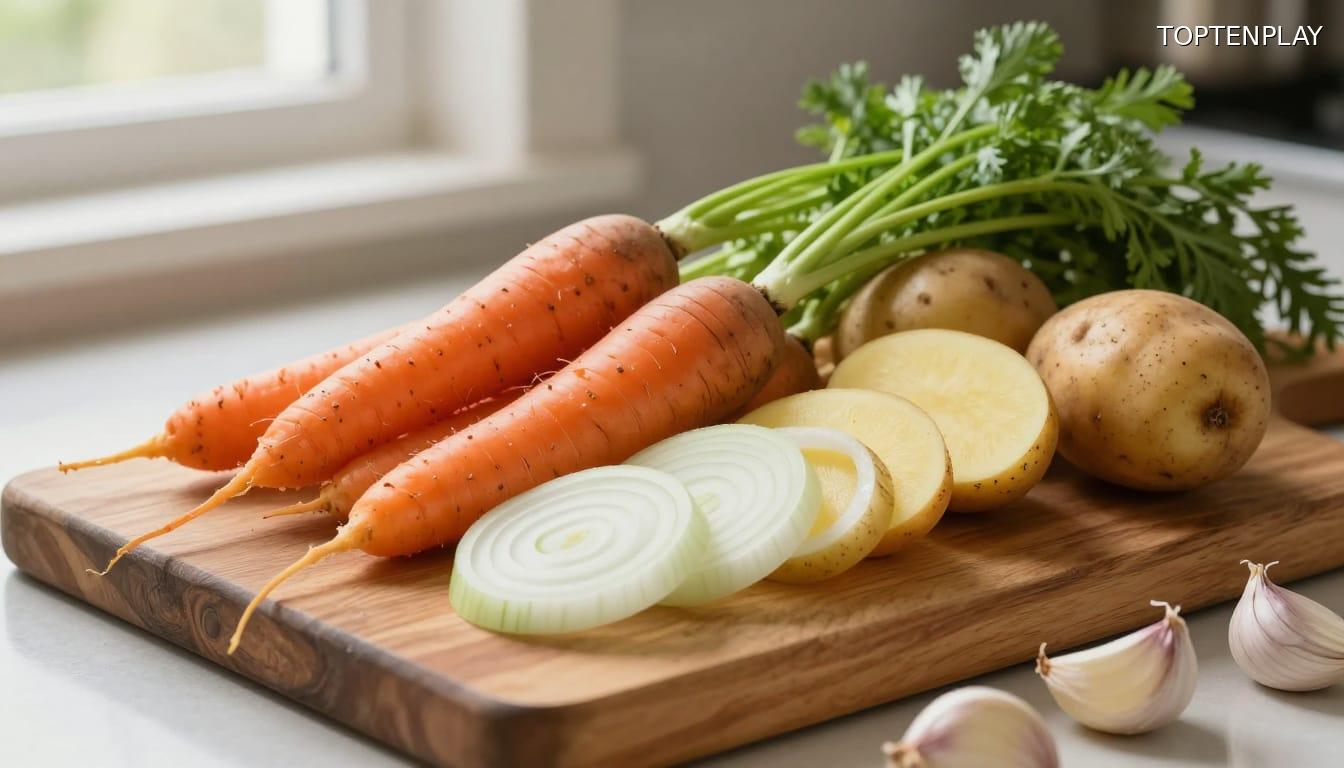
While meat is the heart of the pot roast, vegetables form its complementary soul. The classic trio consists of four medium carrots, three potatoes, and one large onion, each element bringing its distinct aromatic contribution. This selection is not arbitrary: it reflects centuries of culinary refinement where these ingredients demonstrate their ability to absorb and magnify the flavors of the cooking juices.
The cut determines the final experience. Carrots are cut into bite-sized pieces, releasing their natural sweetness while maintaining a slightly firm texture. Potatoes, regardless of the variety chosen, are cut into generous wedges that capture the broth without disintegrating. The onion, sliced into thick rings, slowly caramelizes to diffuse its sweet-savory depth throughout the dish.
The strategic addition of two to three minced garlic cloves subtly transforms the taste balance. This discreet but powerful aromatic creates an aromatic depth that unifies the vegetable and animal components. Its essence diffuses gradually, avoiding raw intensity while developing those characteristic warm notes.
This traditional base readily accepts personal variations: turnips, parsnips, or celeriac integrate naturally. The architecture of the pot roast tolerates experimentation, allowing everyone to adapt the recipe according to their preferences or available vegetables, while preserving the comforting essence of the dish.

The Alchemy of Sauce and Aromatics
Cooking liquid transcends its primary function to become the unifying element of the pot roast. Four cups of beef broth, whether homemade or commercially acquired, constitute the essential liquid foundation. This rich base transports and intensifies every aromatic nuance developed during prolonged cooking, creating that much-sought-after velvety sauce.
The secret to remarkable depth of flavor lies in a precise duo: two tablespoons of Worcestershire sauce bring that characteristic umami dimension, while a spoonful of tomato paste introduces a subtle acidity that balances the richness of the dish. This seemingly modest combination produces an aromatic complexity disproportionate to its simplicity.
The aromatic bouquet completes the taste construction. Bay leaves, sprigs of thyme, and rosemary – fresh or dried depending on availability – slowly infuse the liquid with their Mediterranean essences. These herbs never dominate; rather, they weave a discreet aromatic background that supports the whole without imposing itself.
Final thickening remains optional but transformative. A few spoonfuls of cornstarch or flour, incorporated at the end of cooking, convert the juices into a velvety sauce that generously coats meat and vegetables. This enriched texture amplifies the comforting sensation that defines the pot roast experience, setting the stage for a practical realization accessible to all.
The Infallible Step-by-Step Recipe
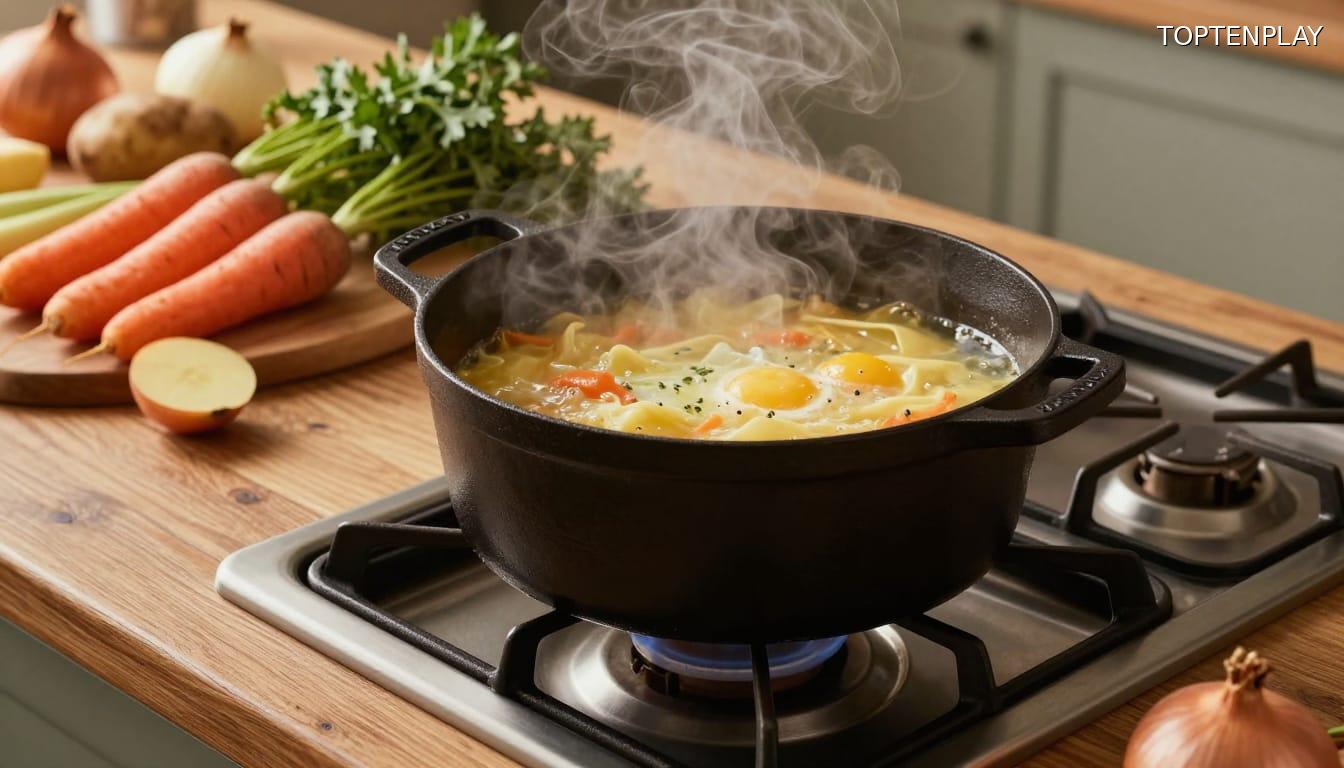
This orchestration of simple ingredients transforms into a memorable dish thanks to a progressive method accessible even to novice cooks. The technique relies on a logical sequence: sear the meat in heated olive oil to create a golden crust, add vegetables and aromatics, pour in the enriched broth, then let simmer gently until perfectly tender. Each step builds on the previous one without unnecessary complexity.
Patience becomes the invisible but determining ingredient. Slow cooking at a moderate temperature – typically three to four hours in the oven at 325°F or six to eight hours in a slow cooker – allows the collagen to gradually break down, transforming an initially firm piece of meat into fork-tender bites. This temporal alchemy tolerates no shortcuts.
The result transcends the sum of its basic components. A successful pot roast offers that comforting sensation that the source article aptly describes as “a hug on a plate” – a phrase that perfectly captures the sensory and emotional experience of the dish. This natural generosity adapts to large family tables as well as intimate evenings where warmth and comfort are sought.
Mastering this culinary classic requires neither sophisticated equipment nor esoteric techniques, simply respect for the indicated proportions and acceptance of the slow rhythm that characterizes this timeless preparation.