📌 Pasta-free lasagna: how sweet potato, squash, and carrots replace traditional sheets with a honey-cranberry glaze
Posted 27 March 2026 by: Admin
A Vegetarian Alternative That Reinvents Lasagna
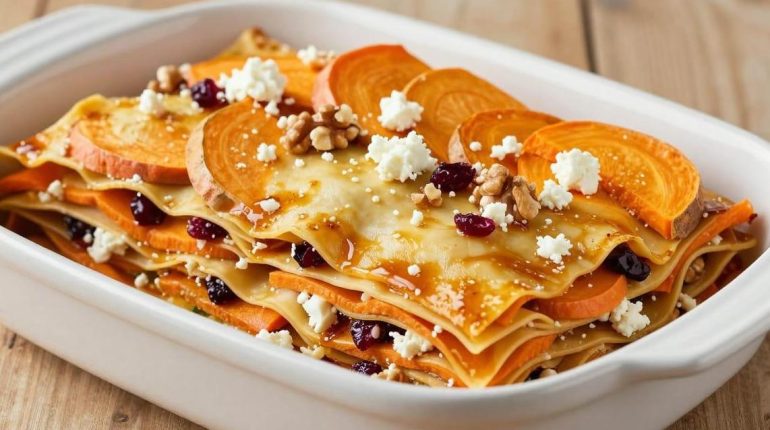
Forget traditional pasta sheets. This recipe disrupts the codes by completely removing the pasta in favor of three thinly sliced vegetables: sweet potato, butternut squash, and carrots. The result? A layered dish of 320 to 380 kilocalories per portion, where each colorful layer tells a different taste story.
The boldness lies in the improbable but masterful association: the naturally sweet softness of the tubers meets the frank salinity of 200 grams of crumbled feta, while 80 grams of crushed walnuts provide the necessary crunch. But the revolutionary element remains this honey-cranberry glaze poured before cooking, which caramelizes slightly and creates an unexpected sweet-sour harmony.
Visually, the dish impresses with its orange and golden layers revealed upon cutting. This plant-based architecture is not just aesthetic: it concentrates fiber, vitamins, and minerals in a format accessible to vegetarians and curious omnivores alike. Unlike classic lasagna, often heavy and rich in refined carbohydrates, this version relies on whole vegetables that retain their nutritional integrity.
Adaptable to all occasions, from Sunday family meals to sophisticated dinners with friends, this dish proves that a healthy recipe can rival traditional preparations without sacrificing taste pleasure or visual effect.
Ingredients And Preparation Secrets For A Perfect Result
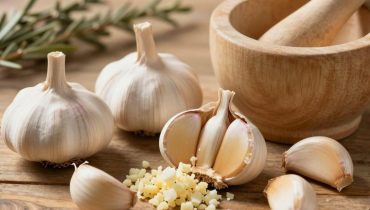
The success relies on precise proportions. For 4 to 6 guests, count 700 to 900 grams of sweet potatoes, 300 grams of butternut squash, and 250 grams of carrots. These quantities guarantee the visual and taste balance between the layers. The filling requires exactly 200 grams of crumbled feta, 80 grams of crushed walnuts, one finely chopped onion, and two sliced garlic cloves.
The signature glaze allows no approximation: three tablespoons of honey, two of cranberry sauce, one of balsamic vinegar, and a pinch of salt create this sweet-sour alliance that transforms the dish. Prepare it in a separate bowl before assembly.
The professional tip? The mandoline. This tool cuts vegetables into slices of rigorously identical thickness, a sine qua non condition for even cooking. Without it, thick pieces will remain raw while thin ones burn. Then coat each slice with olive oil, salt, and pepper in a bowl for optimal flavor absorption.
Regarding timing, block out 25 minutes of active preparation and 45 to 55 minutes in the oven. In a pan, sauté the onion until translucent before adding the garlic for one to two minutes. Mix off the heat with the feta and walnuts: this preliminary step develops the aromas and facilitates uniform distribution between the vegetable layers.
Layered Assembly And Mastered Cooking
The stratification follows an immutable logic. In a lightly oiled gratin dish, first arrange the sweet potato slices, then the feta-walnut-onion mixture, followed by the carrots, and finally the butternut squash. Repeat this cycle until the ingredients are exhausted, imperatively ending with a layer of vegetables. This structure guarantees that every bite contains all the flavors.
Then pour the entire honey-cranberry glaze over the surface. This step before cooking allows the liquid to seep between the layers during the thermal transformation, creating a progressive caramelization that bonds the layers together. Without this fusion, the dish falls apart when cut.
Cooking takes place in two phases at 180°C. Cover the dish tightly with aluminum foil for 30 minutes: the steam tenderizes the vegetables while preserving their moisture. Then remove the protection and continue for 15 to 25 minutes uncovered, until a light browning appears on the surface. This final exposure evaporates excess liquid and concentrates natural sugars without drying out the whole.
The fatal mistake is to serve immediately. Resting for 10 minutes out of the oven firms up the layers and stabilizes the structure. The juices redistribute uniformly, transforming a fragile assembly into clean slices that hold perfectly on the spatula.
Customization And Variations For All Diets
This structured base accepts all modifications dictated by dietary constraints or personal preferences. For a vegan version, simply replace the feta with a cashew-based plant cheese or crumbled tofu seasoned with herbs and nutritional yeast. The absence of dairy does not alter the taste balance: the crunch of the nuts and the caramelized sweetness of the vegetables more than compensate.
Athletes and fans of protein-rich meals can integrate cooked green lentils or chickpeas between the vegetable layers. This addition brings the protein intake from 10-12g to nearly 18-20g per portion, while maintaining the initial 320-380 kcal. The nutritional profile remains balanced: 35-40g of complex carbohydrates, 15-18g of healthy lipids from walnuts and olive oil.
For those seeking superior aromatic intensity, sprinkle sweet chili or smoked paprika between the layers, or scatter grated cheese on the surface during the last 10 minutes of cooking. This final gratin adds an irresistible golden crust.
The accompaniment modulates the experience. A tangy green salad lightens the whole, while wholemeal bread transforms the dish into a substantial meal. A Greek yogurt sauce mixed with fresh mint and lemon brings a freshness that contrasts with the sweet-savory richness, revealing a new dimension to every bite.