In November 2009, a family caving trip in Utah turned into one of the most harrowing rescue operations in American history. John Edward Jones became fatally trapped upside down in a narrow, unmapped passage inside Nutty Putty Cave. Never-before-seen footage has now resurfaced, bringing renewed attention to the tragedy and the extraordinary efforts of those who tried to save him.
En bref
- —John Edward Jones died trapped in Nutty Putty Cave in 2009
- —Rescuers worked nearly 27 hours to free him
- —The cave was permanently sealed after his death
A Routine Adventure That Turned Deadly
John Edward Jones entered Nutty Putty Cave in November 2009 alongside family and friends, expecting a routine exploration. The cave, located in Utah, was a known recreational site and the group had no reason to anticipate danger.
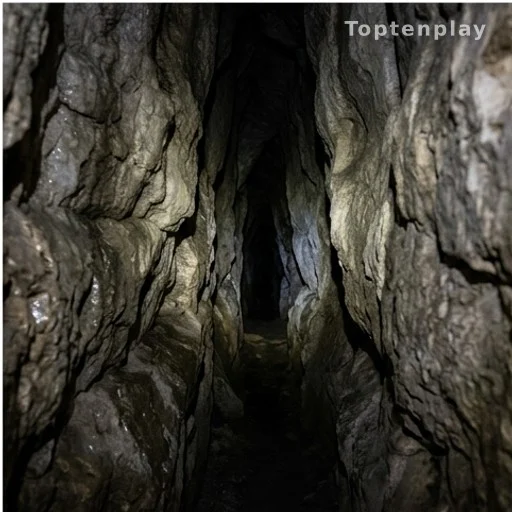
While navigating deep inside, Jones mistakenly crawled into a narrow, unmapped passage. The tunnel tightened rapidly around him, leaving him completely stuck — headfirst, with no room to turn around or back out.
His inverted position immediately placed severe physical strain on his body. As time passed, the pressure on his heart and lungs made breathing increasingly difficult, transforming a navigational error into a life-threatening emergency.
What Is Nutty Putty Cave?
Nutty Putty Cave is a hydrothermal cave located in Utah, United States, known for its extremely narrow and winding passages. It was a popular recreational destination before the 2009 tragedy. Following the death of John Edward Jones, the cave was permanently sealed by authorities and has remained closed ever since.
A Brother’s Desperate Attempt and the Call for Help
Jones’s brother was the first to react, physically attempting to pull him free from the passage. The effort failed — the space was simply too confined and Jones’s position too precarious for an unaided extraction.
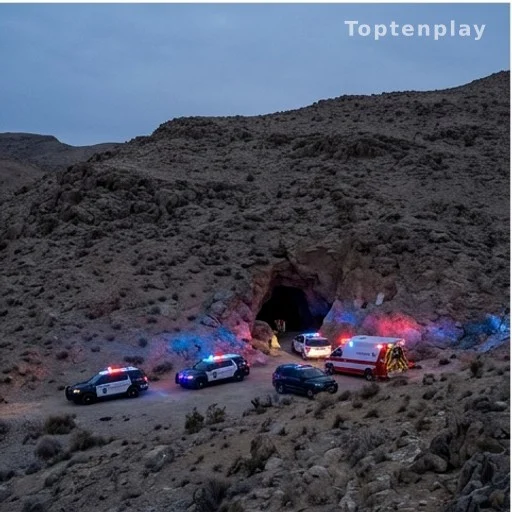
Recognizing the severity of the situation, his brother exited the cave and immediately called for emergency assistance. His decision triggered a large-scale rescue operation involving multiple teams of trained responders.
The alert set in motion one of the most complex cave rescue efforts the region had seen, drawing in specialists equipped with ropes, pulleys, and technical gear designed for confined-space emergencies.
27 Hours of Exhausting and Dangerous Work
Rescue teams worked for nearly 27 hours, navigating the cave’s tight and treacherous passages to reach Jones. Every movement required precision, as the confined environment left little margin for error.
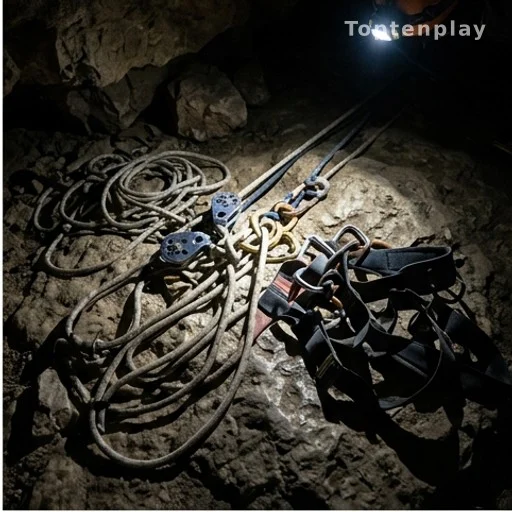
Among the strategies attempted was a pulley system designed to gradually extract Jones from the passage. At one point, rescuers believed the technique was working and that he might survive.
However, the pulley system ultimately failed. The malfunction caused Jones to slip deeper into the passage, making any further rescue attempt physically impossible and forcing teams to confront an unbearable reality.
His prolonged inverted position had placed extreme and sustained pressure on his cardiovascular system. The combination of physical trauma and the failed extraction left rescuers with no viable path forward.
A Cave Sealed Forever, a Tragedy Remembered
Rescuers ultimately made the devastating decision to halt operations in order to prevent further risk to their own lives. John Edward Jones died inside Nutty Putty Cave, never recovered.
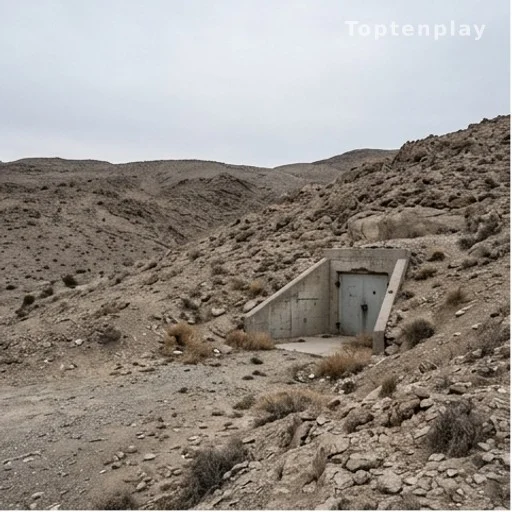
In the aftermath, authorities made the decision to permanently seal the cave. The site effectively became Jones’s tomb, a sobering monument to the unforgiving nature of extreme underground exploration.
The release of never-before-seen footage from the rescue operation has brought the story back into public consciousness, reminding viewers of both the courage of the rescue teams and the irreversible consequences of that November day.
The tragedy remains a stark warning about the dangers of venturing into unmapped cave systems, and a lasting tribute to the responders who risked everything in an ultimately impossible mission.
The story of John Edward Jones endures as one of the most tragic cave accidents on record. The release of new footage does not change the outcome, but it deepens public understanding of the extraordinary and ultimately futile efforts made by rescue teams. As the footage circulates once more, it serves as a powerful reminder of the physical limits of rescue operations in extreme environments — and of the permanent consequences that a single wrong turn can carry.