Japanese water therapy: a popular practice with serious scientific limits
Japanese water therapy has gained significant international attention in recent years. The practice involves drinking several glasses of room-temperature water on an empty stomach each morning, and its proponents claim it can address constipation, high blood pressure, type 2 diabetes, and even cancer. The therapy also discourages cold water, which is said to harden fats in the digestive tract and slow digestion.
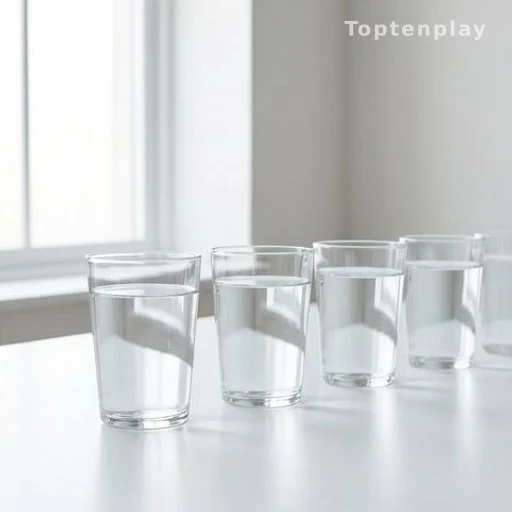
The source acknowledges that the practice may offer some practical benefits — improved digestion, more sustained energy levels, and a reduced risk of issues such as headaches and kidney stones. These outcomes are broadly consistent with the known benefits of staying well-hydrated.
However, the source is unequivocal on its limits: the effectiveness of Japanese water therapy in treating serious medical conditions like diabetes and cancer is not supported by scientific evidence. Risks also exist — excessive water intake can lead to water intoxication, and the rigid structure of the protocol may cause rebound hunger or weight gain. Anyone considering this practice is advised to consult a healthcare professional first.
The 8×8 rule and other hydration myths the kidneys already handle
Beyond morning rituals, a number of broader hydration myths shape how people think about their daily water intake. Among the most common: that morning water flushes toxins from the body. According to the source, the body’s natural detoxification processes are primarily managed by the kidneys and do not depend on the timing of water intake.
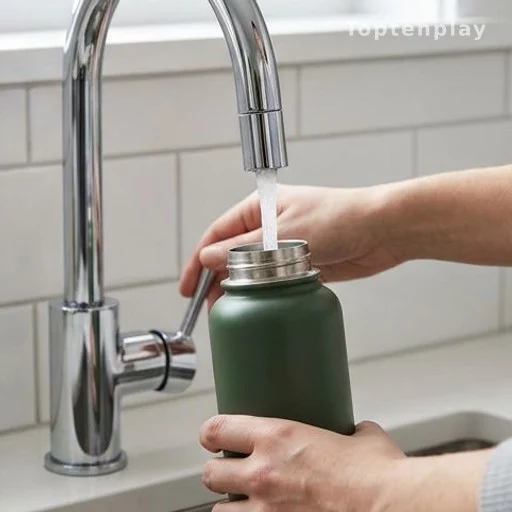
The widely cited "8×8 rule" — eight 8-ounce glasses of water per day — is described as a popular guideline, but the source notes that individual needs vary considerably based on age, gender, activity level, health conditions, and climate. A more personalized approach is recommended over any fixed formula.
Urine color, often used as a quick hydration check, is also flagged as unreliable: studies show it is not always an accurate measure of hydration status. The source’s overall conclusion is consistent throughout — staying adequately hydrated across the full day is what supports bodily functions and overall health, not any particular window of consumption.