Suivez-nous
1 June 2026

Lines on Your Nails: What They Really Say About Your Health

Those lines on your nails may be more than a cosmetic concern. Experts explain that nail texture changes — from ridges to horizontal grooves — can reflect everything from normal aging to nutritional gaps or underlying health conditions. Knowing the difference is key.

Publicité

En bref

  • Vertical ridges are common and usually harmless with age
  • Horizontal lines may signal illness or physical stress
  • Sudden or widespread changes warrant medical attention

Nails as a Window Into the Body

Nails grow from the matrix located beneath the cuticle, and their formation is directly influenced by what is happening inside the body. Because they develop slowly, they can act as a kind of timeline, recording periods of stress, illness, or nutritional change.

Nails as a Window Into the Body
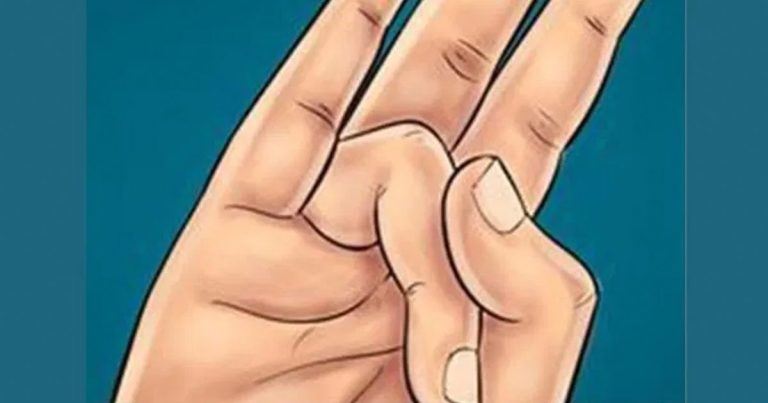
Illustration © Toptenplay

This is why experts encourage people to pay attention to shifts in nail texture, color, or thickness — not with alarm, but with awareness. A nail that looks different today may be reflecting something that happened weeks or even months ago.

Understanding nail changes starts with recognizing that not all variations are signs of disease. Context matters enormously when interpreting what the nails are showing.

Publicité

Why nails reflect your health

Nails grow from the matrix, a layer of tissue beneath the cuticle, at an average rate of about 3 millimeters per month. Because growth is slow and continuous, the nail plate can preserve a record of physical changes over time. This is why doctors have long used nail appearance as one of several indicators when assessing a patient’s overall condition.

Vertical Ridges: A Common Sign of Aging

Vertical ridges — lines running from the base of the nail to the tip — are the most frequently observed type of nail change. Experts describe them as a normal part of the aging process, caused by slower and less uniform cell production over time.

Vertical Ridges: A Common Sign of Aging
Illustration © Toptenplay

In the majority of cases, these ridges carry no medical significance. They tend to become more visible as a person gets older and are considered a natural variation rather than a warning sign.

However, if vertical ridges appear alongside other changes — such as discoloration, increased brittleness, or unusual thickness — they may point to contributing factors worth investigating. Nutritional deficiencies, including low levels of iron, zinc, protein, or certain vitamins, are known to affect nail texture.

Publicité

Skin conditions such as eczema can also disrupt normal nail growth patterns, producing irregularities that may resemble age-related ridging.

4
Four main factors can cause nail line changes: aging, nutritional deficiencies, illness or stress, and external damage such as injury or cosmetic treatments.

Beau’s Lines: When the Body Hits Pause

Beau’s lines are horizontal grooves that run across the nail. Unlike vertical ridges, they are less common and carry a more specific meaning: they mark a temporary interruption in nail growth.

Beau's Lines: When the Body Hits Pause
Illustration © Toptenplay

This interruption typically occurs when the body redirects its energy away from nail production during a period of physical stress — such as a serious illness, high fever, or significant emotional strain. The nail essentially pauses its growth, leaving a visible indentation.

As the nail continues to grow afterward, the line moves outward toward the tip. This means the position of a Beau’s line can actually indicate when the disruption took place, making it a useful marker for doctors trying to understand a patient’s recent health history.

Publicité

Experts note that these lines are worth monitoring. A single episode may be tied to a one-time illness, but multiple or recurring horizontal lines could suggest a pattern that deserves professional evaluation.

Publicité
Publicité
Partager sur Facebook